Seven years on: Boeing 777X Certification Delay Pushes Toward 2027


.webp)
SEATTLE — Boeing’s long-delayed 777X program appears to be facing another schedule slip, with U.S. certification now likely moving into 2027 rather than arriving this year.
The latest signal came from FAA Administrator Bryan Bedford, who suggested that the Boeing 777X would follow the 737 MAX 7 and MAX 10 certification work into 2027. Aviation Week reported that Bedford expects the MAX 7 to be certified this summer and the MAX 10 by year-end, with the 777X following after that.
How long is the latest delay?
The latest pushback is best understood as a certification delay of several months, not yet a formally announced new delivery delay beyond 2027.
Boeing had already updated its 777-9 certification timeline in October 2025 and said it now expected first delivery in 2027, taking a US$4.9 billion pre-tax charge on the program. That moved the aircraft from the previous 2026 delivery target into 2027.
What appears different now is that certification itself may not arrive until 2027. If certification slips into early 2027, Boeing may still be able to protect some 2027 delivery timing. If certification moves deeper into the year, airline entry-into-service plans could slide again.
That is the real risk: not simply another date change, but a compression of the entire handover, training, induction, and service-entry timeline.
Certification, not demand, is the problem
This is not a demand problem for Boeing. The 777X still has major long-haul customers, including Lufthansa (LH), Emirates (EK), Qatar Airways (QR), and Cathay Pacific (CX). The pressure is certification and execution.
Boeing has repeatedly said the latest delay is tied to the certification process rather than a newly discovered technical issue. AP reported after Boeing’s Q3 results that CEO Kelly Ortberg attributed the 2027 shift to certification delays, not new technical problems.
That distinction matters, but it does not make the delay harmless. Certification delay still affects Boeing cash flow, airline fleet planning, and widebody capacity strategies.
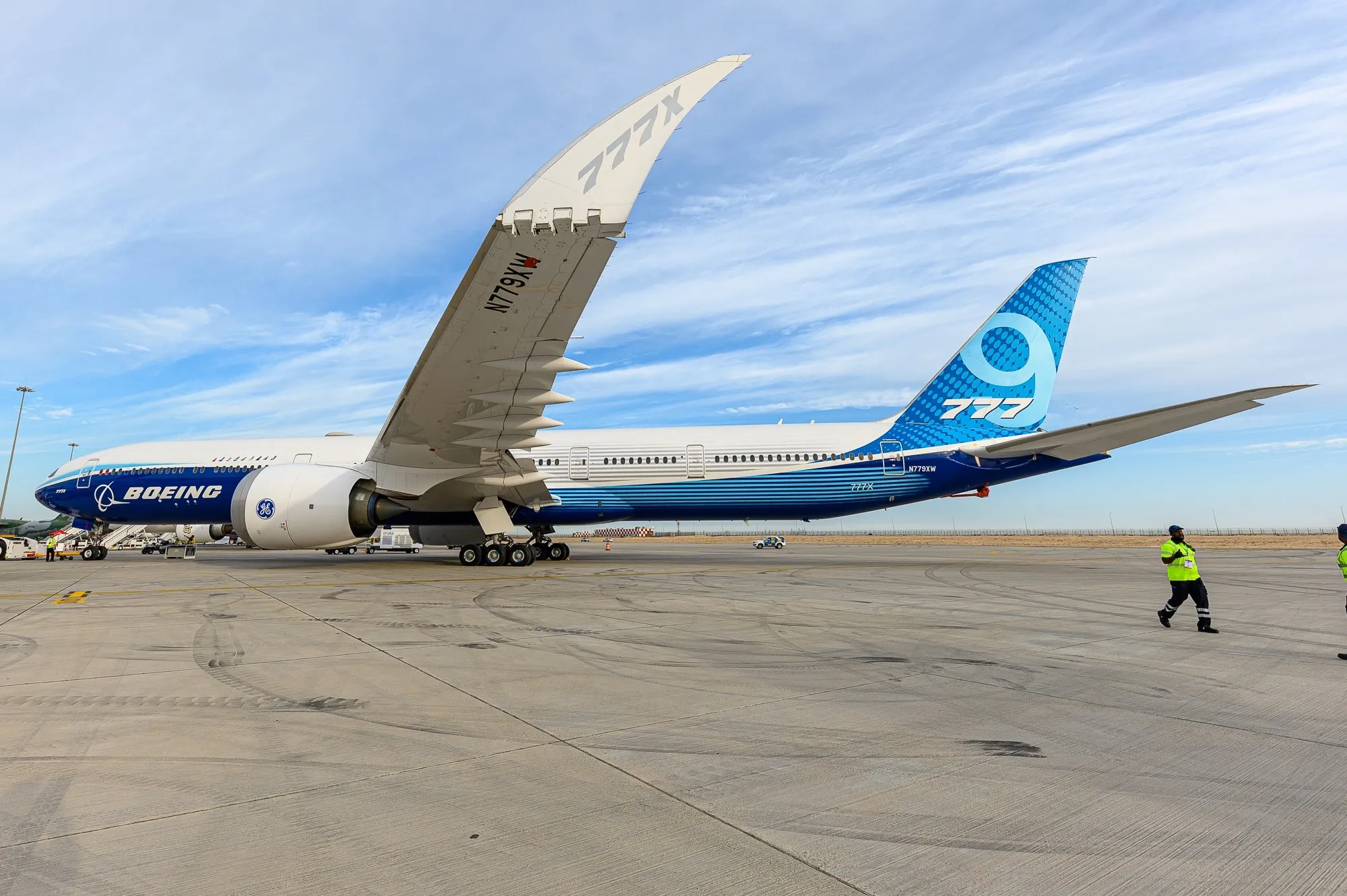
Seven years late from original target
The 777X was originally expected to enter service in 2020. A 2027 certification and delivery window would make the program roughly seven years late from its original service-entry target. Reuters previously reported that the move to early 2027 put the program about 14 years after its 2013 launch.
For airlines, that timeline has real consequences. Carriers waiting on the 777-9 have had to extend the lives of older 777-300ERs, Airbus A380s, Boeing 747-400s, or other long-haul aircraft, depending on the operator. That adds maintenance, fuel, and cabin-product pressure.
Current Boeing 777X order book
Bottom line
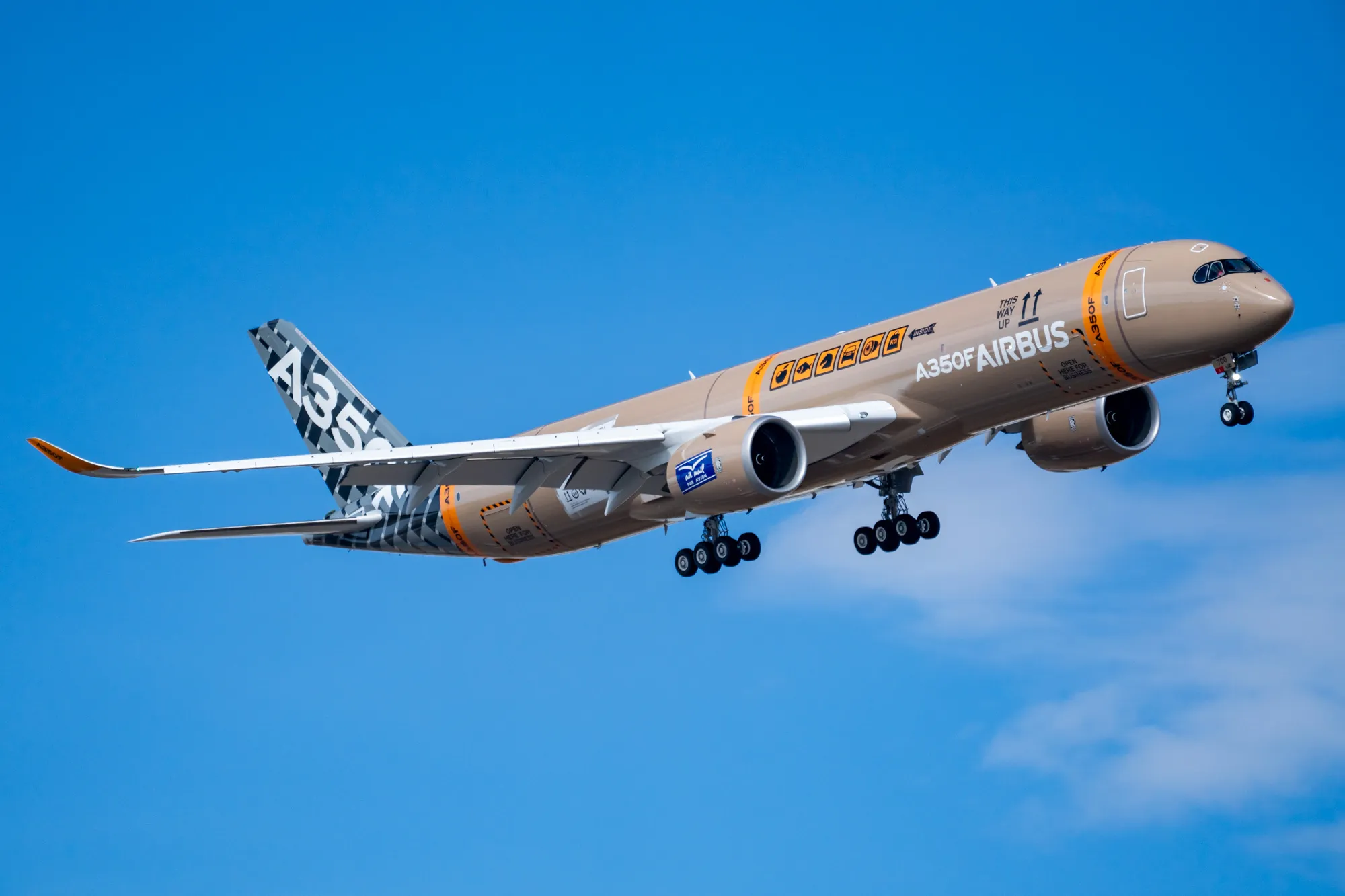
The 777X is Boeing’s most important new widebody program and a critical competitor to the Airbus A350 on high-capacity long-haul routes. Each delay gives Airbus more time to position the A350-1000 and future widebody campaigns as lower-risk fleet-renewal options.
For Boeing, the issue is bigger than one aircraft. The 777X delay tests whether the company can stabilize development, certification, and production after years of quality, regulatory, and financial pressure.
The latest pushback is not yet a clean “one more year” delay. But if certification does not arrive until 2027, Boeing’s already narrow path to first 777X deliveries next year becomes even tighter.
Featured image: Simone Chellini/Airways



.avif)