

.webp)
.webp)
.webp)
.webp)
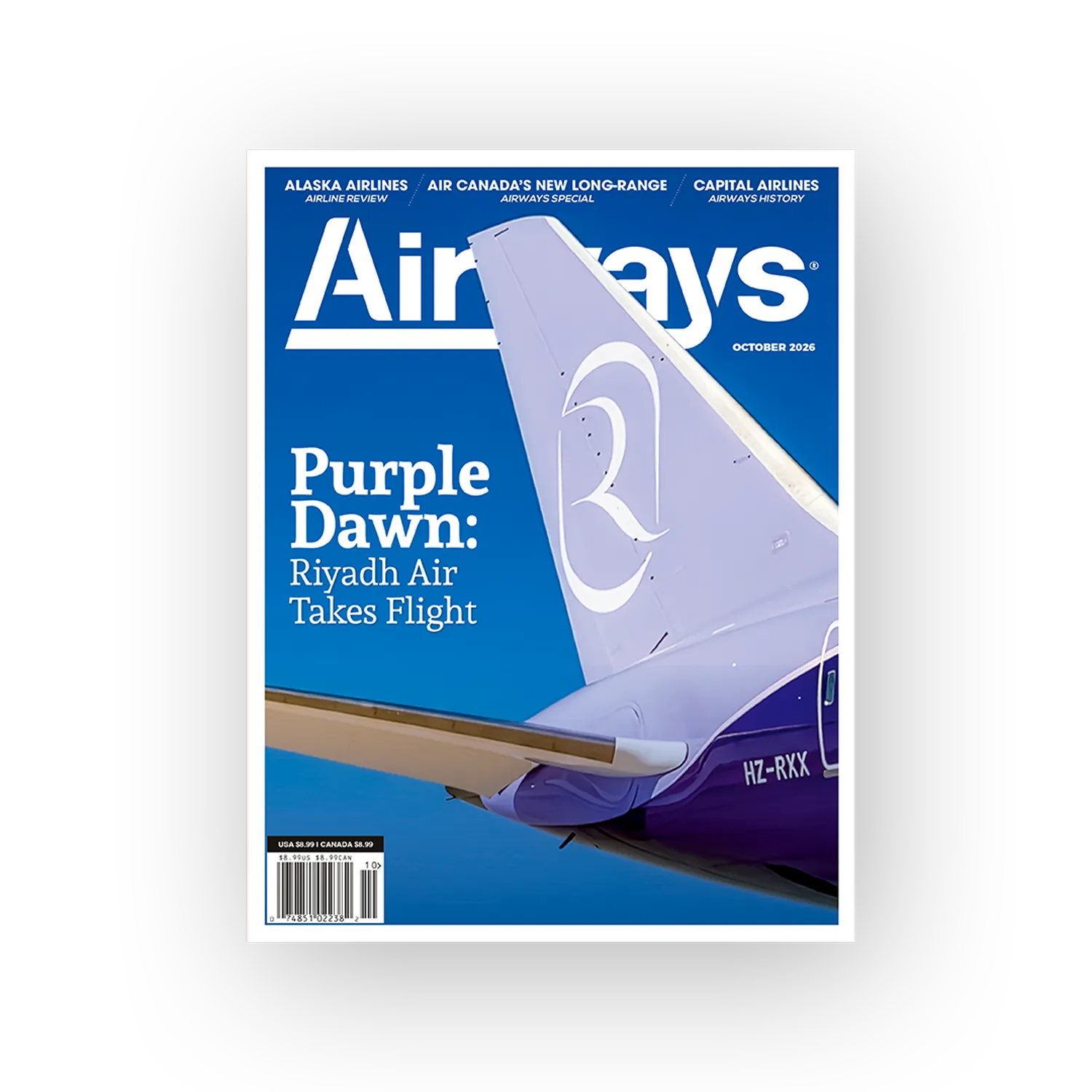
GURUGRAM, INDIA — Air India (AI) has appointed former Ethiopian Airlines Group chief Tewolde Gebremariam as its chief executive officer and managing director, selecting a veteran of one of aviation's most closely watched hub-growth strategies to lead the Indian flag carrier.
The airline announced Gebremariam's appointment on Wednesday.
Gebremariam succeeds Campbell Wilson, who announced his resignation in April. Air India said at the time that Wilson had informed Chairman N. Chandrasekaran in 2024 of his intention to step down in 2026 and would remain in the role until his successor was announced and in place.
The appointment places Gebremariam in charge of a transformation that has already combined four Tata-owned airlines into two, added aircraft, renewed technology and service systems, and begun replacing or refurbishing older cabins. The remaining task is to turn those investments into a more consistent operation and a financially sustainable global network.
From Ethiopian's Hub Strategy to Air India's Overhaul
Gebremariam led Ethiopian Airlines (ET) from January 2011 until March 2022. He had worked for the Ethiopian carrier since 1985, including in marketing and sales, as chief operating officer, and in overseas roles covering India, Saudi Arabia, and North America.
When Ethiopian named him CEO-designate in 2010, the airline said he had helped steer operations during a period of profitable growth. The carrier later said that during his time as CEO, annual turnover increased from US$1 billion to US$4.5 billion, its fleet grew from 33 to 130 aircraft, and annual passenger numbers rose from 3 million to 12 million before the COVID-19 pandemic.
Those figures come from Ethiopian Airlines and should be read as the former employer's account of his tenure. They nevertheless show why the appointment is strategically relevant for Air India: Gebremariam has already managed fleet expansion, connecting traffic, cargo, maintenance, training, and other aviation businesses within an airline group.
His earlier India assignment also gives him direct experience in the market, although it predates the country's current phase of rapid aviation growth. Ethiopian's 2010 appointment announcement said he had served in India during a career that also included commercial and operating leadership.
A Different Phase of Air India's Transformation
Wilson took charge in July 2022, months after Tata Sons regained control of Air India from the Indian government. His tenure covered the merger of Vistara into Air India and the combination of AirAsia India and Air India Express, leaving the group with one full-service carrier and one low-cost airline.
Air India said in April that the transformation under Wilson included 100 additional aircraft, modernized systems, new onboard products, and the near-completion of its legacy narrowbody cabin refit. It also acknowledged that supply-chain constraints had delayed new-aircraft deliveries and retrofit work.
Gebremariam therefore inherits a carrier whose organizational consolidation is largely complete but whose physical and financial transformation is not. Air India has described its commercial program as involving 600 new aircraft and 36 leased aircraft for near-term capacity.
The fleet program spans narrowbody and widebody aircraft, supporting domestic growth as well as longer international flying. That scale creates opportunities for a larger Delhi (DEL) connecting hub, but it also requires dependable schedules, crew planning, maintenance capacity, disruption recovery, and a consistent passenger product across new, leased, and refurbished aircraft.
What's Ahead for Gebremariam
The immediate milestone is the formal handover from Wilson to Gebremariam. Air India's announcement establishes the succession, while the timing of that handover is not stated here.
Once in office, Gebremariam will be measured against more than fleet growth. The airline's next phase will depend on whether it can improve operational consistency, complete delayed cabin renewals, integrate new aircraft, develop profitable connecting traffic, and narrow the financial drag associated with its transformation.
Singapore Airlines owns 25.1% of the enlarged Air India following the Vistara merger. Airways previously explained how the transaction converted Singapore Airlines' Vistara interest into a stake in Air India, making the carrier's performance relevant to both Tata Sons and its strategic airline shareholder.
Gebremariam's appointment answers who will lead that work. Air India's full announcement must still establish exactly when he assumes control and whether any conditions stand between the appointment and the handover.
Featured image: Nuno Seletti//Airways



.avif)