

.webp)
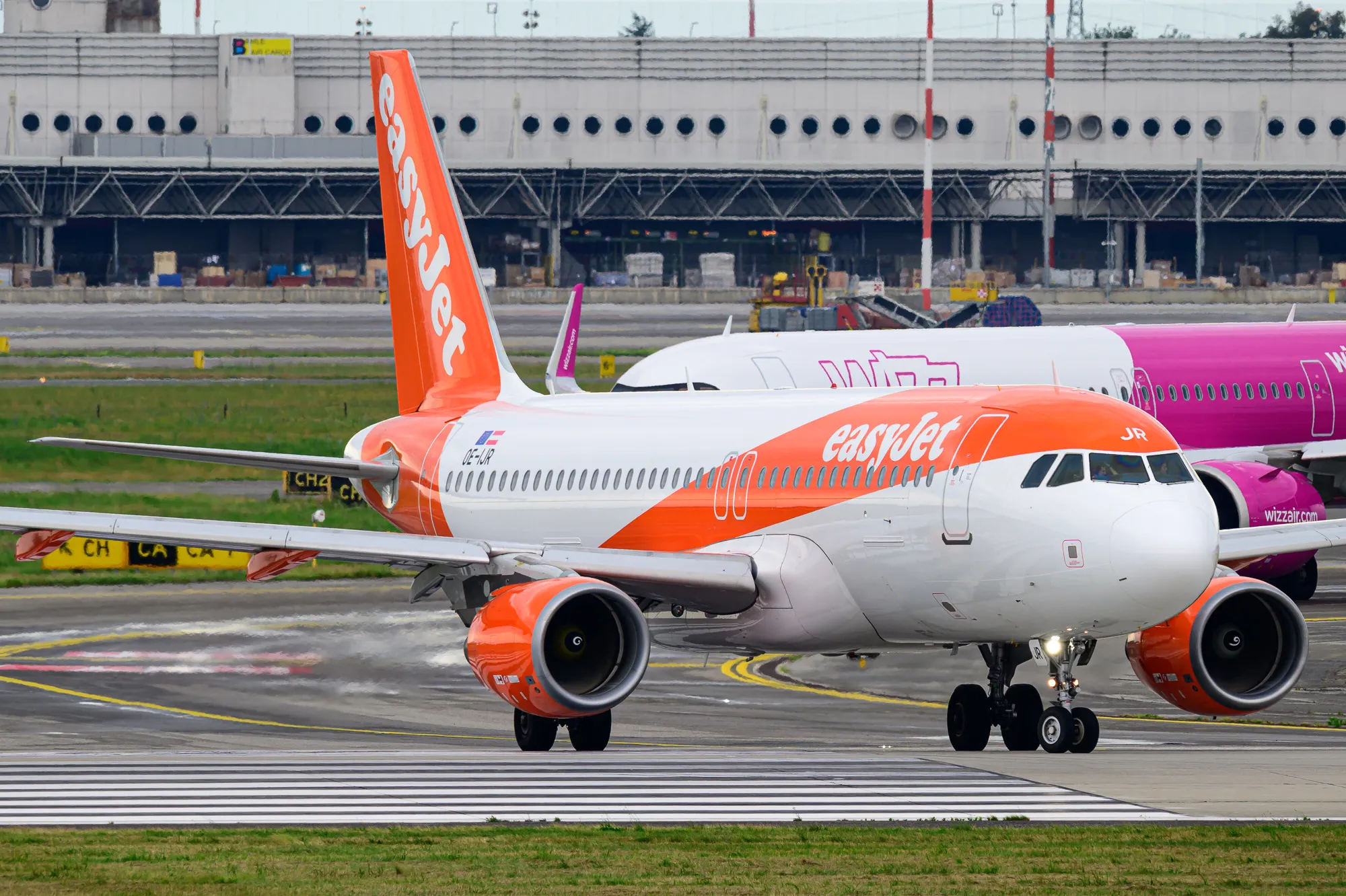



LONDON — easyJet plc (U2) has agreed to a £5.7 billion takeover by funds managed by Apollo Global Management after rival US investment firm Castlelake withdrew from the bidding for the British low-cost airline.
Apollo is offering £7.15 in cash for each easyJet share, equivalent to an equity valuation of about $7.7 billion at the exchange rate used in contemporaneous reporting. The airline's board unanimously recommends the transaction, according to easyJet's official hub for the firm offer and related documents.
Founder Stelios Haji-Ioannou and his family's associated holdings, representing approximately 15.3% of easyJet, have also agreed to support the transaction. Their backing removes a potentially significant shareholder obstacle, but the agreement is not a completed sale.
The proposed acquisition must still pass the shareholder and court process for a UK scheme of arrangement, receive required regulatory clearances, and satisfy its other conditions. Until the scheme becomes effective, easyJet remains publicly traded and Apollo has not taken control.
Apollo Converts Its Proposal Into a Firm Offer
Apollo's announcement changes the status of the transaction from a possible offer agreed in principle to a firm intention to proceed under Rule 2.7 of the UK Takeover Code.
The £7.15-per-share price represents an 81% premium to easyJet's £3.94 closing price on May 28, the last business day before the offer period began. The firm terms retain the price contained in the July agreement in principle between easyJet and Apollo.
The £5.7 billion figure values easyJet's fully diluted ordinary share capital. It is an equity value, not an enterprise value that would also reflect debt and cash.
Castlelake's withdrawal ended the immediate bidding contest. Its fifth and final possible proposal had offered £6.90 per share, 25 pence below Apollo's price, and never became a firm Rule 2.7 offer.
Apollo is also offering eligible shareholders a limited alternative to roll some of their holdings into unlisted equity rather than take cash. Those securities would not provide the liquidity or disclosure associated with easyJet's current London listing, and their detailed rights are set out in the offer documents.
Why Apollo Wants easyJet
Apollo says it intends to accelerate easyJet's existing commercial strategy rather than replace it. The investor has highlighted continued fleet modernization and upgauging, stronger ancillary and loyalty products, and further expansion of easyJet holidays.
Fleet upgauging can spread many trip costs across more seats when demand supports the extra capacity. It can lower unit costs, but it also increases the number of seats the airline must sell and requires capital for aircraft deliveries, financing, and supporting infrastructure.
The holidays business gives easyJet an earnings stream beyond the base airfare by combining flights with accommodation and other travel products. Ancillary and loyalty development likewise seeks to earn more from each customer without depending solely on ticket prices.
Apollo has not yet disclosed a binding post-completion plan for fleet spending, network changes, airport slots, or the amount of leverage easyJet would carry. Those questions matter because financing choices could affect how much capital remains available for aircraft, operations, and growth.
For passengers, the offer causes no immediate change to flights, fares, bookings, or baggage rules. Any longer-term effect will depend on decisions made only if the acquisition completes.
EU Ownership Rules Are the Central Regulatory Test
The transaction is more complex than the acquisition of a business without regulated traffic rights. easyJet operates through airlines holding operating permissions in the United Kingdom, the European Union, and Switzerland. Those permissions are subject to nationality-based ownership and effective-control requirements.
Under the disclosed proposal, the Apollo Funds would directly own no more than 49.9% of the acquisition structure. Retained qualifying European shareholders and an EU management trust are intended to preserve the European ownership and control needed for easyJet's EU traffic rights.
That structure addresses the numerical ownership threshold, but regulators must also be satisfied about effective control. Their review can look beyond share percentages to governance, voting rights, board influence, financing arrangements, and who can determine the airline's strategic decisions.
The distinction is important: Apollo could have substantial economic exposure and influence without being permitted to exercise control in a way that breaches airline-ownership rules. The proposed trust and governance arrangements therefore sit at the center of the transaction's execution risk.
easyJet already operates a multi-airline structure designed to protect market access after Brexit. The takeover must preserve the licences and rights supporting that network; a financial agreement between the buyer, board, and shareholders cannot override aviation law.
The Road Ahead
easyJet and Apollo must issue the scheme document detailing the transaction timetable, conditions, shareholder meetings, and voting process. The firm-offer announcement did not settle those milestones.
The acquisition will also require regulatory review of ownership and control, along with the other clearances specified in the transaction documents. Regulators could accept the proposed structure, require changes, delay the timetable, or prevent completion if the conditions for easyJet's operating rights are not met.
If shareholders approve the scheme, the court sanctions it, regulators grant the required clearances, and all remaining conditions are satisfied, easyJet would leave the public market and become privately held. Until then, Apollo's offer is recommended and firm, but conditional.
What remains unresolved is what private ownership would mean operationally. Apollo has endorsed easyJet's current direction, but the firm-offer announcement does not settle future fleet investment, acquisition leverage, network priorities, slot strategy, or the balance between airline growth and easyJet holidays.
Featured image: Lorenzo Giacobbo/Airways




.webp)