

.webp)
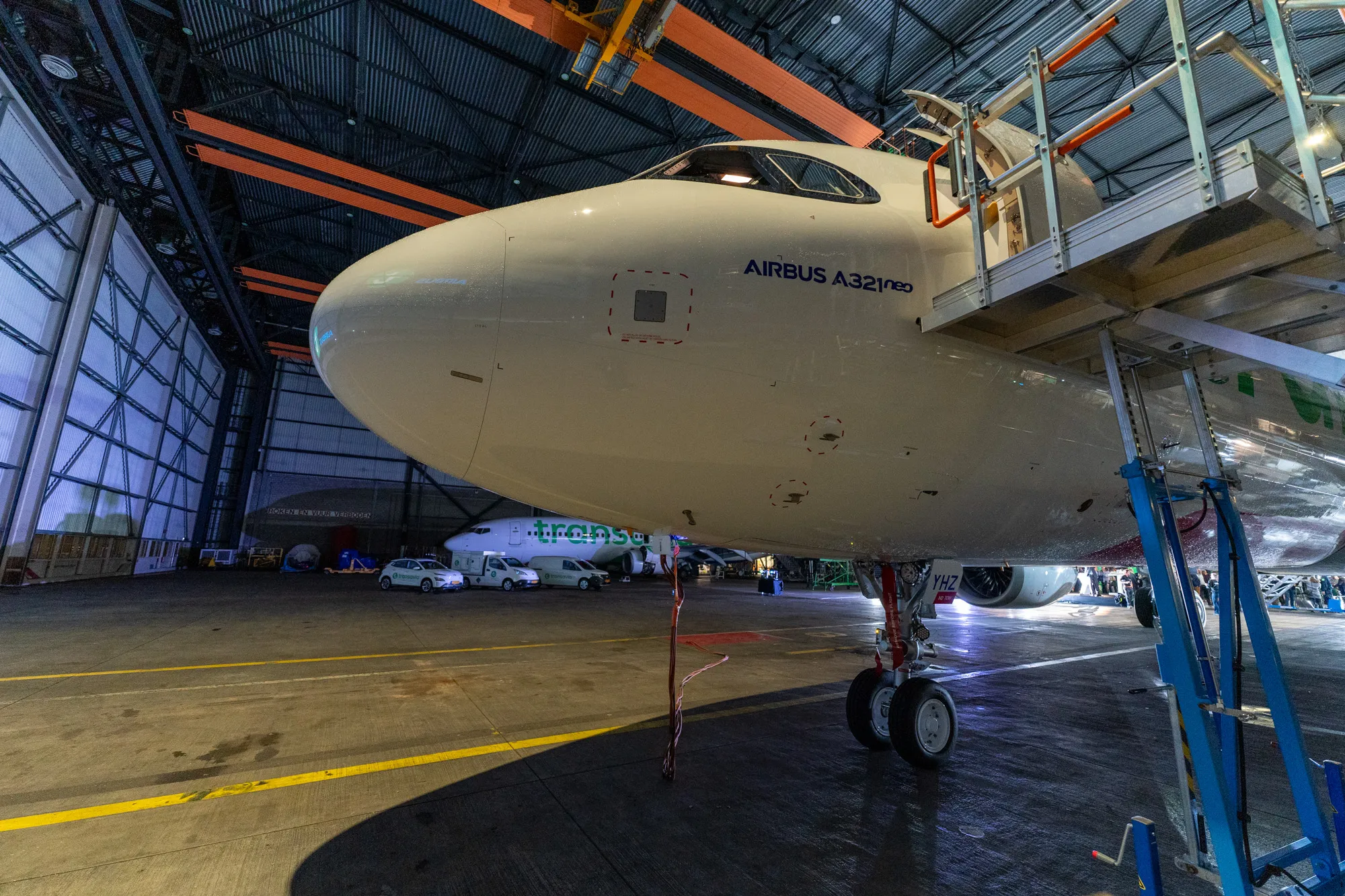
FARNBOROUGH – Pratt & Whitney President Rick Deurloo arrived at the 2026 Farnborough Airshow to reset the narrative around the GTF. After years of powder-metal fallout and a bruising global AOG cycle, he sketched a program now entering a decisive proving two-year window in which durability, shop-visit cadence and operator confidence must visibly turn.
Here are five themes that emerged from the press conference on the show’s second trading day, which altogether illustrate how Pratt & Whitney is working to move the GTF discussion beyond remediation and toward a more stable, predictable operating future.
1. The GTF Advantage cutover is the real inflection point, and it is happening faster than the AOG headlines suggest
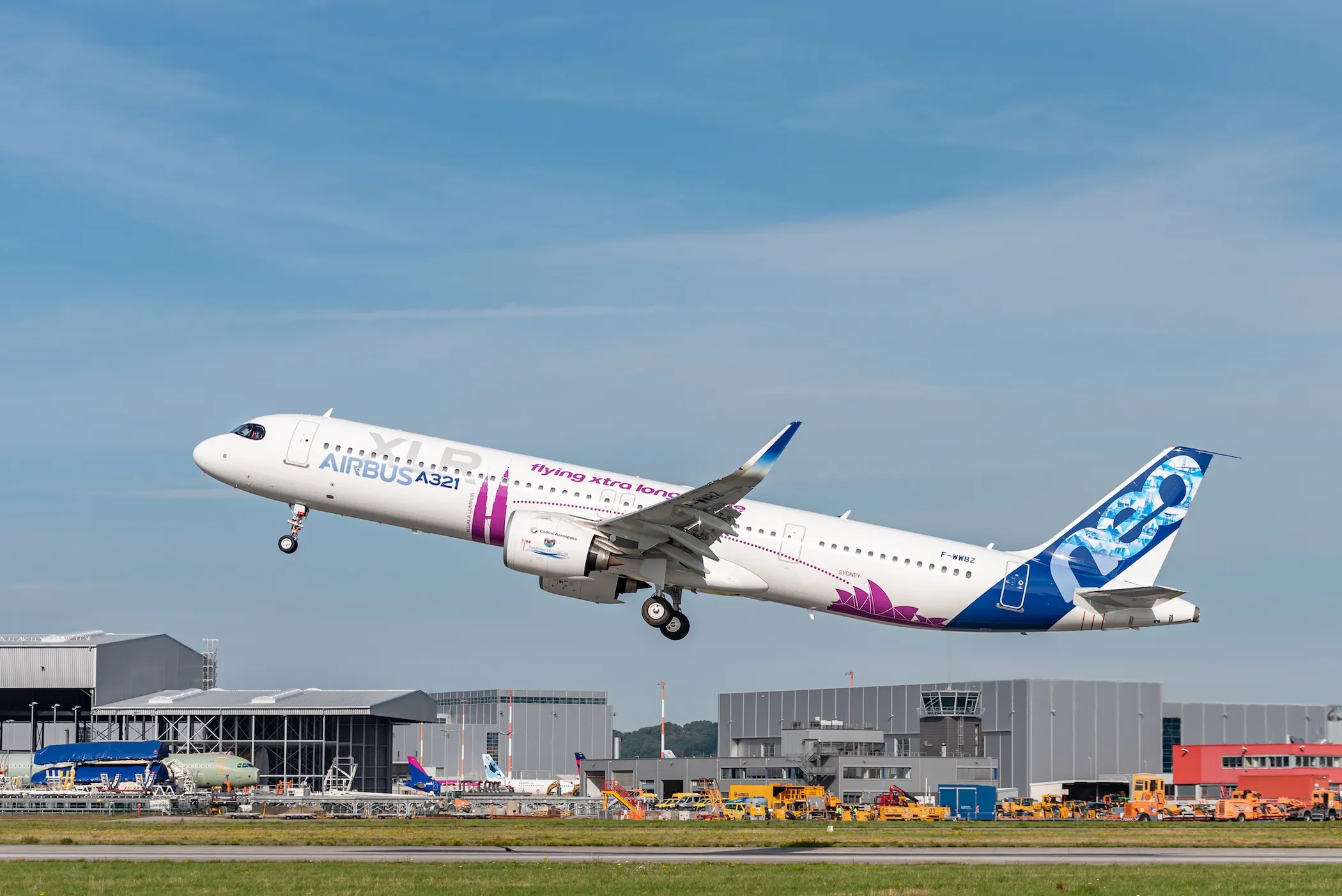
Deurloo framed the Advantage upgrade — not the base PW1100G — as the powerplant that resolves the durability problem. He said the first shipset went to Airbus in May 2026 and outlined a 24‑month cutover, with Pratt & Whitney expecting to reach 100% Advantage‑standard deliveries to Airbus by early 2028. He also disclosed that the Advantage delivers 4–8% more thrust and incorporates a fully redesigned suite of life‑limited parts, including new turbine hardware, at entry into service: a hardware change rather than an inspection fix.
“What that advantage brings is two times the durability. That's on this configuration today, which is an improved iteration of what we were delivering five years ago. It also has significant thrust capability, four to eight%, and at entry into service it will have a target of no life-limited parts on the low-pressure turbine. That wasn't the case on the base engine,” Deurloo said.
Alongside Advantage, Deurloo pointed to a retrofit package he called Hot Section Plus, roughly 35 unique parts that bring 90 to 95% of the Advantage durability benefit into the existing base fleet, with certification targeted for late 2026 and more likely the first quarter of 2027.
That marks a faster and more specific timeline than Pratt & Whitney has given in recent quarters, and it matters given the size of the fleet that the retrofit would ultimately cover. Deurloo’s estimate of about 2,100 GTF‑powered aircraft in service today broadly matches current fleet data, before accounting for ongoing deliveries.
2. The AOG count is falling, and Pratt's own math shows why
Deurloo repeated a commitment first made in November 2025: that Pratt & Whitney would bring A320neo family groundings down to single digits by the end of 2026. He said the fleet is “down almost 40%” from last year’s peak, but declined to give a precise figure when pressed twice, citing the difficulty of separating engine‑related AOGs from Cirium’s broader grounding data, which includes airframe and other causes. He did offer one internal metric: engine removals are now running below Pratt’s forecast, meaning the shop‑visit backlog is shrinking rather than growing, a shift he attributed to a bearing‑compartment oil system retrofit.
The directional trend aligns with operator reporting and the company’s own MRO throughput gains. Deurloo tied the improvement to a 26% increase in overhaul capacity between 2024 and 2025, and to material investments including a seventh forging press in Columbus, Georgia; a third powder tower in Huntington, New York that boosts output there by 50%; and more than US$100 million in added manufacturing capacity in Poland.
“One easy metric that I look at every day is removals versus MRO output. We've now been doing it, probably for the last six to twelve months, where our actual output, because of the MRO growth, is greater than the removals. So, we're actually starting to see the burn-down of that backlog of engines going in, and I think customers are starting to feel that as well,” Deurloo said. On requests for a hard-grounded-aircraft figure, he added: “I'm not going to put out a number for you, but I'll say we track what engine-related AOGs. That's what I'm looking at, and that's the curve I see coming down dramatically.” Deurloo said.
3. The order book and the aftermarket, not new engine deliveries, are carrying Pratt's numbers
Rick Deurloo cited an 8,000-plus engine backlog and said the total addressable GTF program, originally sized at under 2,000 aircraft when Pratt greenlit the architecture, could now grow to 6,000 to 10,000 units depending on the timing of the next single-aisle launch. He also cited 55 million flight hours accumulated across more than 90 GTF customers.
RTX's first quarter 2026 results support the aftermarket half of that story more than the OE half. Pratt & Whitney reported sales of US$8.17bn for the quarter, up 11% year over year, driven by a 19% increase in commercial aftermarket and a 7% increase in military sales, while commercial original equipment sales actually fell 1% on lower engine deliveries. Segment operating profit rose 22% to US$710m.
The aftermarket revenue and margin expansion outrunning new engine shipments, is consistent with Deurloo's description of a company still constrained on OE output but earning increasingly strong returns on shop visits and material sales, a dynamic RTX Chief Financial Officer Neil Mitchill has separately described as engines coming out of warranty providing a more stable base of aftermarket demand.
“When we first launched the GTF, we thought it was going to be a shorter window before the next chance, and I'd say our incentive is that we think it's a great opportunity to get back into Boeing and continue partnering with Airbus. That's a hell of an incentive for us. Think about that 2040 time frame, when there are twenty thousand-plus engines flying around. That business will continue to grow for us,” Deurloo said, responding to a question about why Pratt would invest in a second-generation GTF given its existing backlog.

4. Deurloo is drawing a firm line on next-generation single-aisle timing, and it does not match Airbus's public posture
Asked directly about Airbus Chief Executive Guillaume Faury's public comments on launching a new aircraft around 2030, Rick Deurloo declined to accept that framing. He argued that a 2030 launch decision does not imply a 2030 entry into service, distinguished between what he called a Boeing assessment and an Airbus assessment of timing, and placed his own marker for a next-generation single-aisle at approximately 2040, citing the pace of technology maturation and what he described as airline demand for operational stability after a difficult decade for new engine programs.
“I think 2040 is right because of tier maturation for the technology. And the other thing, you guys know this, our industry needs some stability. With the Advantage, I think we'll bring that in, and I think our airlines are looking for some stability, something they can count on day to day for their operations. I think that's going to drive some of the timing,” Deurloo said.
The Pratt & Whitney president also pushed back on Rolls-Royce's public interest in a next-generation single-aisle partnership, reaffirming Pratt's existing risk-sharing relationships with MTU Aero Engines and JAXA, and ruled out an open fan architecture in favor of a further evolved geared turbofan, describing that evolution as both Plan A and Plan B. “Right now, that's the direction we're headed (…) We are committed to the geared architecture. We believe strongly that's the direction this industry will become. So, our plan B is to do an even better GTF engine. That's plan A and plan B,” he said.
The gap between Deurloo's 2040 marker and Faury's stated 2030 launch target is significant for fleet planning purposes and is the kind of divergence that tends to surface again in subsequent Airbus and Boeing commentary at this show. Independent of the launch date debate, Oliver Wyman's 2026-2036 global fleet and MRO forecast projects the commercial fleet reaching roughly 41,000 aircraft by the mid-2030s, a 3.2% compound annual growth rate that lags pre-pandemic projections by roughly six years, a backdrop that supports Deurloo's argument that airframers and engine makers alike have more time than the 2030 headline might suggest.
5. British Airways' engine selection reads as a platform endorsement, not just an order
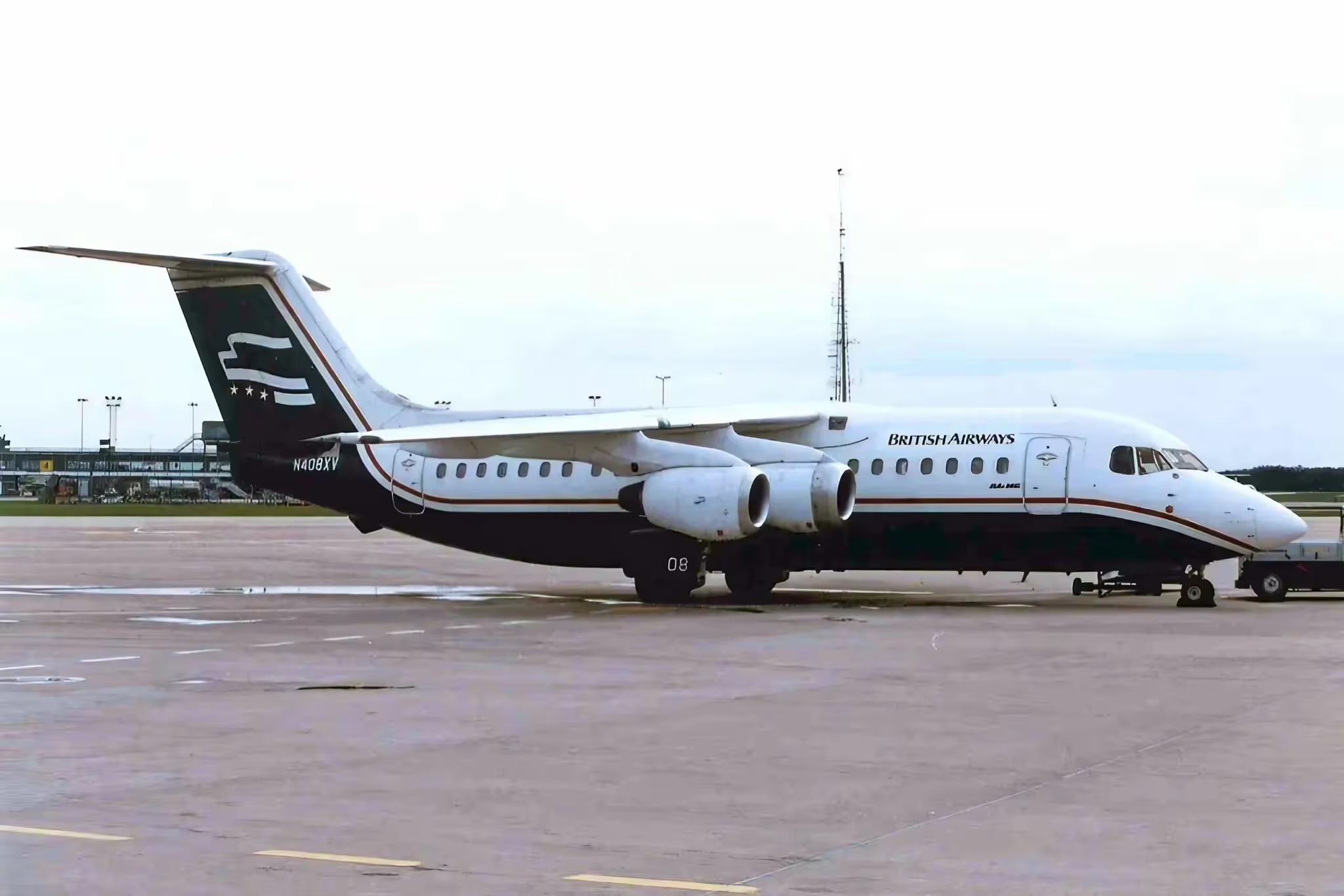
Deurloo called out British Airways' recent selection of the GTF Advantage for its A320neo family order as a deliberate move by an IAG group carrier that had previously operated CFM LEAP engines within the wider IAG fleet. He described it as British Airways choosing the Advantage specifically, rather than simply defaulting to Pratt, and said Jetstar, BOC Aviation and additional undisclosed customers are likely to add further orders in the coming days of the show. He also addressed a separate customer relationship directly, telling reporters Pratt is closely tracking Embraer's plans to stretch the E195-E2 and expects the current PW1900G thrust class to cover that requirement without a new engine variant, citing redesigned hardware, including a straight-wall combustor, already in the certification pipeline.
“I love having British Airways operating the GTF. We have a long relationship with them, and knowing that they're going to have the GTF engine in their fleet, where we have a big presence already, is an important part for us,” Deurloo said, adding that British Airways “saw an incredible differentiator that they wanted to go forward with” in choosing the Advantage over the competing CFM LEAP.
The Farnborough Verdict
Pratt & Whitney didn’t erase the GTF’s troubled past at Farnborough. Deurloo delivered something more important: a coherent, time‑bound plan for how the next two years must unfold centered around the Advantage cutover, retrofit certification, AOG reduction and MRO throughput. The proving window has begun. The next Farnborough will show whether Pratt & Whitney’s reset becomes a reality.
Featured image: Roberto Leiro/Airways



.avif)