Report: Airlines Taking Affected A321neos to Get Two Years for Repairs

.webp)
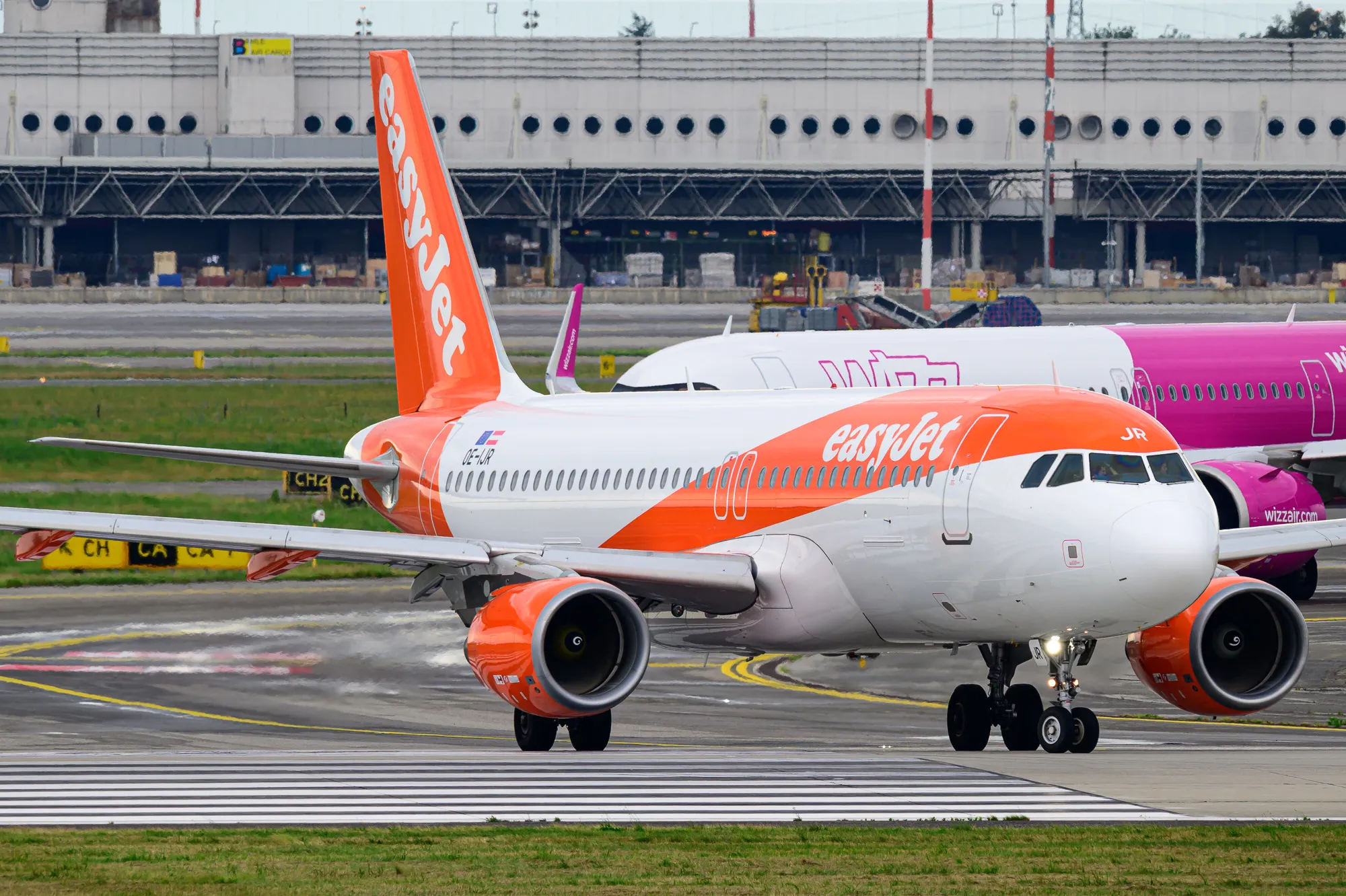


TOULOUSE — Airlines that keep taking delivery of A321neos affected by the stringer coating flaw will have two years to repair the affected part, rather than waiting for the usual four-year maintenance cycle, people familiar with the matter said, according to a Reuters report on Monday. The work is expected to take up to nine days, including two to three days for the core repair, the sources said.
Reuters reported that this is less than some analysts had feared, because the parts will not need to be removed from the fuselage panel. Airbus said last week, in a statement shared with Aviacionline, that "the rework doesn't require any disassembly of the stringers" and that "the source of the issue has been identified, contained and a remedy is available." The statement added: "Aircraft can continue to operate. This is a quality issue, not a safety issue."
Airbus has said 250 of the 500 affected aircraft are still at various stages of production, Reuters reported. A person familiar with the matter told Reuters last week that roughly 250 others are already in service and that the longer-range A321XLR is not affected. Airbus confirmed the flaw to The Air Current, which first reported it on September 24, and Airways reported on September 27 that the manufacturer had traced it to a second-tier supplier.
The flaw and how it was found
Stringers are long structural members that run lengthwise along the fuselage and stiffen its skin. The affected ones sit in one section of the A321neo's forward fuselage. Their primer is meant to prevent corrosion that can build up over time in the lowest part of the fuselage, which Reuters described by the nautical term "bilge," an area where moisture collects.
According to two of Reuters' sources, the problem emerged in August, when an Airbus technician scraped paint from a fuselage part and found gaps in the protective primer underneath.
Where engineers are looking
Airbus has two suppliers for that section: Leonardo and Airbus Atlantic, Airbus's in-house aerostructures unit formerly known as Stelia, which also has overall charge of the front of the aircraft. The same sources said Leonardo uses a single supplier for the coatings, a privately held company called TESI, based south of Naples. Leonardo has confirmed that TESI supplies it for Airbus-related work, but not whether the company was involved in this case. TESI did not reply to Reuters' requests for comment, and Airbus declined to name suppliers.
Teams of Airbus and Leonardo engineers are now at TESI to support recovery work and find the cause of the problem, according to the sources, who said the cause has not yet been identified. Airbus's statement last week said the source of the issue had been identified and contained but did not describe what caused it.
Deliveries and what remains open
Two other industry sources told Reuters that the flaw has contributed to slower-than-expected deliveries in September, with one saying as many as 20 jets had slipped into the fourth quarter. Airbus declined to comment on partial monthly data but said on Friday that its 2026 target of about 870 deliveries was intact.
"The supply chain is still not under control; we thought it was, but it isn't," aviation analyst Rob Morris said, according to Reuters. "It just takes one company and suddenly you have a problem." Morris said Airbus had delivered almost 50 aircraft so far this month. If a late push takes September to 60, compared with 73 a year earlier, he estimated that Airbus would need to beat its quarterly record of 297 deliveries, set at the end of 2018, by 13%.
Reuters described the stringer flaw last week as the second industrial problem to affect the A321neo's fuselage in nine months. The first, a fuselage-panel quality issue reported last December, led Airbus to cut its 2025 delivery target.
Monday's report does not say whether the two-year window also covers aircraft already in service, or whether a regulator will set it. Last week, a Reuters source said Airbus had told customers there was no immediate requirement to repair, and Reuters reported that European regulators could still issue a directive requiring repairs within a set period. People familiar with the matter told The Air Current that aircraft not fixed before delivery will need in-service inspections and rework over the coming years. The European Union Aviation Safety Agency's list of recent airworthiness directives and proposed directives, checked on Monday, showed none on the stringer issue. The reports reviewed for this story do not identify the affected serial numbers or operators.
Featured image: Simone Chellini/Airways



.webp)