

.webp)
.webp)

.webp)
TOULOUSE — A world first: the very first Airbus A300-600ST Beluga to be displayed in a museum is joining the permanent collection of the Toulouse aviation museum, “Aéroscopia.”
This new addition to their collection is sure to delight the people of Toulouse and aviation enthusiasts worldwide. Airways magazine was on site to cover this historic transfer.
Arrival of a giant at the museum
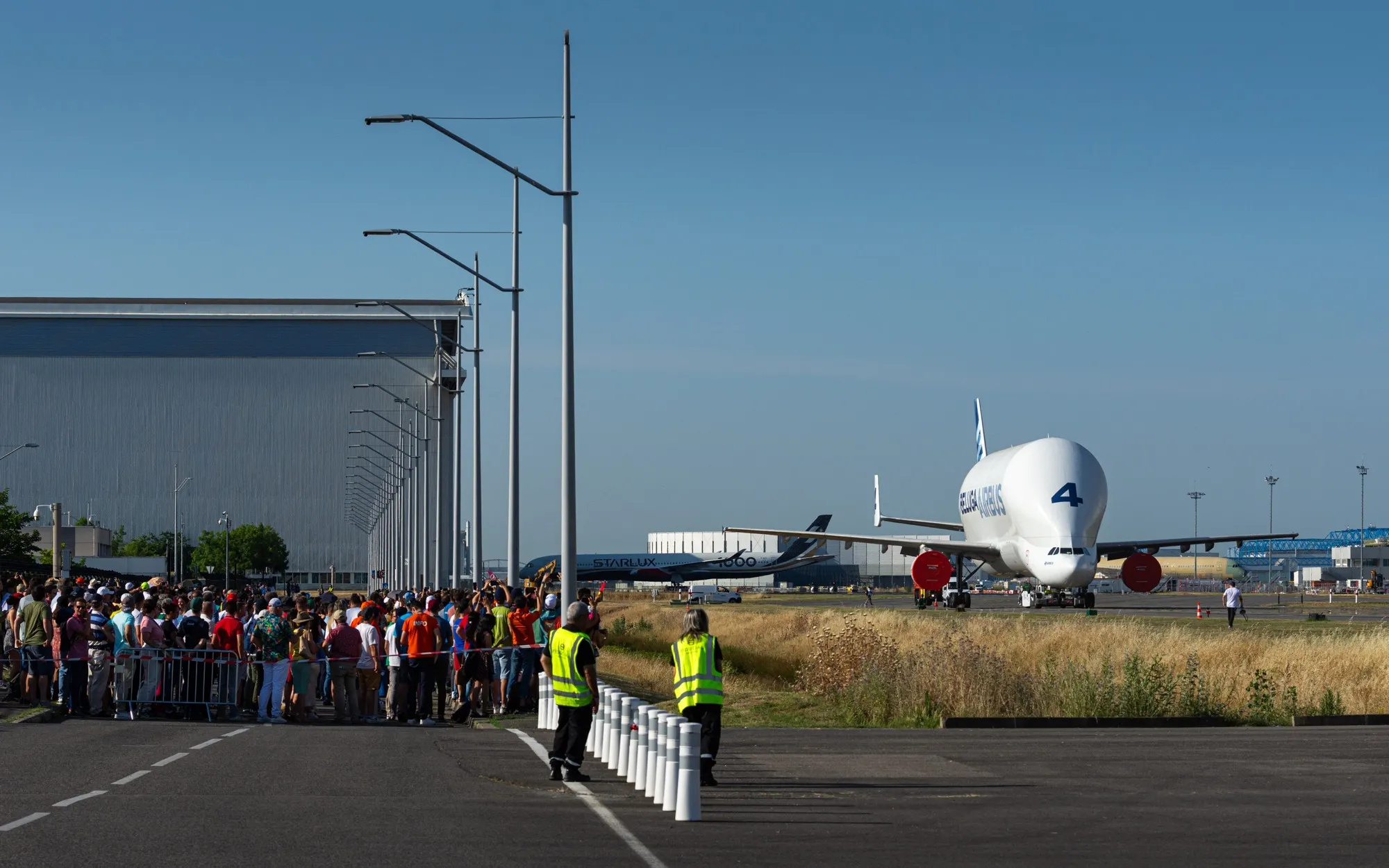
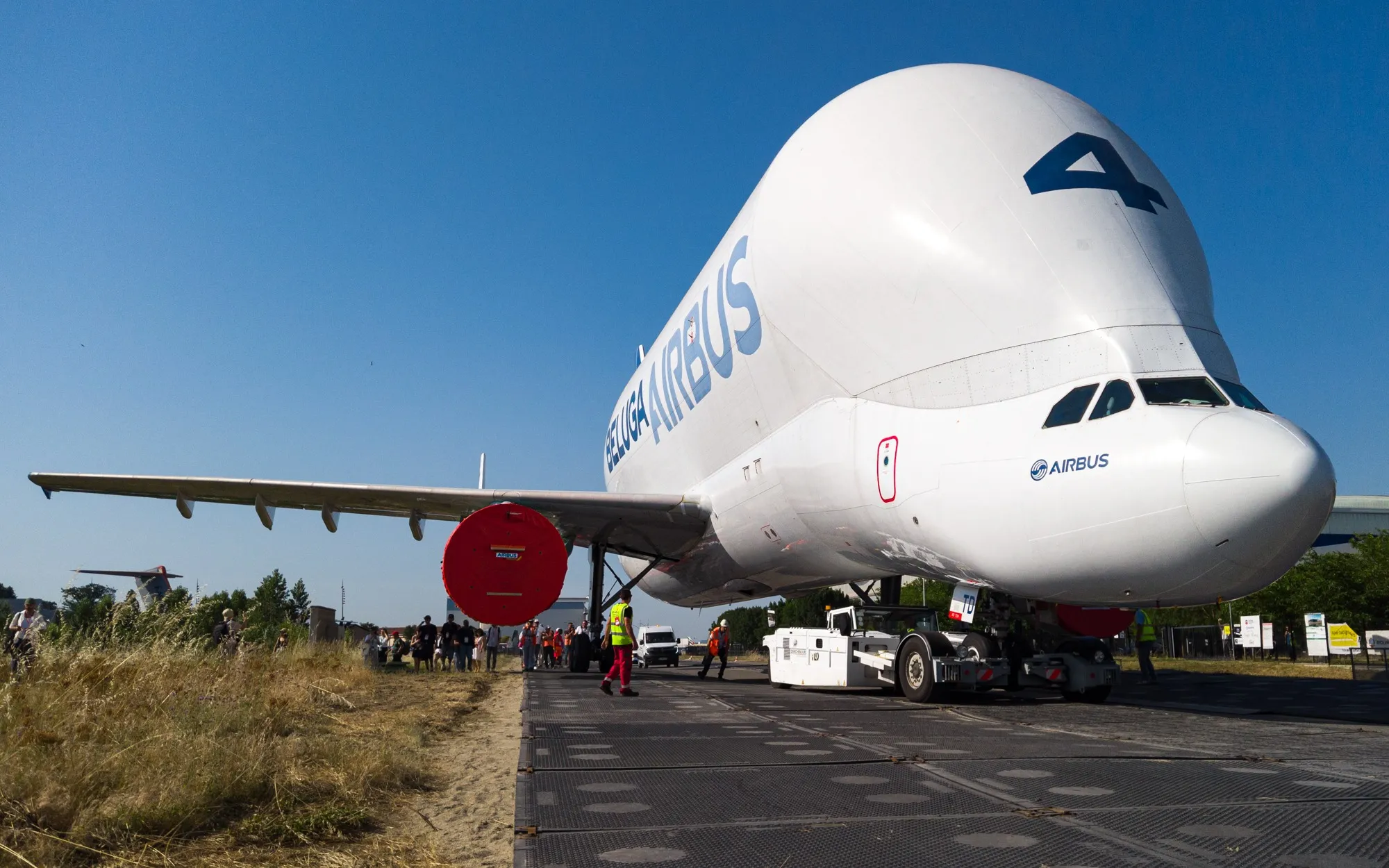
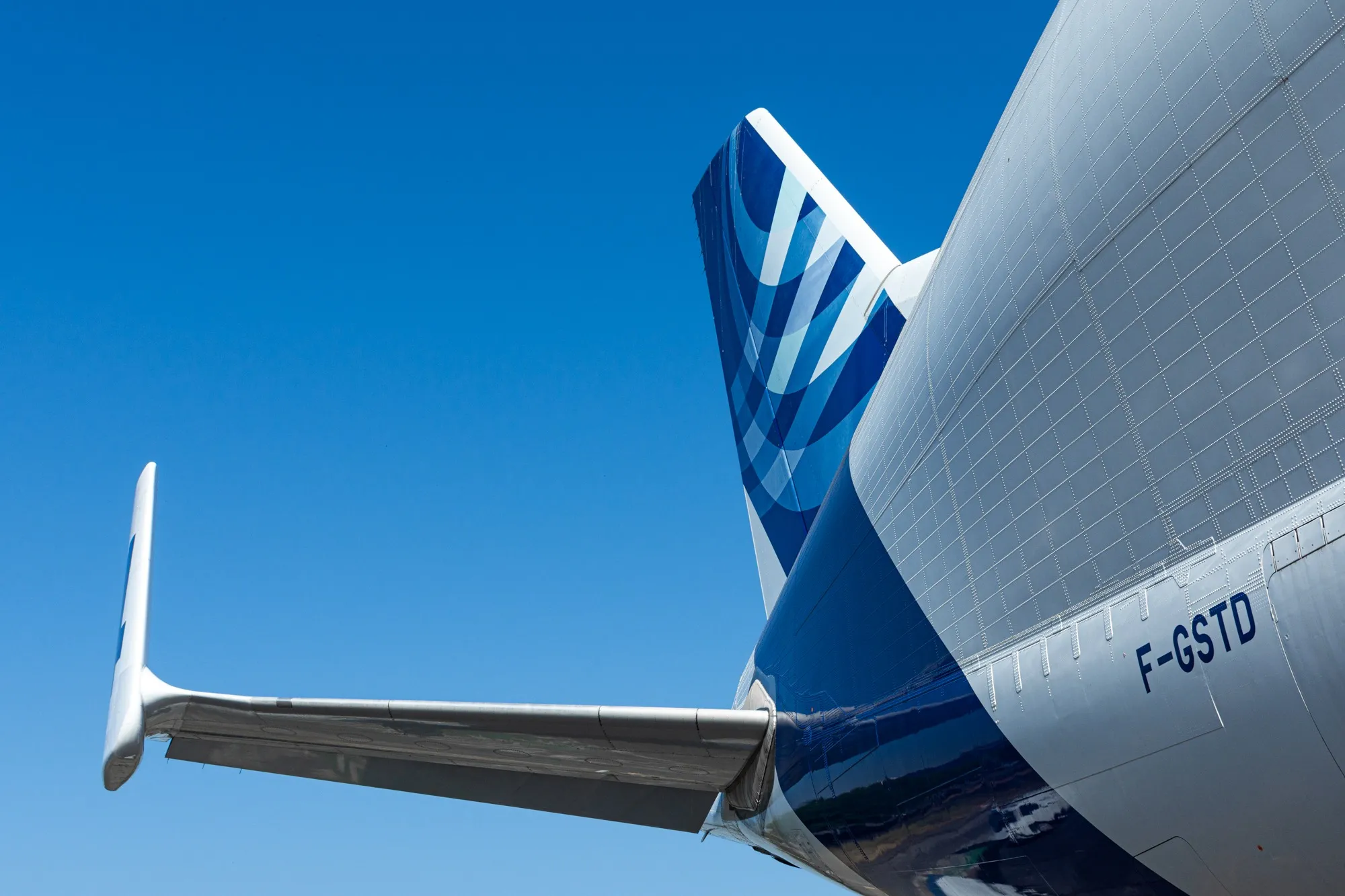
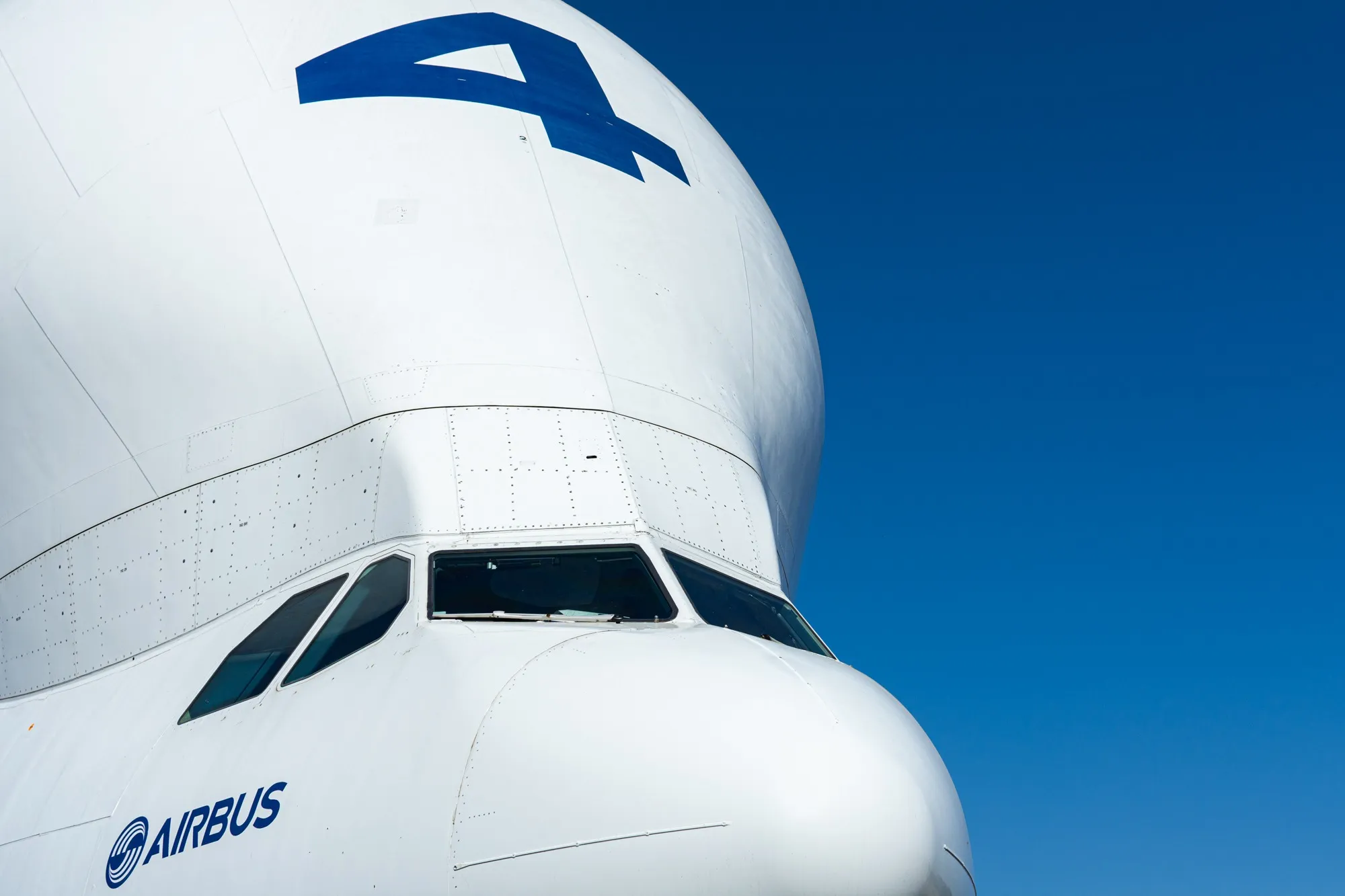
On Wednesday, June 24, at 9 a.m, the Airbus A300-600ST Beluga No. 4, registered as F-GSTD, was towed from the Airbus industrial sites in Toulouse to the north apron of the Toulouse museum, where it was parked next to its A340-600, A320, and A380 counterparts.
The aircraft, made available to the museum by Airbus, first flew on June 9, 1998, and has logged 6,806 hours and 43 minutes of flight time over 4,438 missions. It made its last flight on September 17, 2025.
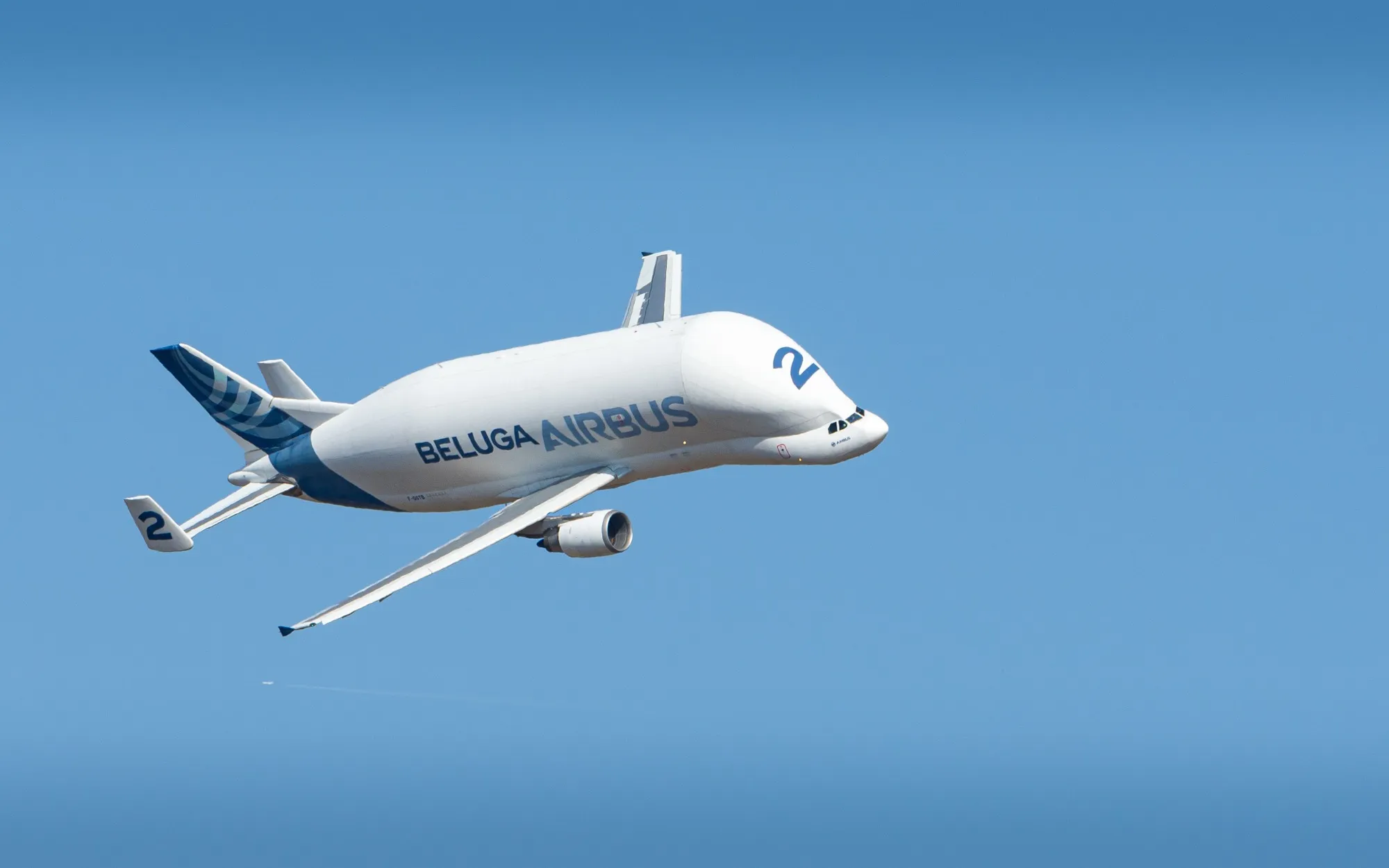
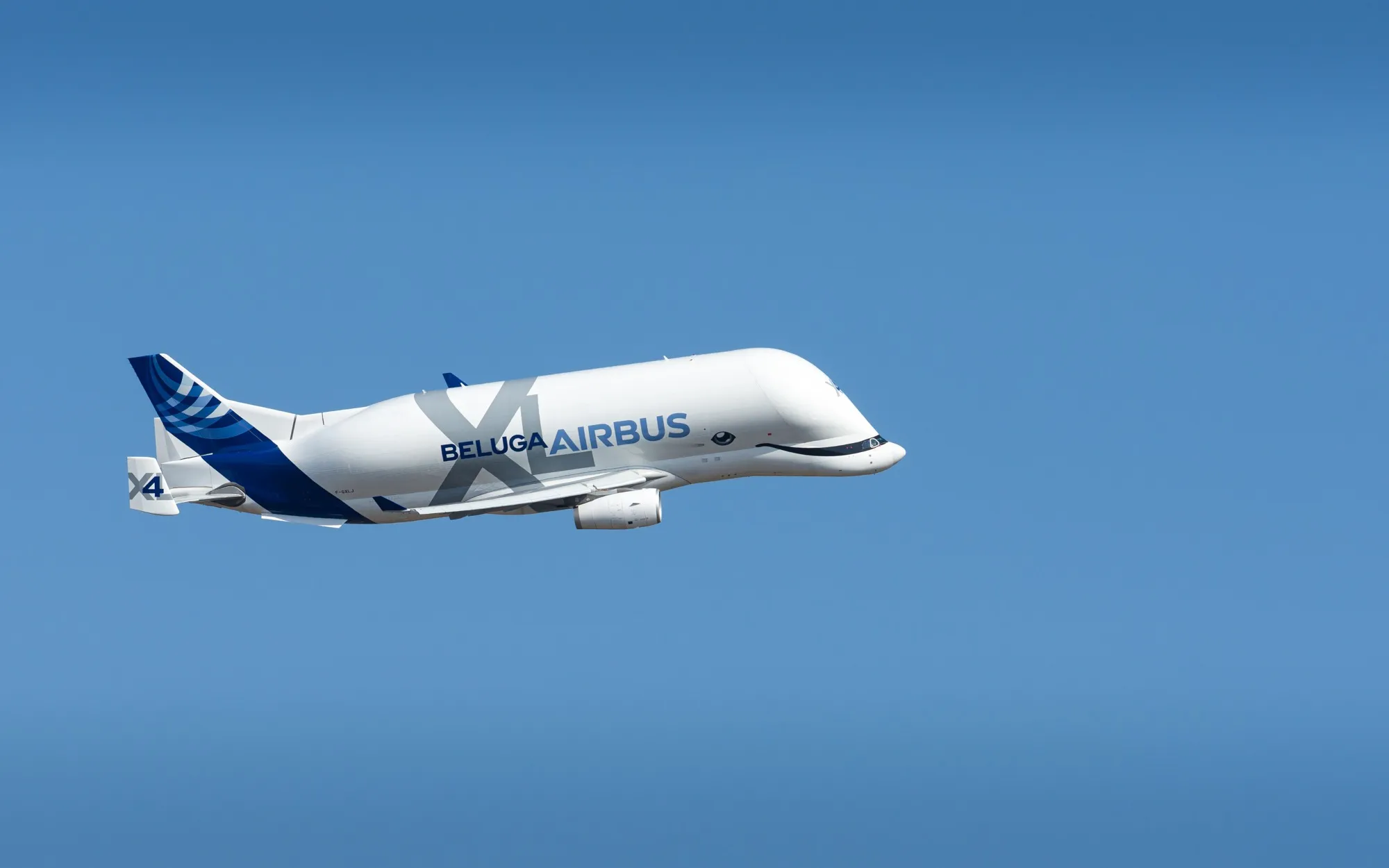
Before being towed to the museum, an Airbus Beluga ST (F-GSTB No. 2) and an Airbus Beluga XL (F-GXLJ No. 4) took off from Toulouse-Blagnac Airport and flew low, performing some impressive turns above the Beluga ST 4 to salute it and wish it a happy retirement.
To move this giant to the museum, the road between Airbus and the museum site was strengthened to accommodate the weight of the plane, and avoid damaging the road. The towing went well, under Airbus staff supervision; media and aviation enthusiasts taking photos and videos.
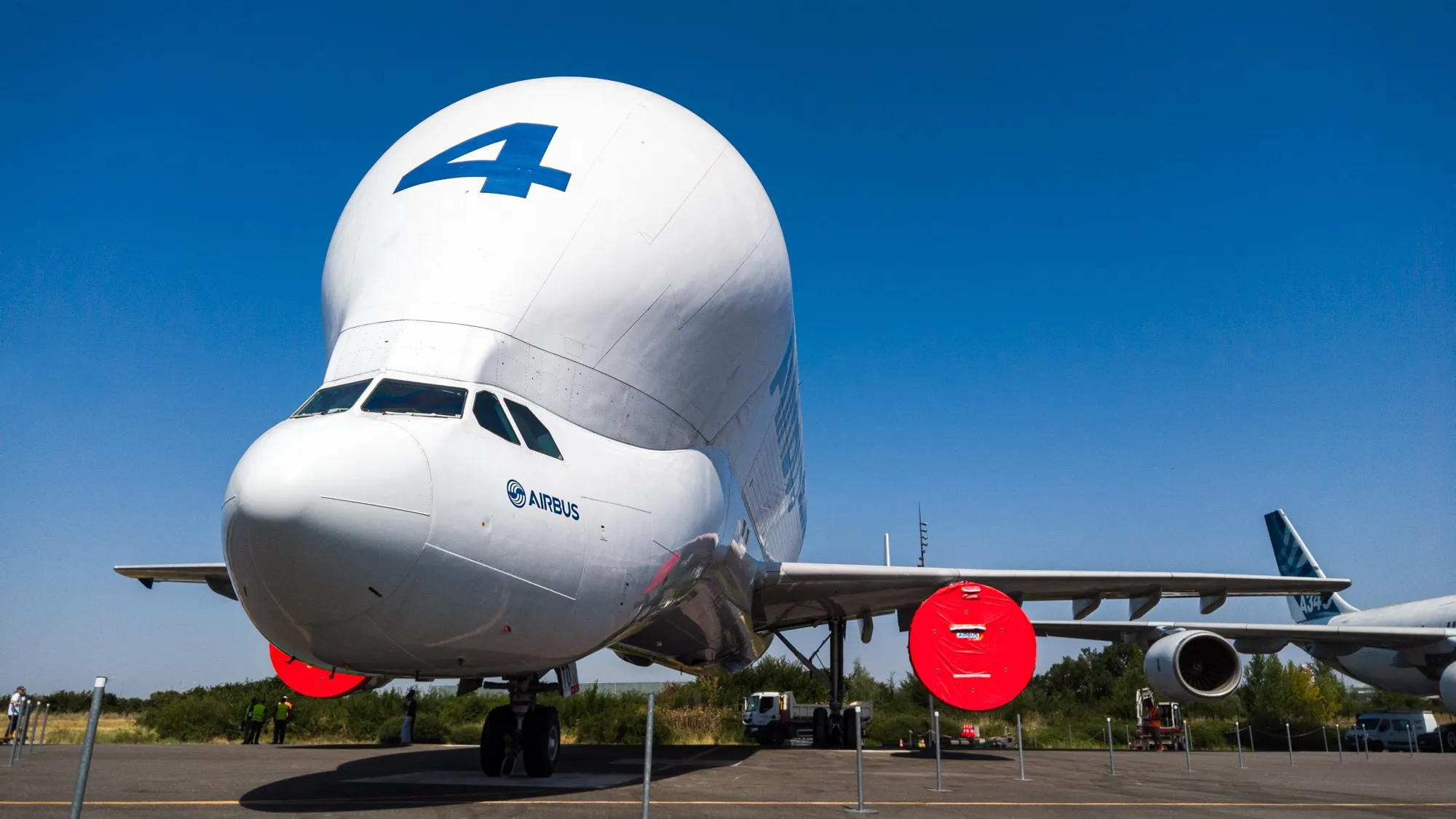
The towing operation was completed at midday, and the aircraft was secured to the tarmac in its final position. Members of the media and photographers were allowed to visit the cockpit and view the giant cargo hold.
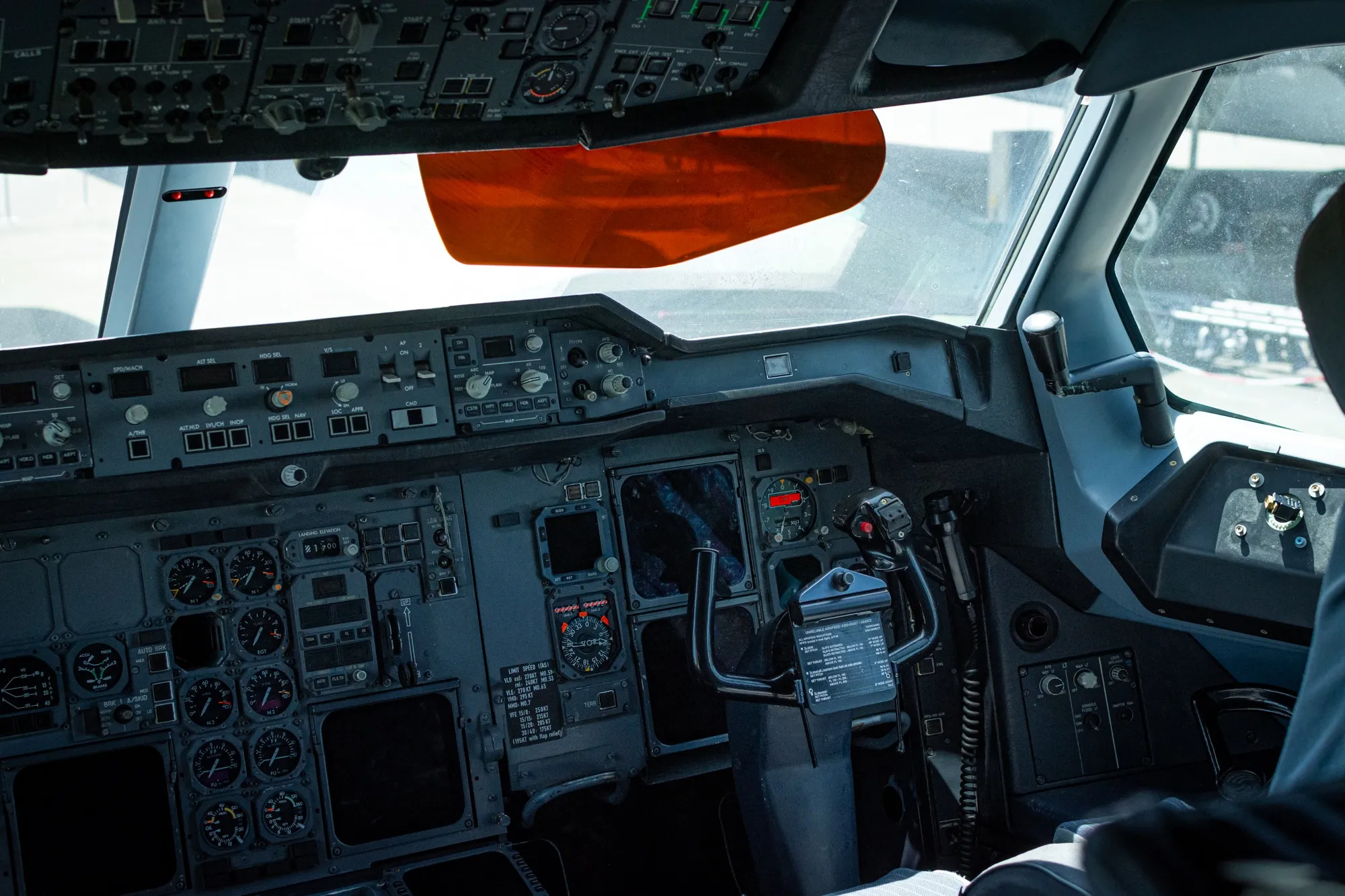
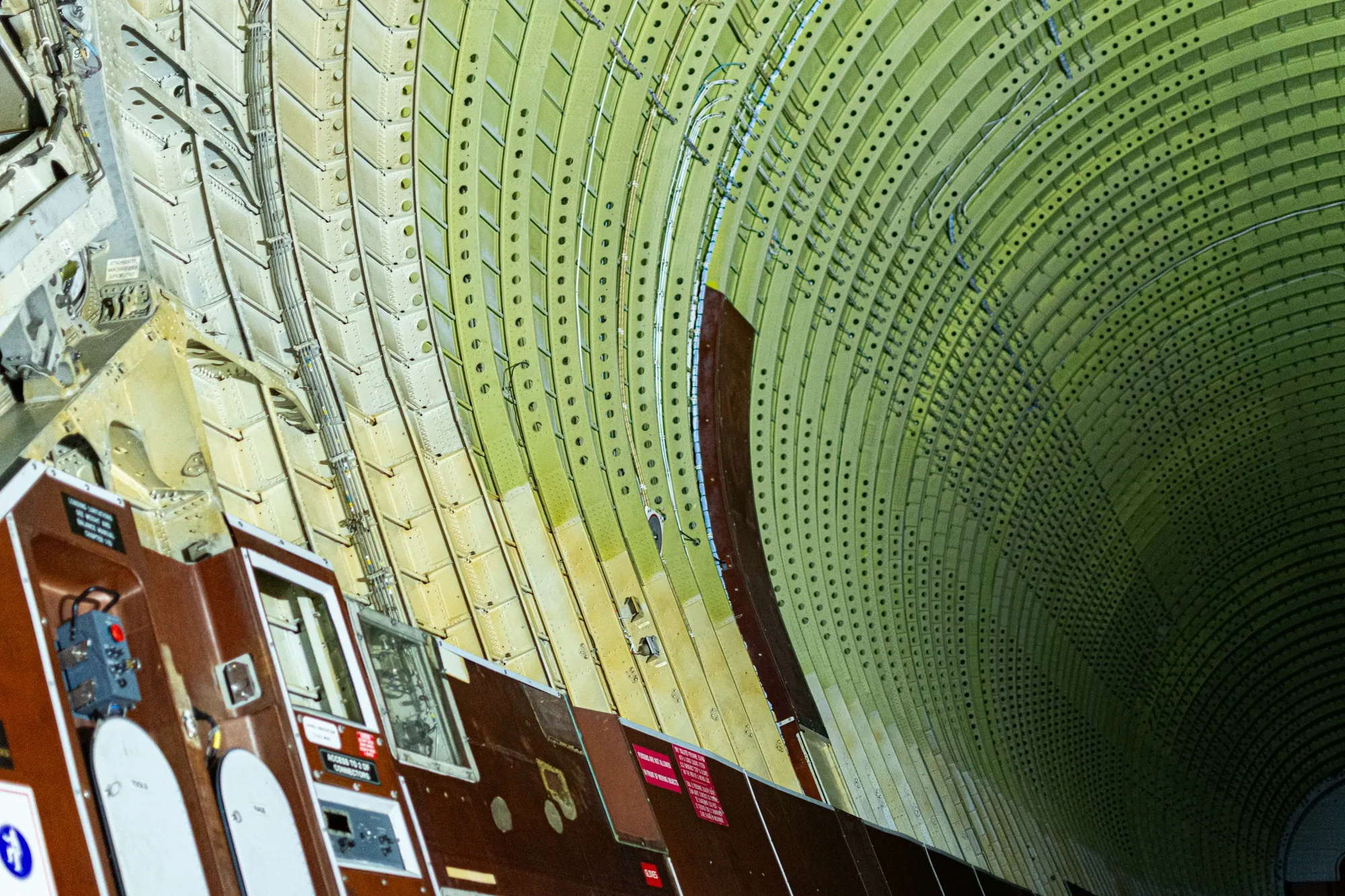
An opening night event was held that very evening, featuring a concert and refreshments. The general public could book tickets to admire this airplane, which had been such a familiar part of their daily lives in Toulouse.
A new aircraft that will please visitors
For visitors, the arrival of the Beluga ST transforms the museum experience. Now a centerpiece of the outdoor exhibition, this giant of the skies offers direct immersion in Airbus's industrial history.
Its addition to the exhibition flows naturally from the visitor journey: it directly follows the legendary Super Guppy—its predecessor—which has been on display since the museum’s opening in January 2015. This unique cohabitation provides a clearer understanding of the evolution of European aircraft production lines, tangibly illustrating the family ties between the various aircraft.
Guillaume MANET, Director of the Aeroscopia Museum, comments on this transfer: “The journey and arrival of Beluga ST No. 4 at the Aeroscopia Museum are an exceptional event. This iconic aircraft, instantly recognizable among all others, has left its mark on several generations through its unique silhouette and the vital role it played in Airbus's industrial history. [...] We are particularly proud to be able to offer Beluga ST No. 4 a permanent home at Aeroscopia, where its history can continue to inspire future generations. A big thank you to Airbus.”
Essential link in the Airbus industrial system
From the beginning, Airbus’s unique approach was based on production spread across several manufacturing sites throughout Europe. This geographical organization soon called for a unique logistics solution capable of transporting very large sections of aircraft. As road transport proved insufficient to keep up with increasing production rates, the aircraft manufacturer opted for air transport.
From the early 1970s, the legendary Super Guppy was thus put into service to transport the large components of the Airbus A300 and A310. From 1995 onwards, the Beluga took over, becoming one of the key links in Airbus’s European industrial logistics chain.
Airbus built only five Beluga STs, which were operated in-house by Airbus Transport International (ATI), the group’s cargo airline. Since 2021, the Beluga STs have been gradually withdrawn from service and replaced by six Beluga XLs, which are more modern and have greater cargo capacity.
Airbus sought to give these aircraft a new purpose by establishing a bulk cargo transport division open to third-party customers, known as Airbus Beluga Transport (AiBT). The subsidiary was shut down on 24 January 2025 for economic and profitability reasons.
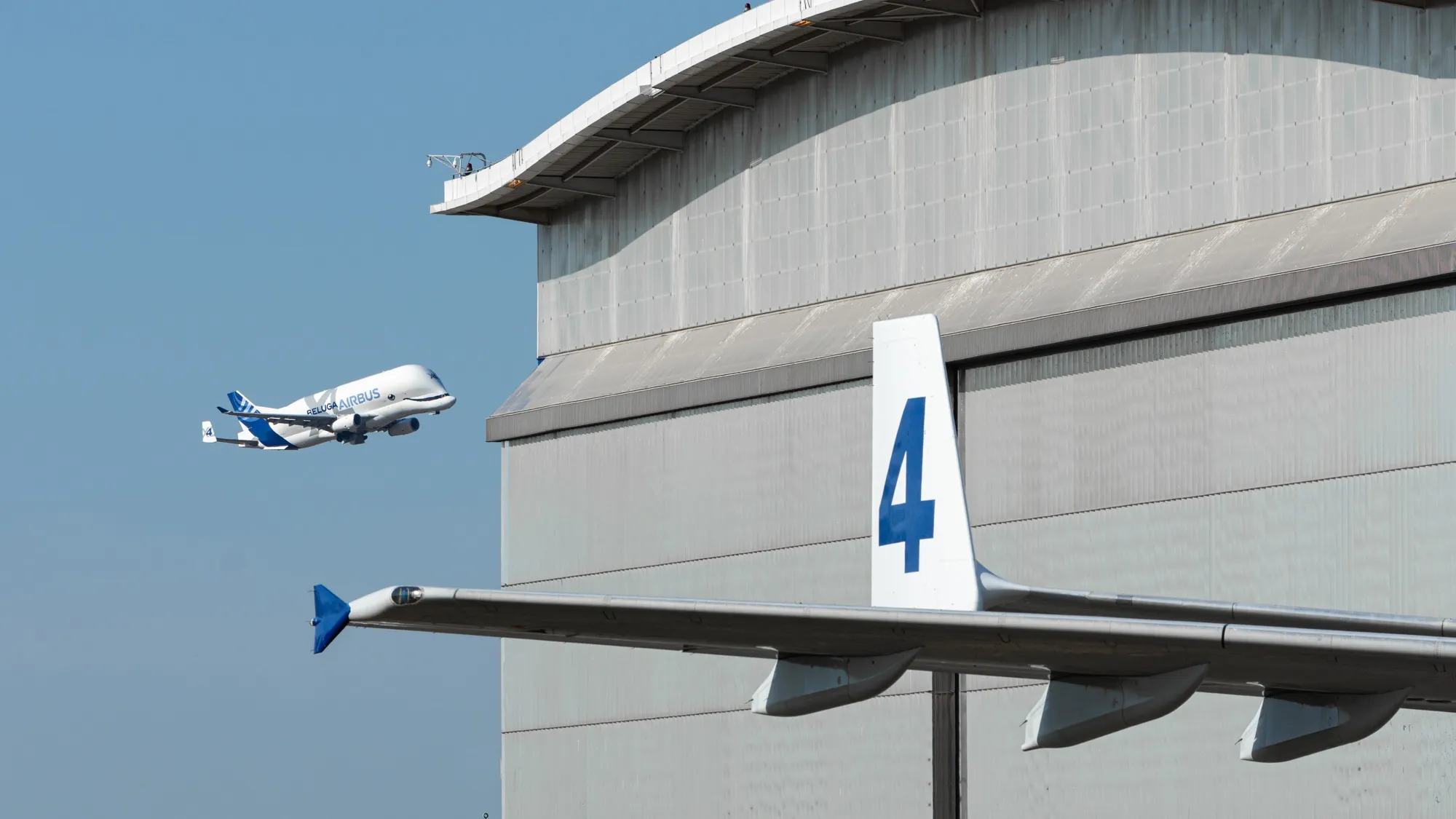
From 2027 onwards, the Beluga XL will become Airbus’s sole means of air freight transport. Although some cargo aircraft can carry heavier loads, the Beluga ST remains remarkable for the exceptional volume of its cargo hold.
Featured/All photos: Nuno Seletti/Airways



.avif)