

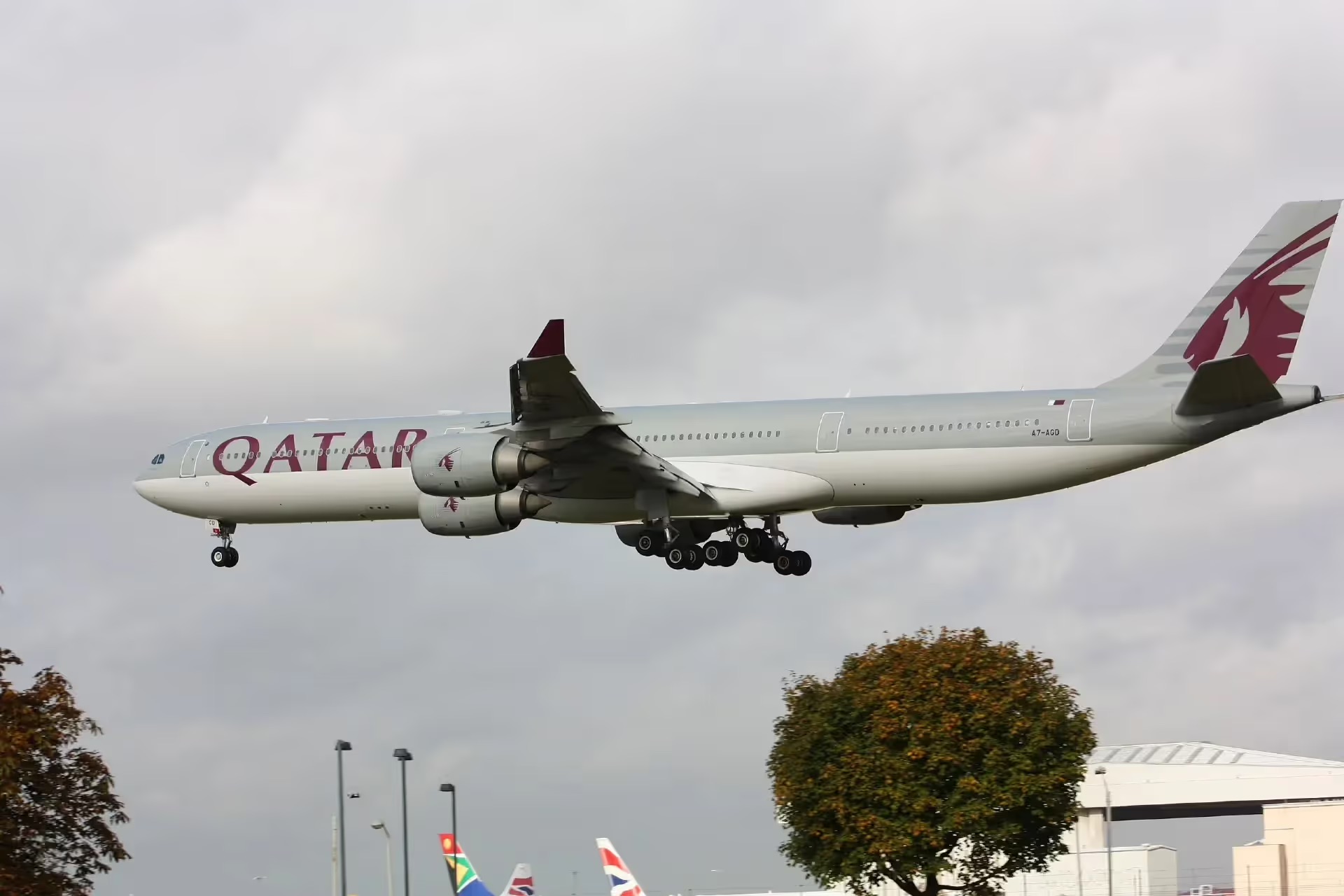
Today, in 2009, Qatar Airways (QR) completed the world’s first commercial passenger flight using a gas-to-liquids (GTL) kerosene blend. Flight QR076 flew from London Gatwick (LGW) to Doha in an Airbus A340-600.
Shell produced the 50:50 mixture of kerosene made from natural gas and conventional oil-based jet fuel. The aircraft used Rolls-Royce Trent 556 engines, and the journey took more than six hours. Then-Chief Executive Officer Akbar Al Baker, consortium representatives, and international media were aboard.
The passenger flight followed an Airbus A380 test from Filton to Toulouse on February 1, 2008, with GTL fuel used in one of its four engines. The research partnership had been announced at the Dubai Air Show in November 2007 and included Qatar Airways, Qatar Petroleum, Shell, Airbus, Rolls-Royce, Qatar Science & Technology Park, and Woqod.

From Testing to Passenger Service
“This milestone flight is the first step in making this alternative fuel available to airlines,” Al Baker said in the 2009 announcement.
Qatar Airways said the blend offered lower sulfur dioxide and particulate emissions than conventional kerosene, with potential benefits for local airport air quality. GTL converted natural gas into liquid fuel; the flight demonstrated an alternative to oil-derived kerosene.
Commercial supply in Qatar followed later. On January 9, 2013, Qatar Airways, Qatar Petroleum, and Shell marked the introduction of GTL jet fuel at Doha International Airport. Flight QR001, an A340-600 bound for London Heathrow (LHR), used the fuel on an outbound flight from Doha.
A Different Synthetic Fuel in 2021
KLM (KL) later flew a Boeing 737-800 from Amsterdam to Madrid on January 22, 2021, using conventional jet fuel mixed with 500 liters of synthetic kerosene. KLM announced the flight on February 8. Shell had produced that synthetic component from carbon dioxide, water, and renewable energy. Its feedstocks differed from the natural gas used for the 2009 GTL flight.
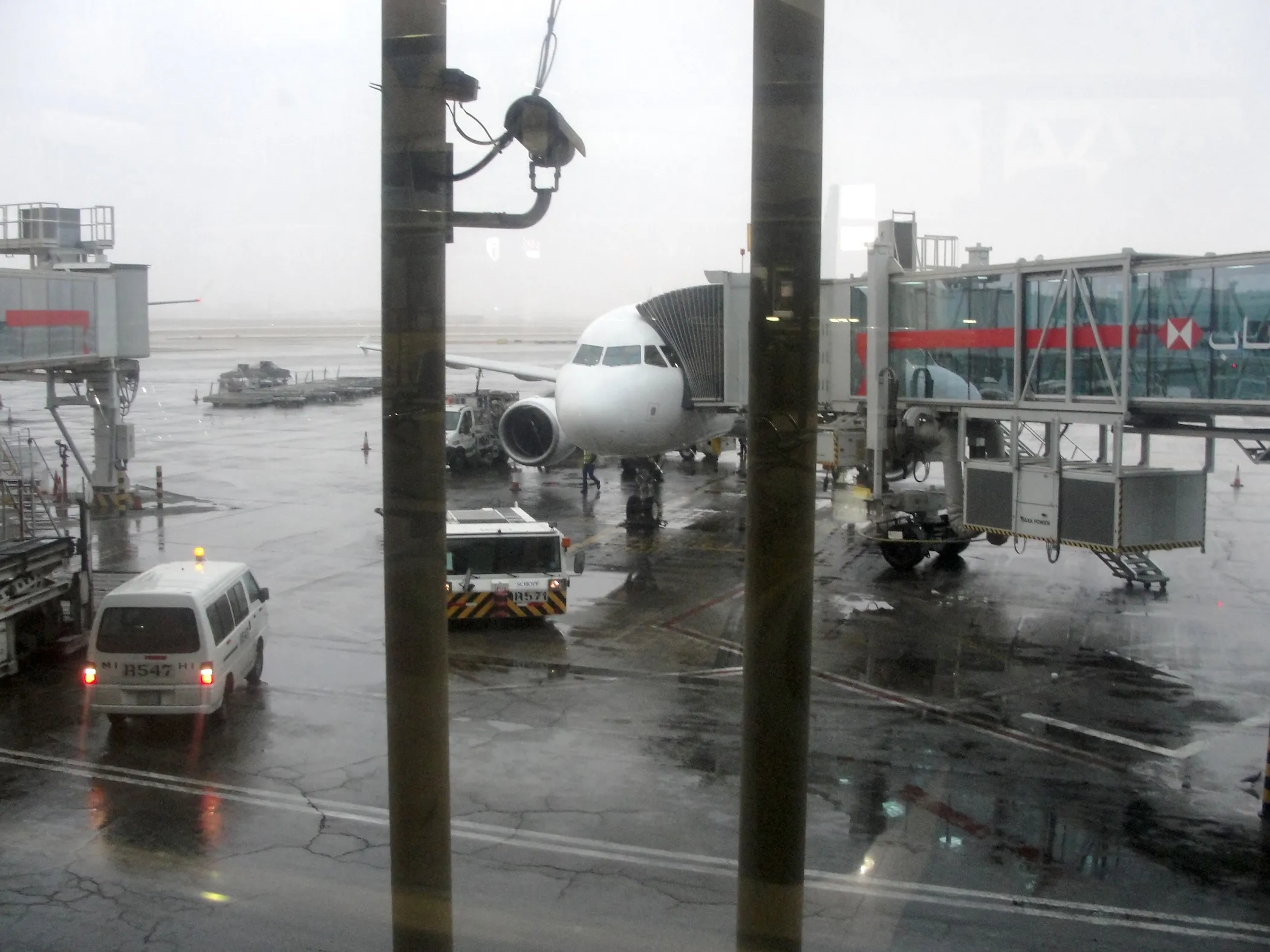
Featured image: MercerMJ/CC BY-SA 2.0



.avif)