



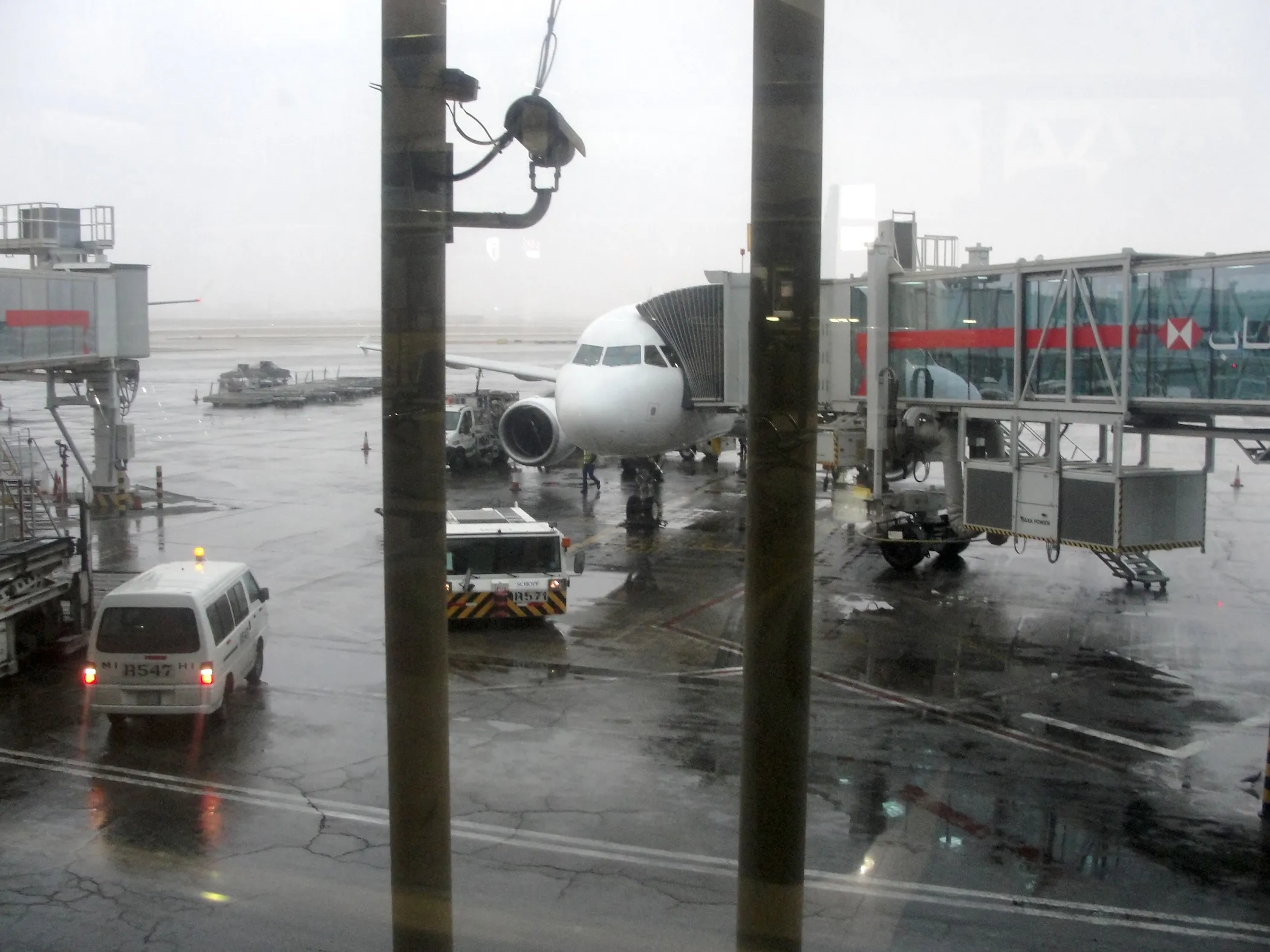
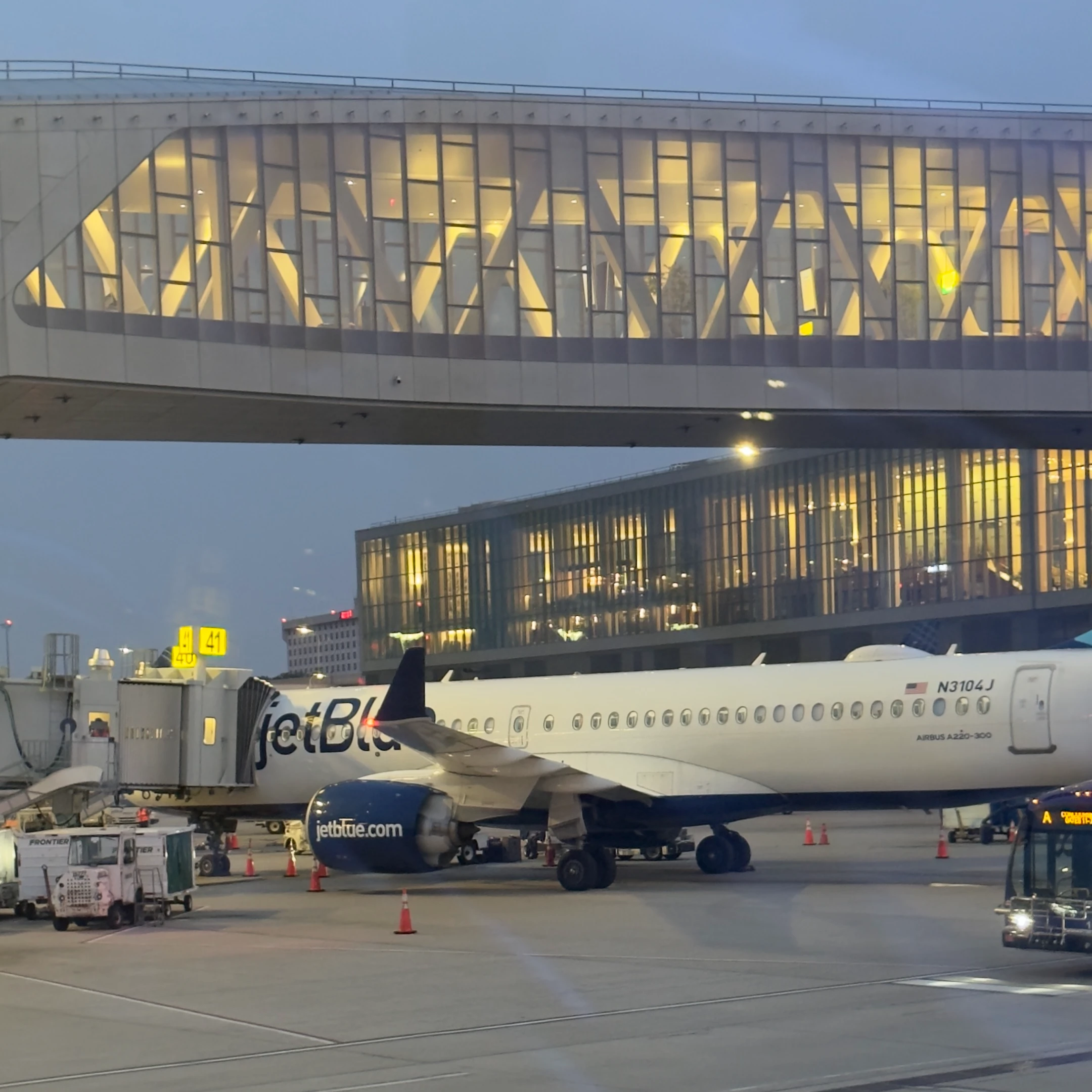

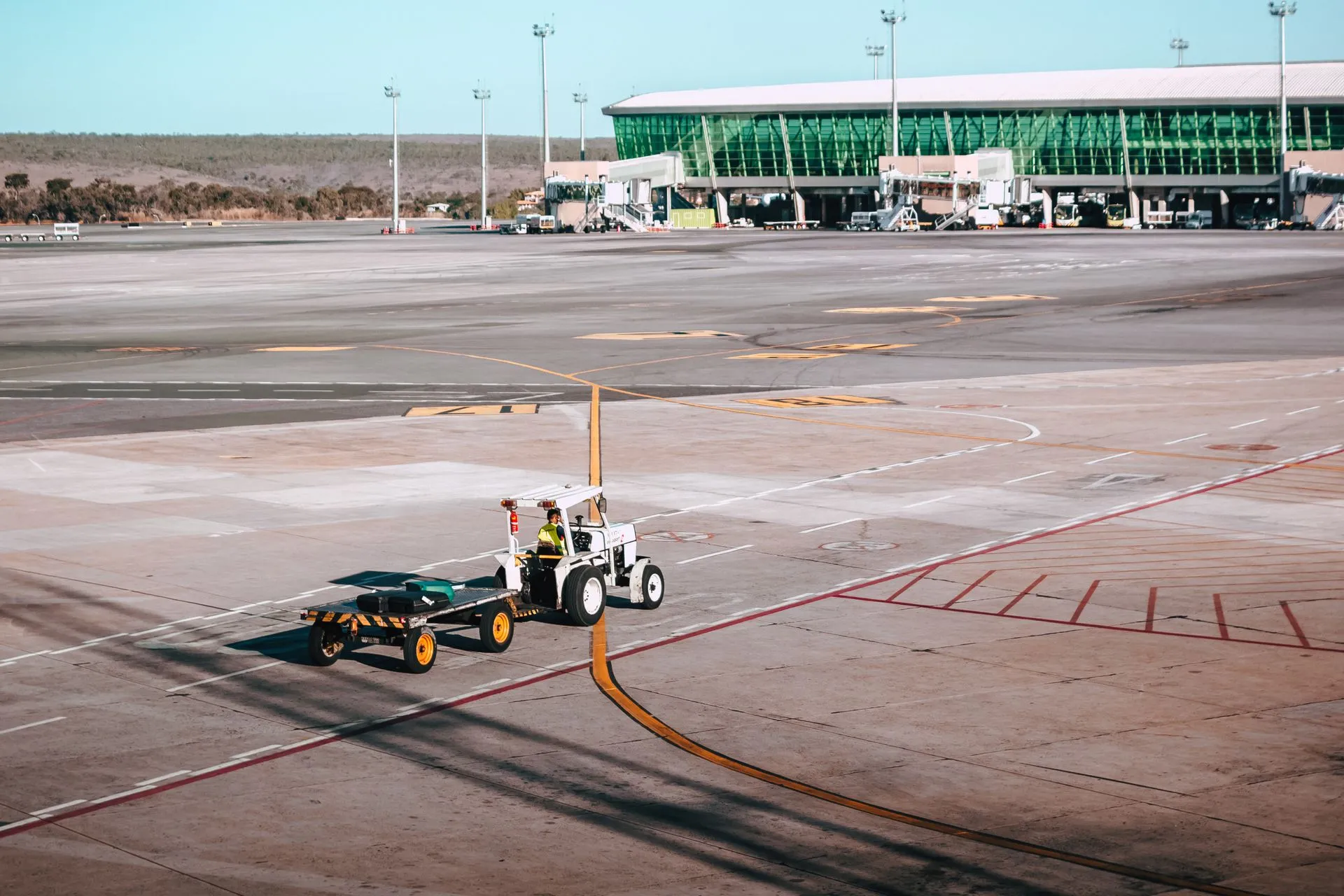

CHICAGO — The U.S. Federal Aviation Administration (FAA) is taking steps to limit summer 2026 schedules at Chicago O’Hare Airport (ORD) after airlines submitted timetables showing more than 3,080 total daily operations on peak days, an increase from approximately 2,680 last summer.
The agency proposes a target of approximately 2,800 total daily operations, which reflects ORD’s current manageable level given existing runway, terminal, and air traffic control resources.
The reaason for the proposal is that the FAA and the Department of Transportation (DOT) state that current summer schedules would place excessive strain on runways, terminals, and air traffic control, increasing the risk of widespread delays and cancellations, particularly given ongoing long-term construction projects at ORD.
What’s driving the surge
The FAA attributes the increase to aggressive schedule growth by ORD’s largest carriers. United (UA) and American (AA) are the primary contributors, with published peak-day schedules exceeding 3,080 daily operations, compared to ORD’s manageable level of approximately 2,800.
Reuters reports that United planned to add approximately 200 flights per day, reaching up to 780 daily flights in some filings. American planned to increase from about 484 to 526 daily flights. Both airlines expressed support for the FAA’s proactive measures to maintain reliability and safety for the upcoming summer season.
Timeline: summer season + meetings
The FAA’s notice defines the Summer 2026 scheduling season as March 29 to October 25, 2026.
Per the Federal Register notice, FAA planned:
- Opening remarks: March 3, 2026 (3:00 p.m. local)
- Scheduling reduction meeting: March 4, 2026 (9:00 a.m. local)
The agency expects to publish a final order after these meetings, which may restrict service during peak hours.
What this means for travelers
If the cap is finalized, airlines will likely:
- trimming peak-hour frequencies,
- shifting departures to less congested time windows,
- consolidating some flights into larger aircraft where feasible.
The goal is to reduce gridlock days, improve connection reliability, and minimize disruptions caused by weather or air traffic control constraints.
- Operation (ops): One takeoff or landing. “3,080 daily operations” counts both arrivals and departures.
- Scheduling reduction meeting: FAA’s formal process (under federal authority) to get airlines to reduce peak-hour schedules at severely congested airports.
- Demonstrated capacitivity an airport can reliably handle with current infrastructure/staffing; FAA cites ORD at about 2,800 ops/day.
- Peak-hour cap: Instead of a flat daily number only, FAA can manage traffic by limiting specific 30-minute/hourly windows (to prevent “banks” from overwhelming the system).
In Season 10, Episode 2 of the Airways podcast, Rohan and Vinay discuss the competitive landscape of the airline industry, focusing on the battle for Chicago O’Hare between American Airlines and United Airlines.
They explore the implications of gate space, market share, and Southwest Airlines' impact. Watch below of hear the episode on you favorite Podcast catcher.
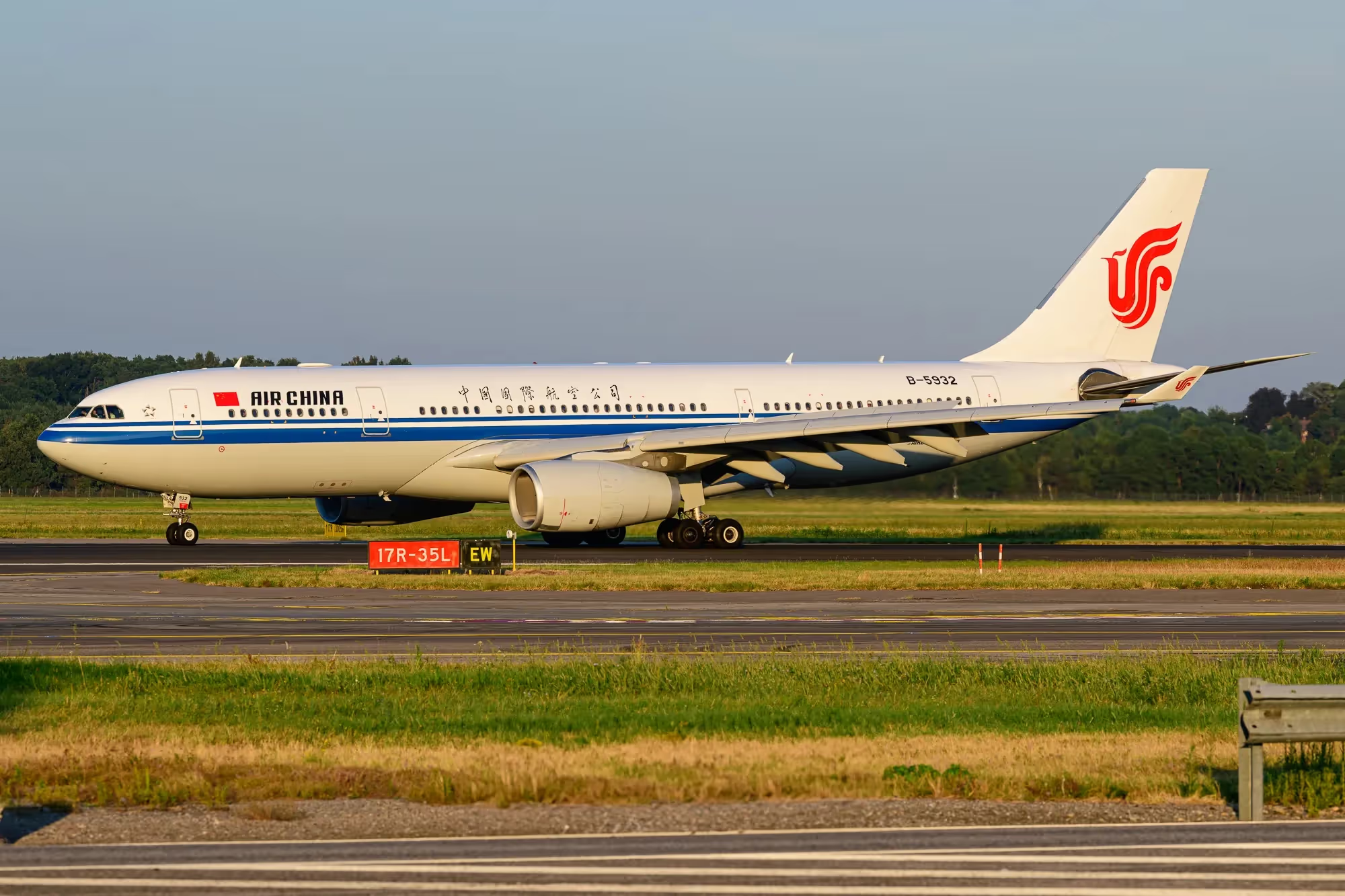
Featured image: ORD




.avif)