

.webp)
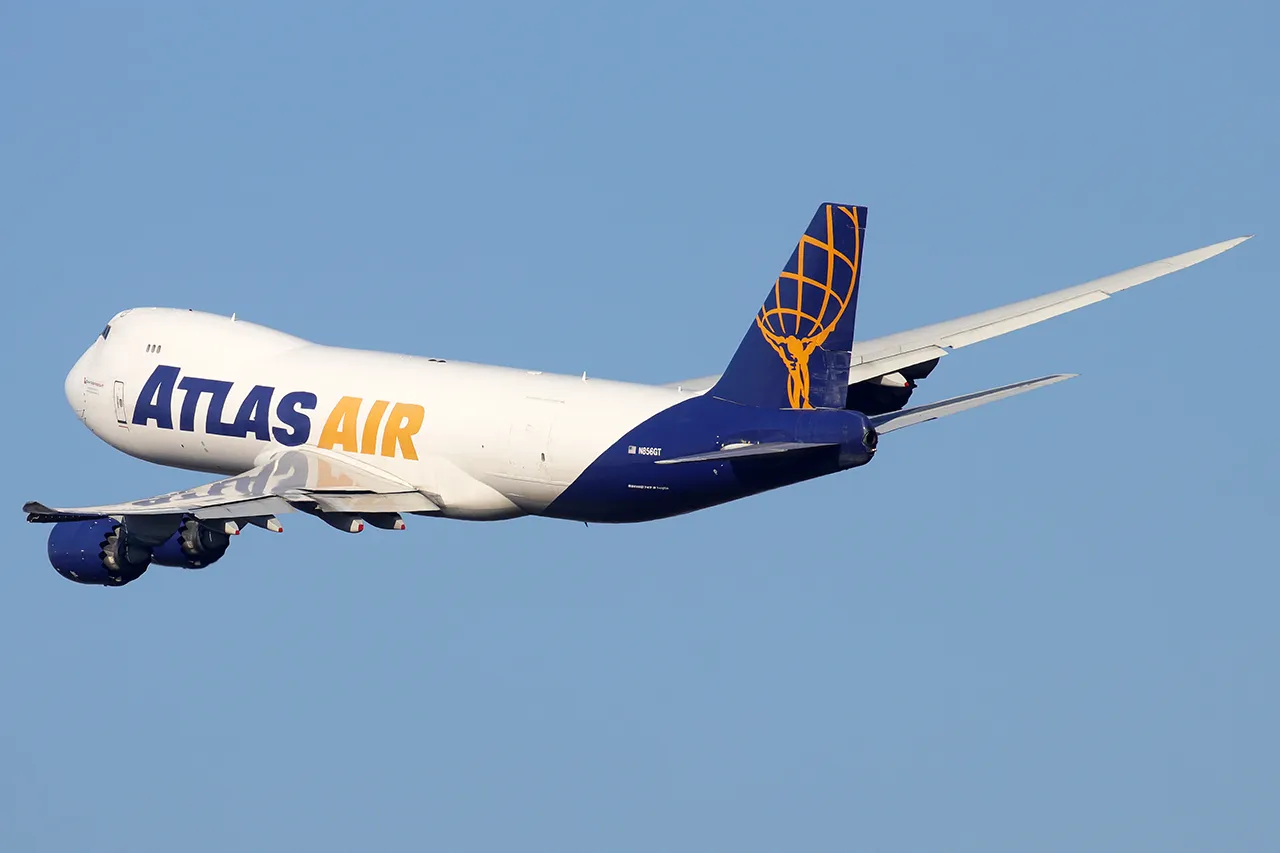
DALLAS — Atlas Air (5Y) taking a 49% stake in Air Atlanta (CC) seems to be a response to a cargo market that is tightening quickly and a global network that is shifting in ways the industry can no longer treat as temporary.
A market sending mixed signals
Atlas announced the deal on the same day that the International Air Transport Association (IATA) released its April 2026 cargo data, a timing that underscores the strategic intent. IATA reported a four percent rise in demand year over year, yet global cargo capacity slipped 0.4% and international lift fell 0.9%. Load factors climbed to 46%, up 1.9 points. The industry is carrying more freight with less physical lift, a structural squeeze rather than a short-term fluctuation.
IATA Director General Willie Walsh captured the moment when he said that “with dedicated freighters carrying much of the growth, air cargo is once again keeping supply chains moving amid trade disruptions.” That line signals a market leaning heavily on pure freighters rather than belly capacity to keep global trade connected.
The Middle East shockwave
The sharpest disruption is coming from the Gulf. Middle Eastern carriers saw demand fall 18.2% and capacity drop 22.9% in April. For a decade, the region’s hubs acted as the world’s cargo interchange. Now those arteries are constricted and freight is finding new paths.
The rerouting is clear in the data. Europe-to-Asia traffic grew 16.2% year over year, marking its 38th consecutive month of expansion. Intra Asia rose 13%. Africa to Asia climbed 12.8%. These are the lanes bypassing the Gulf entirely, and they are becoming the new backbone of long-haul cargo flows.
Why Air Atlanta fits the moment
Air Atlanta brings 14 widebody freighters and a European footprint that has become strategically valuable. The company is based in Iceland, with a second operating platform in Malta, placing it at the intersection of transatlantic flows and the fast-growing Europe-to-Asia corridor.
It also operates in the ACMI segment, which stands for Aircraft, Crew, Maintenance, and Insurance. ACMI allows airlines to add capacity quickly without owning the aircraft. In a world of rerouted networks and unpredictable demand, ACMI has become the industry’s pressure valve. A carrier facing a sudden surge on a Europe-to-Asia lane can plug in a 747F or 777F without taking on long-term asset risk.
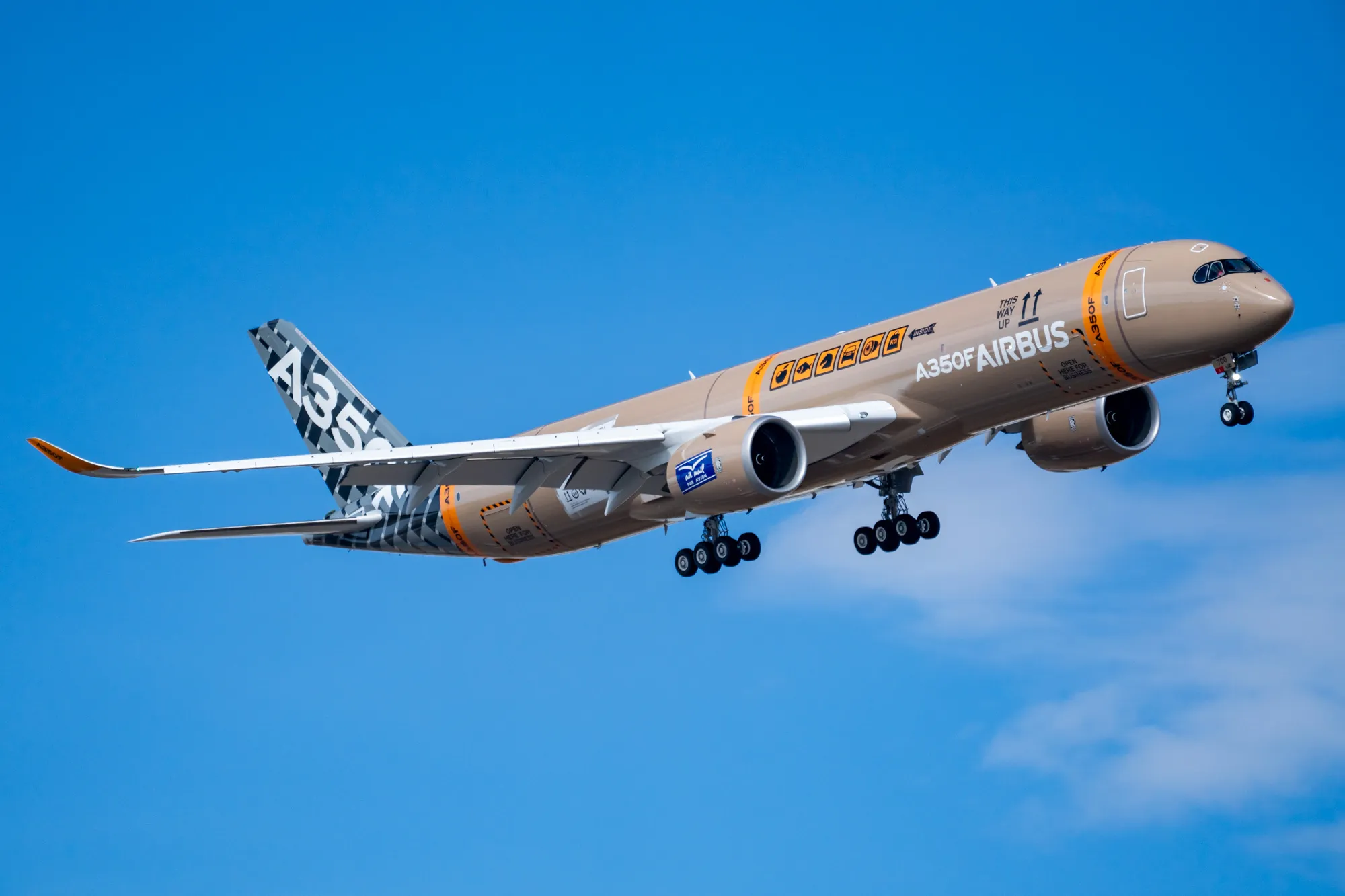
Atlas Air CEO Michael Steen described the widebody freighter market as “structurally constrained.” He is not exaggerating. New freighters take years to build. The 747 line is closed. The 777F backlog stretches out. The A350F will not arrive until 2029. Buying into Air Atlanta gives Atlas immediate lift rather than waiting for new metal.
Fuel prices add urgency
Jet fuel prices rose 121.1% year over year in April, with crude up 77.7%. That kind of spike changes the economics of ownership. Airlines become more cautious about taking on fixed assets when fuel volatility is extreme, and variable-cost ACMI capacity becomes more attractive.
IATA also noted that global trade slipped 2.1% month-on-month in March, a reminder that the macro environment remains fragile even as the PMI stays above 50. Flexibility becomes a strategic asset in that kind of climate.
A structural shift, not a one-off deal
The Atlas and Air Atlanta partnership reflects a broader shift in the cargo landscape. The Gulf-centric architecture that defined the past decade has shown its limits. The winners in the next phase will be operators with scale, dedicated freighters, and the ability to pivot quickly to high-demand corridors.
For shippers and forwarders, the message is clear. The era of abundant and cheap air cargo capacity is fading. Load factors are rising. Capacity is tightening. Geopolitical risk is now a permanent feature of the market.
Atlas Air and Air Atlanta are adapting to that reality. They will not be the last.
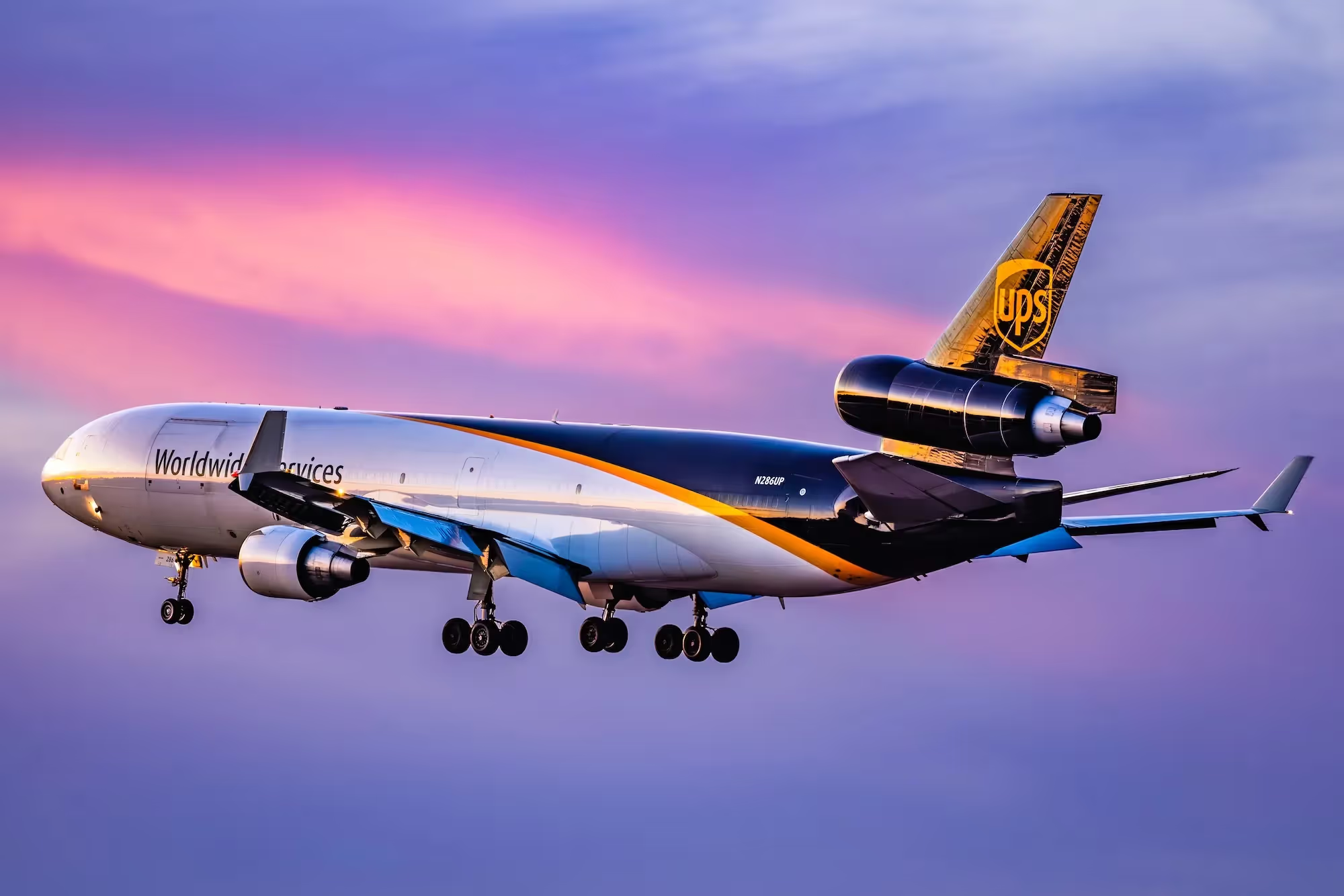
Featured image: Lorenzo Giacobbo/Airways



.avif)