United to Reduce Q2–Q3 Capacity by 5% Due to Jet Fuel Price Surge


.webp)

CHICAGO — United Airlines (UA) will reduce its planned capacity by approximately 5% in the second and third quarters of 2026. The airline will cut less-profitable flights, including red-eye routes, midweek frequencies, and lower-demand weekend services, in response to rising jet fuel prices driven by the ongoing Middle East conflict.
CEO Scott Kirby informed employees that the airline is “tactically pruning” its schedule to protect margins. He cautioned that crude oil could reach $175 per barrel and remain above $100 through 2027, which would more than double the carrier’s annual fuel costs.
What United is cutting
Kirby’s plan calls for:
- A reduction of approximately 3% in off-peak flights, including red-eyes and lower midweek demand,
- An additional reduction of about 1% at Chicago O’Hare (ORD), where the FAA is also urging airlines to decrease summer schedules to minimize congestion-related disruptions.
United expects to restore its full schedule in the fall. Kirby emphasized that the airline will continue to take delivery of approximately 120 new aircraft in 2026, including about 20 Boeing 787s, and will not pause growth investments.
Routes still suspended
United’s international network remains affected by the crisis, with flights to Tel Aviv (TLV) and Dubai (DXB) still suspended, according to Reuters.
Why fuel is driving the decision
The immediate challenge is not only oil prices but also jet fuel costs. Reuters reports that U.S. carriers are relying on strong demand and higher fares to offset these increases. However, United believes that certain routes are not economically viable when fuel prices remain high.
Aviation Week noted that United’s response prioritizes profitability. The airline prefers to leave some demand unmet rather than operate routes that do not cover their costs under current fuel price assumptions.
What passengers may notice
For travelers, these reductions will typically result in:
- fewer overnight options on certain city pairs,
- fewer midweek frequencies, and
- reduced seat availability on marginal routes, especially outside peak travel periods.
United’s core message is that demand remains strong, but higher fuel costs have changed the network’s economics. The airline will operate fewer, fuller, and higher-margin flights until market conditions stabilize.
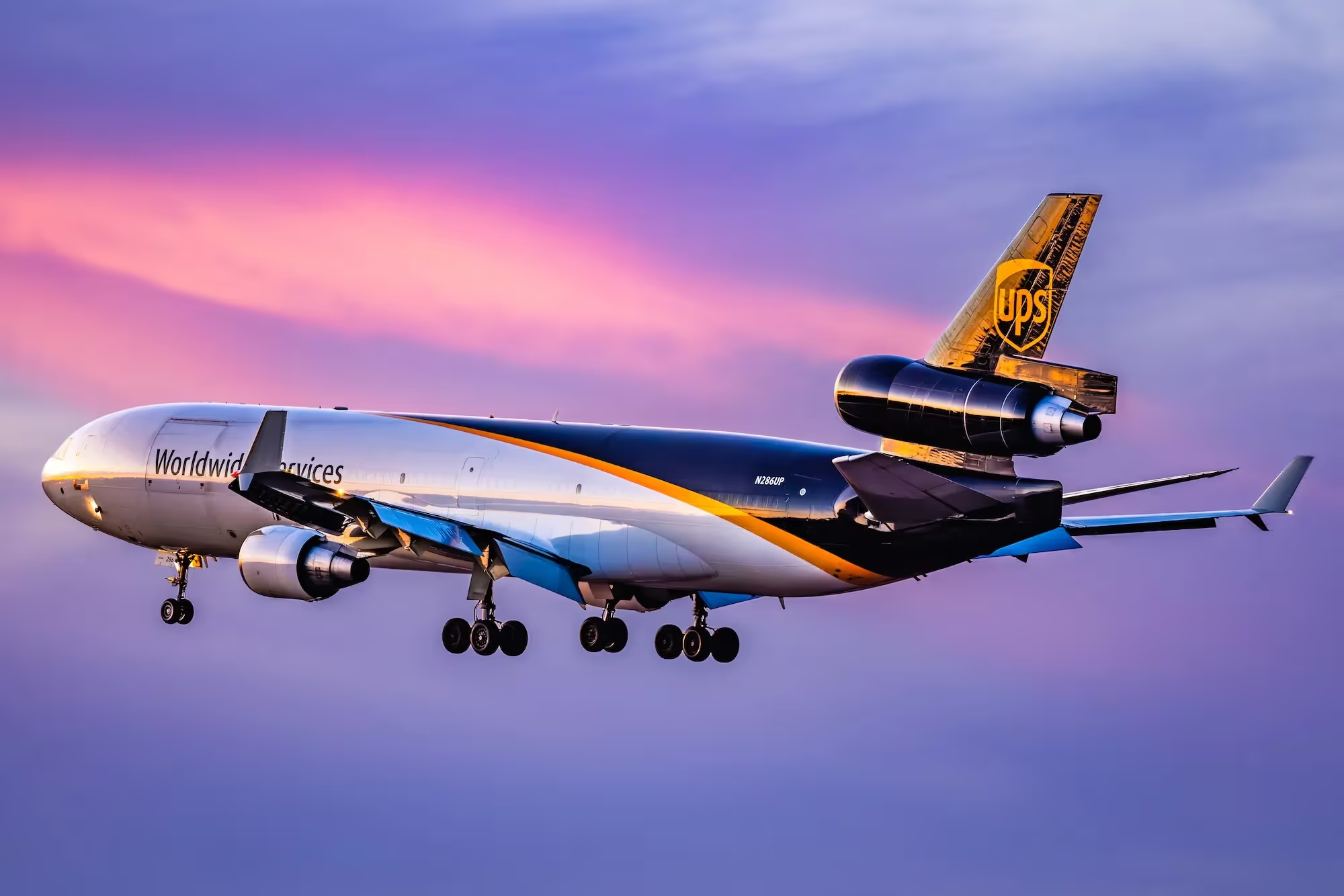
Featured image: Rohan Ramalingam/airways



.avif)