Two Airlines, Same Destination, Same Departure Time: How Does That Actually Work?



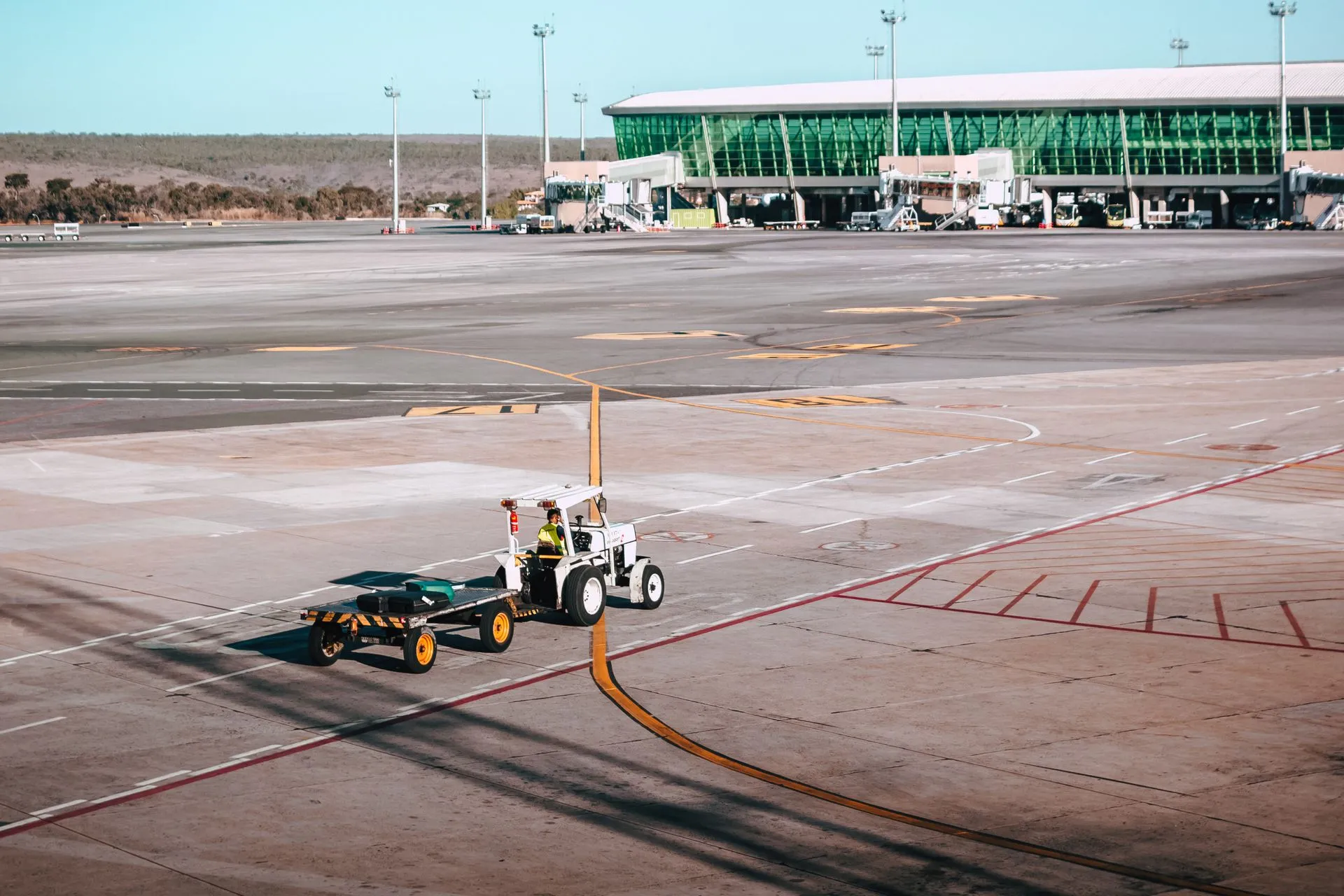
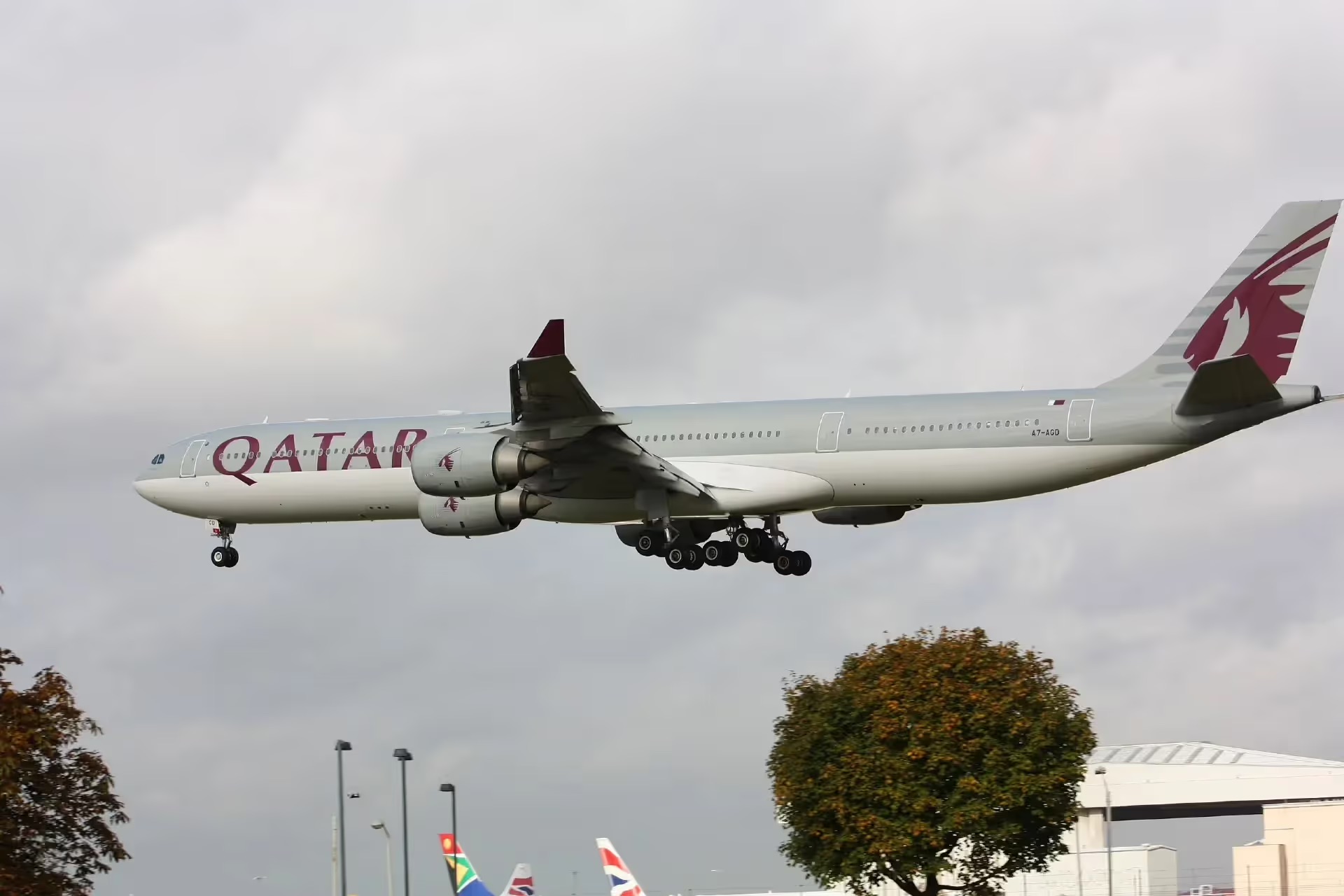
DALLAS — Two airliners can leave the same airport for the same destination at nearly the same published time without creating an operational conflict. Their schedules may match, but the airport does not send them to the runway as a pair, and air traffic control does not allow them to occupy the same airspace without separation.
That was the puzzle behind a recent r/aviation question from Milan Malpensa Airport (MXP), where a traveler saw Ryanair (FR) and Wizz Air (W6) flights listed for the same destination at almost the same time. The short answer is that the posted time, the moment an aircraft pushes back, and its actual takeoff time are three different operational events.
A Slot Is Not a Takeoff Clearance
At a coordinated airport, an airline needs a slot before it can schedule an operation. Italy’s aviation regulator, ENAC, defines a slot as permission to use the airport infrastructure for a landing or departure on a specified date and time; its list of coordinated airports includes Malpensa.
That permission matters because it protects capacity across the operation: runway access, stands, terminal handling, and the rest of the airport system. But it does not reserve a particular position in the live runway queue. IATA describes slot coordination as the advance allocation of scarce airport capacity for a scheduling season, conducted under neutral and non-discriminatory rules. The coordinator manages capacity, not which airline should win a same-route race.
Airlines then build their own timetables around the slots they hold. Two carriers can independently conclude that a morning or evening departure is attractive for passengers, fits the aircraft’s daily rotation, or connects well with other flights. At a hub, connection banks can concentrate departures; at a point-to-point base, an aircraft’s preceding sector and crew schedule can be just as important. Those choices can produce similar times even when the airlines have no joint schedule.
The Published Time Is Only the Starting Point
For a passenger, a timetable might show both flights at 10:00. On the day, their turnarounds will almost never be identical.
One aircraft may arrive late. Another may finish boarding first, wait for baggage, need fuel, or be held because a tug or pushback route is unavailable. Weather, a gate conflict, a required maintenance check, and airspace-flow restrictions can also move the operational sequence.
At airports using Airport Collaborative Decision Making, the airline or ground handler provides a Target Off-Block Time (TOBT): the estimate of when the aircraft will be ready, with doors closed, the bridge removed, and pushback equipment available. EUROCONTROL uses that information to improve predicted departure and target takeoff times across the airport and wider network.
TOBT is still an estimate, not a clearance. An aircraft that is ready early can wait; one that is ready later can lose its place. The live sequence is shaped by the runway in use, taxiway congestion, aircraft readiness, wake-turbulence requirements, air-traffic-flow restrictions, and the controller’s need to keep departures and arrivals moving safely.
Who Goes First?
There is no general rule that Ryanair, Wizz Air, a larger airline, or the flight with the earlier published departure time automatically goes first. The aircraft that receives clearance first may simply be the one that was ready and reached the relevant point first, but controllers can sequence traffic differently when runway capacity or safety requires it.
EUROCONTROL’s departure-management material describes the sequence as a real-time runway-capacity problem, with readiness data helping airports and controllers reduce unnecessary taxi queues. The goal is not to preserve the order printed on an airport board. It is to use the runway efficiently while complying with separation and operational constraints.
On a single departure runway, the second aircraft may wait only a short interval. The interval can be longer when aircraft size, wake turbulence, an intersecting runway, an arrival, or a traffic-management restriction requires it. Airports with suitable parallel runways can handle more than one movement at once, subject to their local procedures.
They Do Not Compete for the Same Piece of Sky
The destination on a booking does not define an aircraft’s exact path after takeoff. Each flight has a filed and cleared route, an assigned departure procedure when applicable, and a clearance that can change with weather, airspace demand, or traffic.
Even when two aircraft initially follow the same departure route, ATC can keep them apart by time or distance, assign different altitudes, use different routes or vectors, and adjust speed. The FAA’s IFR guidance describes the basic tools as vertical, longitudinal, and lateral separation. A controller does not issue a clearance that would reduce spacing below the applicable standard.
That is why two flights headed to the same city can leave a few minutes apart and then become ordinary, separately managed flights. They may climb at different rates, fly different routings, enter different altitude bands, or remain spaced along the same general route. To a passenger they are competitors on one market; to ATC they are two individual flights in a carefully managed traffic flow.
What Passengers Should Take Away
A departure board is a commercial plan, not a live picture of the runway queue. Two airlines can sell flights to the same destination at the same time because schedules are built independently and airport slots govern planned capacity, not first place at takeoff.
Once boarding ends, the operating day takes over. Ground crews, airport systems, and ATC turn those plans into a safe sequence—one pushback, taxi clearance, takeoff clearance, and separated flight at a time.
Featured image: Lorenzo Giacobbo/Airways



.avif)