


EAST HARTFORD — Pratt & Whitney’s long-running geared turbofan recovery is increasingly becoming a test of maintenance, repair, and overhaul capacity rather than only engine design.
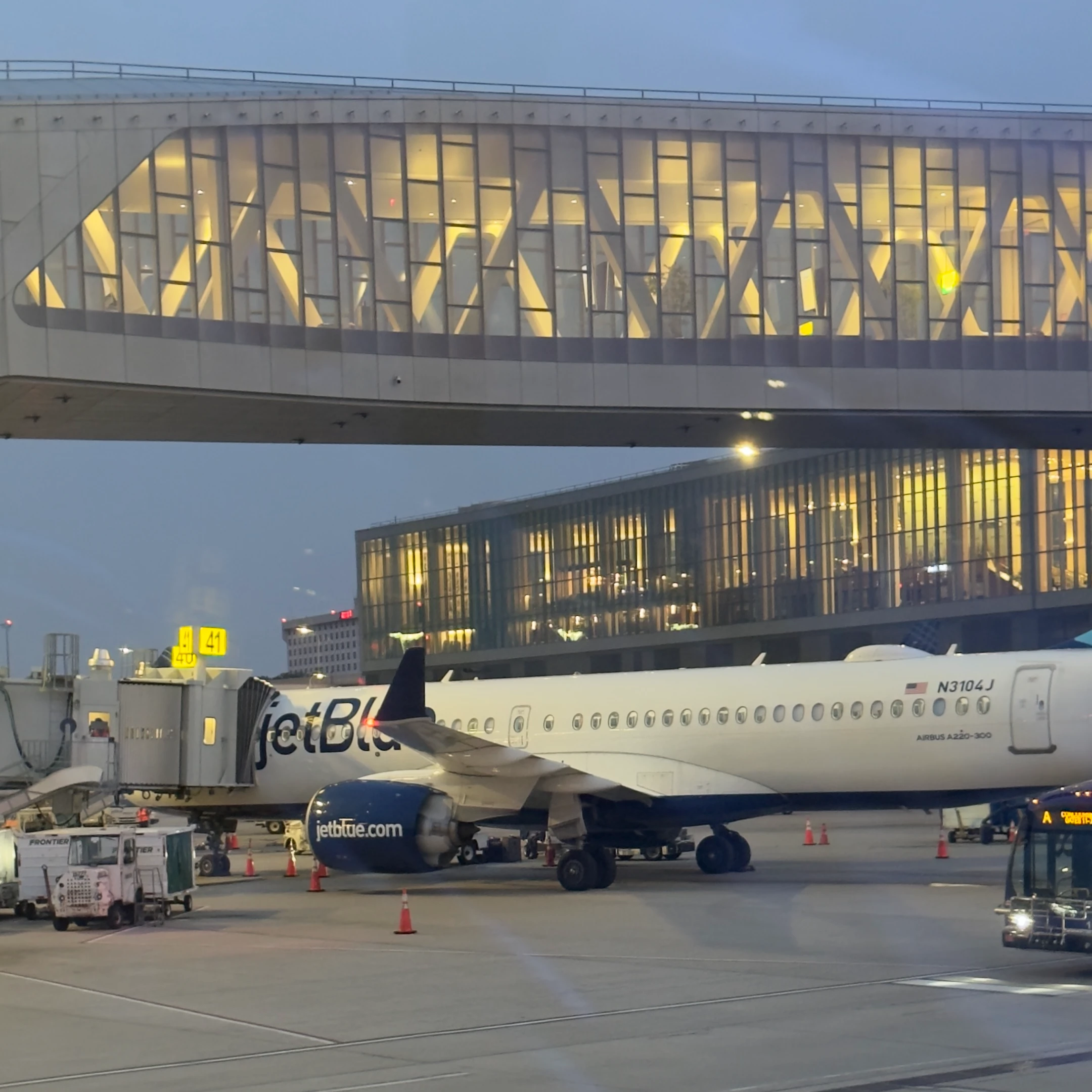
The RTX engine maker has spent years addressing durability and manufacturing issues across its GTF family, including the PW1100G engines used on Airbus A320neo-family aircraft, the PW1500G on the Airbus A220, and the PW1900G on Embraer’s E-Jet E2 family.
The latest and most disruptive issue stems from contaminated powdered metal used in production, which forced inspections and removals across parts of the GTF fleet. At the peak, around 650 GTF-powered A320neo-family aircraft were grounded, according to Leeham News and Analysis.
The Bottleneck Moves to the Shop
The central challenge now is not whether Pratt & Whitney can identify affected engines. It is whether the company and its partners can move enough engines through the repair system quickly enough to restore airline capacity.
Leeham reported that Pratt & Whitney has invested hundreds of millions of dollars in building, expanding, and licensing MRO facilities to work through durability problems affecting key GTF components. Those investments are critical because each grounded aircraft represents lost capacity for airlines already facing tight aircraft availability and delayed new deliveries.
Reuters reported last year that Pratt & Whitney had developed an additive-manufacturing repair process for GTF components aimed at cutting repair time by more than 60%, part of a broader effort to accelerate engine turnaround times and reduce pressure on the parts supply chain. Reuters also reported that Pratt & Whitney had agreements with MTU Aero Engines and Delta TechOps to expand GTF MRO capacity.
A220 and E2 Fleets Improve First
The smaller GTF variants appear to be recovering faster.
Scott Kreamer, Pratt & Whitney’s vice president of the PW1500G program, told reporters during an Airbus briefing that all affected A220s are expected to be back in service by the end of this year, according to Leeham. Embraer separately told reporters that the E2 fleet has returned to normal.
That leaves the A320neo-family fleet as the larger and more difficult recovery case. The PW1100G powers a much bigger installed base, and operators with heavy exposure to the engine have had to absorb aircraft groundings, schedule reductions, leased lift, compensation negotiations, and longer-term fleet-planning uncertainty.
One A320neo operator told Leeham that PW1100G issues are likely to remain a problem for another two or three years. Pratt & Whitney Commercial Engines President Rick Deurloo declined to confirm a timeline during a July 1 briefing, according to the report.
Why MRO Expansion Matters
For airlines, the GTF recovery is measured less by engineering milestones than by aircraft availability.
A durability fix does not help an airline unless an engine can get a shop slot, receive the right parts, complete the required work, and return to wing. That makes MRO capacity the practical limiter on recovery.
Pratt & Whitney has been adding capacity through its own facilities and partner network. The company has also been using repair-process improvements to reduce turnaround times. In practical terms, that means the recovery depends on a chain of constraints: shop capacity, labor, parts availability, test-cell access, logistics, and the ability to prioritize the highest-impact aircraft returns.
That is why the GTF issue has lasted so long. It is not one repair campaign; it is a fleet-wide industrial problem layered on top of an already stretched engine supply chain.
A Risk for Airbus Operators
The issue continues to matter well beyond Pratt & Whitney.
Airlines operating A320neo-family aircraft with GTF engines have faced lower aircraft availability, while Airbus has had to manage customer delivery expectations in a narrowbody market where demand remains strong and spare aircraft are scarce. CFM International’s LEAP engine, the alternative powerplant for the A320neo family, has also faced durability issues, but with a lower grounding impact, according to Leeham.
For Airbus, the GTF recovery affects the market perception of the A320neo-family backlog, even though the airframe itself remains in heavy demand. For airlines, it affects schedules, utilization, growth plans, and the cost of replacement capacity.
The Bigger Picture
The GTF was designed around a strong operating promise: lower fuel burn, lower noise, and improved efficiency through a geared architecture. That promise still matters, particularly as airlines try to reduce operating costs and emissions.
But the past decade has shown that efficiency gains are only valuable if the engine can stay on wing long enough to deliver them reliably.
Pratt & Whitney’s expanded MRO network is therefore not just a support function. It is central to restoring confidence in the GTF program. The faster engines move through shops, the faster airlines regain capacity, and the faster the program can shift from crisis recovery back to normal operations.
Until then, the GTF saga remains less about future engine technology and more about today’s repair throughput.
Featured image: Alberto Cucini/Airways



.avif)