GOL Launches Rio de Janeiro–New York Flights With Wamos Air A330 Wet-lease


.webp)

RIO DE JANEIRO — GOL Linhas Aéreas (G3) is preparing to launch nonstop service between Rio de Janeiro/Galeão International Airport (GIG) and New York John F. Kennedy International Airport (JFK), marking the Brazilian carrier’s return to long-haul international flying.
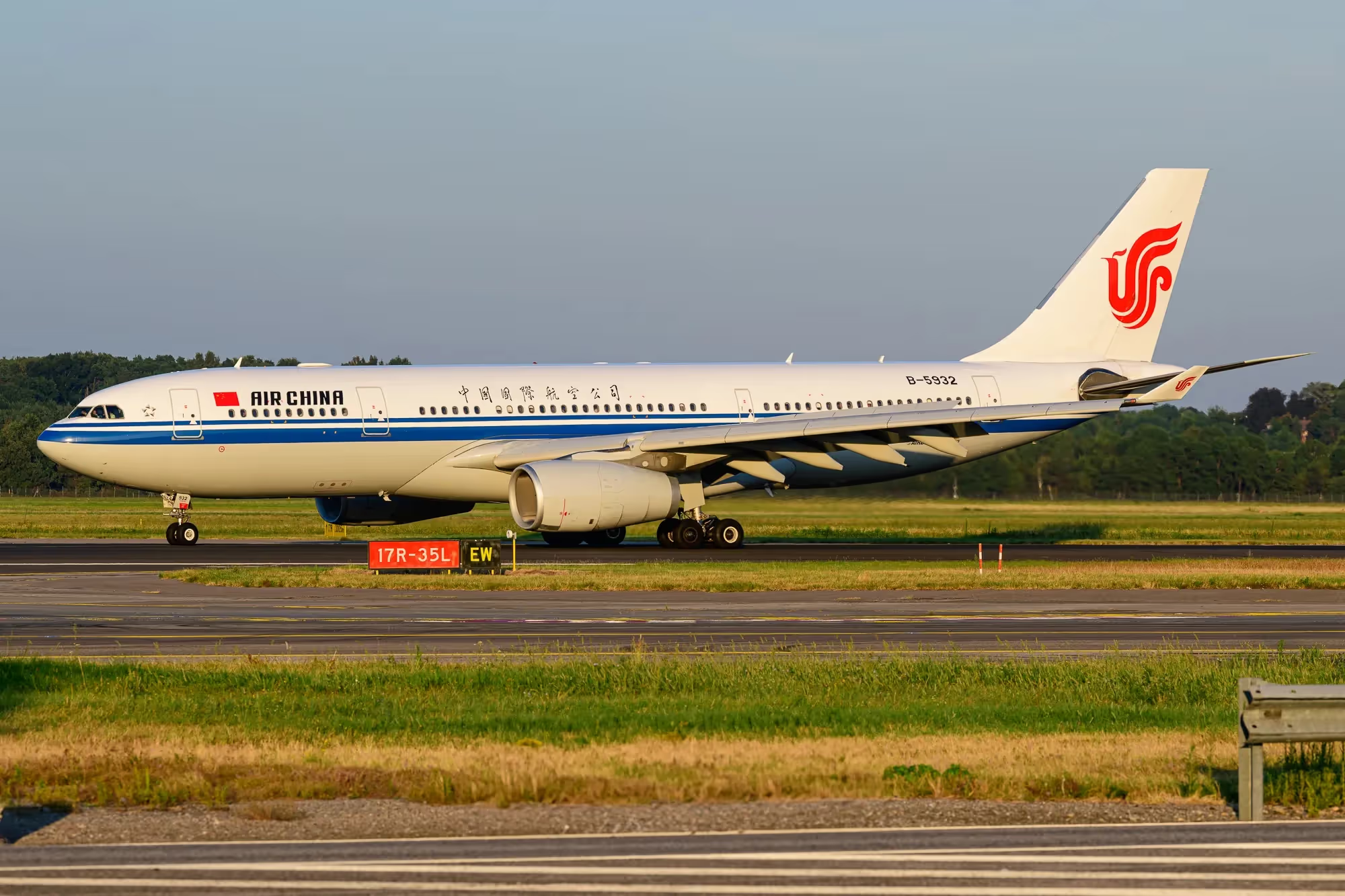
The new route is scheduled to begin on July 8 and operate three times weekly. GOL is using an Airbus A330-200 wet-leased from Spanish carrier Wamos Air for the initial operation, giving the airline widebody capacity while it prepares for the later arrival of its planned Airbus A330-900neo fleet.
A Wider Role for Galeão
The Rio–New York route is a significant strategic step for GOL, which has historically built its network around Boeing 737 short- and medium-haul operations.
By adding a widebody transcontinental service from Galeão, the carrier is positioning Rio de Janeiro as a stronger international gateway and testing a long-haul model that had largely sat outside its traditional low-cost and domestic-focused business structure.
The route also gives Rio a new nonstop link to one of the largest U.S. travel markets. GOL is selling the service for the July–October period, with flights from New York to Rio listed from July 8 through October 22.
A Bridge Toward A330neo Growth
The initial A330-200 operation is a bridge rather than the final fleet plan.
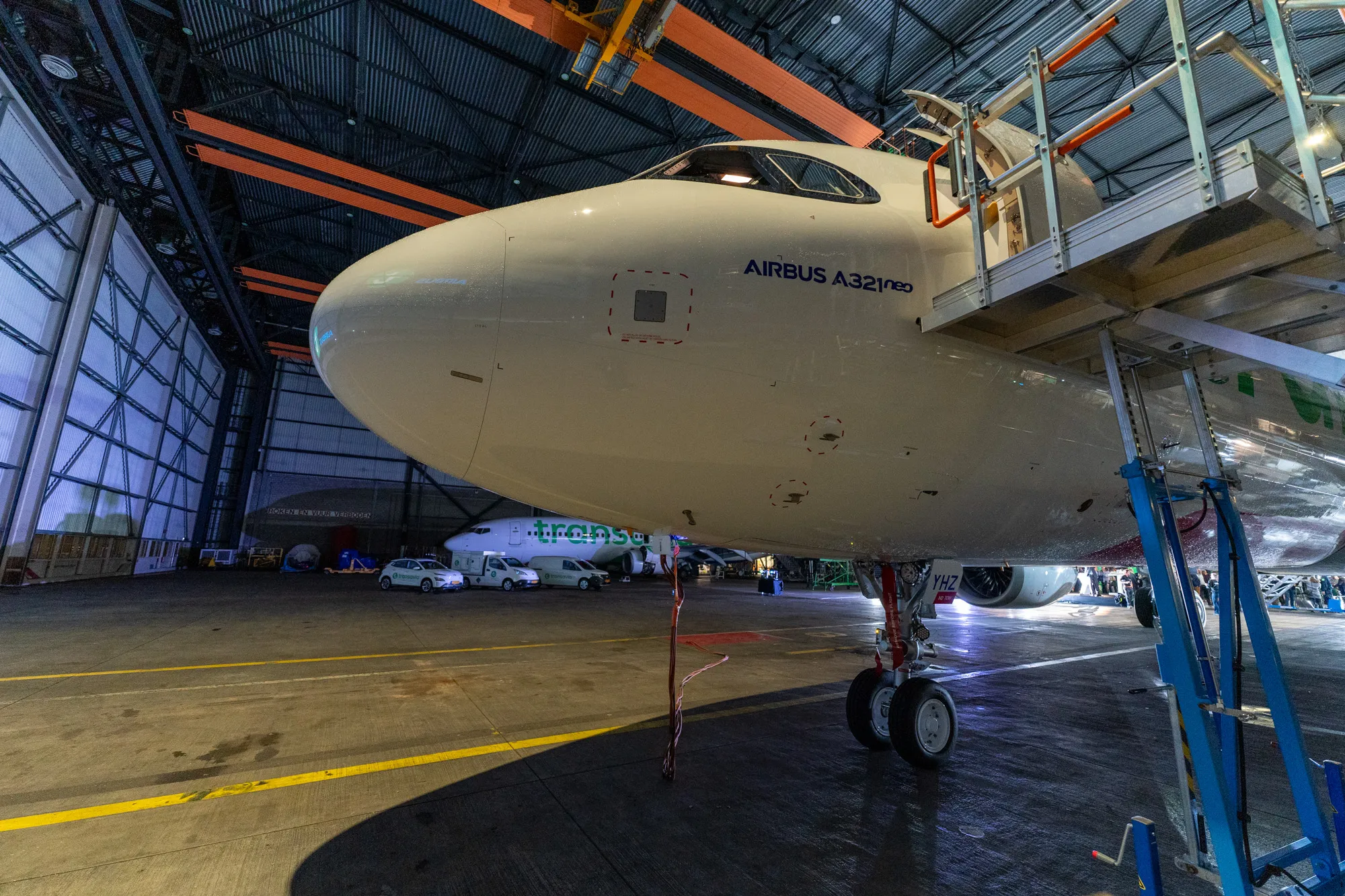
GOL and Abra Group previously announced a lease agreement with Avolon for five Airbus A330-900neo aircraft, with deliveries expected in 2026 and 2027. The aircraft are intended to support a broader international expansion strategy across the Americas and Europe.
Reuters reported in March that GOL planned to use Rio as the base for new widebody services, including New York, Lisbon, and Paris. The New York route is the first visible step in that plan, while additional long-haul markets will depend on aircraft availability, demand, slot access, and the airline’s ability to integrate widebody flying into a business model long centered on 737 operations.
A Strategic Departure
Operating long-haul flights changes the commercial and operational equation for the airline: widebody aircraft require different crew planning, maintenance support, sales strategy, premium-cabin positioning, and international distribution than the narrowbody network on which GOL built its brand.
The Wamos-operated A330 allows GOL to enter the Rio–New York market quickly while limiting the complexity of immediately absorbing its own widebody aircraft. But if the route performs well, it could help define the carrier’s next phase as Abra Group builds a wider international network around GOL, Avianca (AV), and future A330neo capacity.
For passengers, the immediate benefit is straightforward: a new nonstop option between Rio de Janeiro and New York. For GOL, it is a test of whether one of Brazil’s largest domestic carriers can stretch its model into long-haul flying without losing the cost discipline that made it competitive at home.
Featured image: Rohan Ramalingam/Airways



.avif)