London City Airport Proposes 4.49° Approach for Narrowbody Ops


.webp)

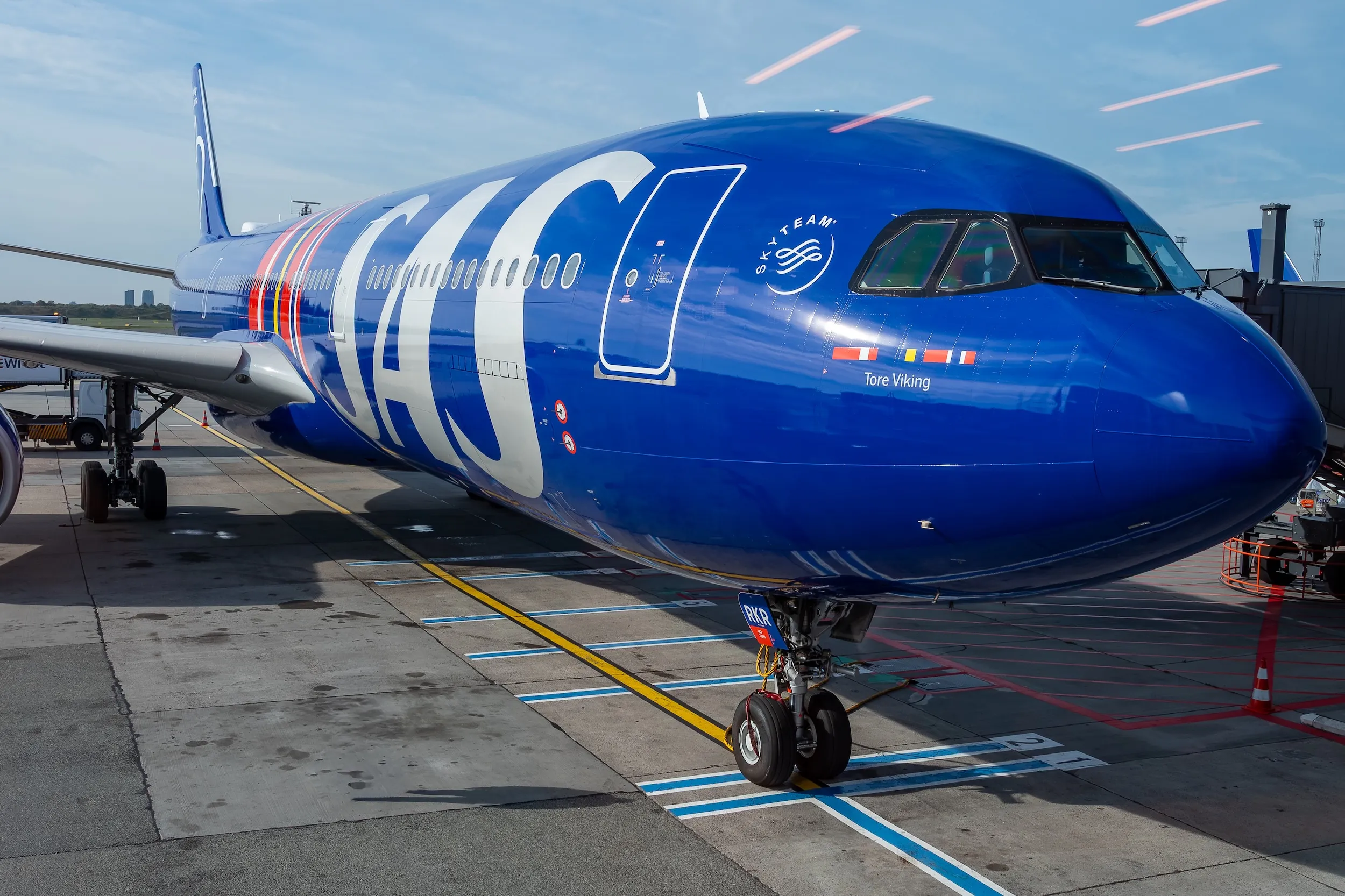
LONDON — London City Airport (LCY) has submitted a regulatory application to enable operations by larger Airbus narrowbodies, particularly the A320neo, by introducing a shallower 4.49° approach angle, replacing the current 5.5° profile.
If approved, LCY’s operator states the change would apply to both runway ends, potentially expanding the range of aircraft able to serve the Docklands airport while maintaining compliance with its constrained airspace and performance requirements.
Why glideslope angle matters
According to Skybrary, a glideslope, or glide path, provides vertical guidance for aircraft during final approach. On an ILS approach, ground equipment generates “above” and “below” lobes, allowing the aircraft’s receiver to indicate whether it is above or below the desired descent path.
The normal case: ~3°
Most commercial runway approaches use a 3° descent angle, which supports a stable energy profile for configuration changes, speed control, and manageable descent rates, while ensuring obstacle clearance. FAA training materials describe a typical glide path as a constant 3° to the touchdown zone, provided there are no obstructions.
Implications of steeper approaches at LCY
A steeper glideslope:
- increases the required rate of descent for a given groundspeed,
- increases pilot workload and places greater emphasis on stabilized approach gates,
- can constrain eligible aircraft to those certified for steep-approach operations.
The descent-rate rule of thumb illustrates this:
- 3.0° ≈ 5.3 × groundspeed (kt) in feet per minute
- 4.49° ≈ 8.0 × groundspeed (kt)
- 5.5° ≈ 9.8 × groundspeed (kt)
At a groundspeed of 140 knots, the approximate descent rates are:
- 3.0° → ~740 fpm
- 4.49° → ~1,120 fpm
- 5.5° → ~1,370 LCY’s proposed change from 5.5° to 4.49° is significant. While still above the standard 3°, it substantially reduces the steep-approach penalty, allowing aircraft not approved or not ideally suited for 5.5° approaches to operate at the airport.
What LCY is proposing and what happens next
According to Flight Global, LCY is seeking a 4.49° glideslope to replace the current 5.5° glideslope and has initiated consultations and a change to airspace procedures. The indicative implementation timeline is outlined in the 2026 planning materials.
If the regulator approves the change, key aviation considerations include:
- Procedure design & safety case: obstacle clearance, missed approach design, and approach protection (including any needed changes to arrival/departure tracks).
- Operational impacts: fleet eligibility, effects on payload and range into LCY, and potential changes in noise outcomes compared to the current steep profile.
- Airline planning: whether carriers can justify introducing A320neo-family aircraft at LCY instead of relying on smaller types optimized for the current approach profile.
Mini glossary
- ILS (Instrument Landing System): A ground-based radio system that provides precision guidance on final approach—localizer (left/right) + glideslope (up/down).
- Glideslope (Glide path): The vertical descent path to the runway (e.g., 3°, 4.49°, 5.5°). Steeper angle = higher required descent rate.
- Stabilized approach: A safety standard where the aircraft is on the correct path, at the right speed, fully configured, and with a steady descent by a defined altitude—if not, crews go around.
- RNP AR (Required Navigation Performance – Authorization Required): A high-precision GPS-based procedure that can enable tighter approach paths (often with curved segments) but requires specific aircraft/crew authorization.
Featured image: Luca Flores/Airways




.avif)