

.webp)
GURGAON — Pieter Elbers has resigned as CEO of IndiGo (6E), effective immediately, according to a company announcement dated March 10, 2026.
IndiGo stated that Rahul Bhatia, Managing Director and co-founder, will serve as interim leader until a new CEO is appointed, which is expected soon. Board Chair Vikram Singh Mehta said the interim change aims to “strengthen the Company’s culture, reinforce operational excellence and deepen its commitment to delivering exceptional service.”
Elbers’ departure follows intense scrutiny after a major operational disruption in December 2025, which resulted in mass cancellations as 6E struggled to comply with stricter pilot fatigue rules, according to Reuters.
Other outlets such as the The Financial Times reported that this incident revealed weaknesses in 6E’s highly optimized operating model during rapid market growth.
Elbers, former CEO of KLM, became 6E’s CEO in September 2022 and led the airline through a period of rapid expansion as India’s aviation market grew.
IndiGo said it will announce a permanent successor “in short order.”
December 2025 flight disruptions
In December 2025, India’s busiest airline scrambled to respond after mass cancellations and disruptions triggered one of the biggest operational crises in its history, affecting thousands of travelers nationwide. Over the period from 1 to 7 December, the carrier cancelled an estimated 5.86 lakh (586,000) bookings and processed refunds totaling ₹569.6 crore, equivalent to roughly US$67 million.
When expanded to the full disruption window, from 21 November to 7 December, the airline issued 9.5 lakh refunds totaling ₹827 crore (US$97 million).
IndiGo's baggage handling was also badly hit. Of roughly 9,000 checked-in bags separated from passengers, only about 4,500 bags were returned. 6E said it expected to deliver the remainder within the next 36 hours.
As of Monday, 8 December, 6E had scheduled 1,802 flights, covering 137 of its 138 destinations, yet still faced around 500 cancellations.
Under pressure from the Ministry of Civil Aviation (MoCA), the airline extended a complete waiver on rescheduling and cancellation charges through 15 December, emphasizing the urgent need to ease passenger inconvenience.
In a regulatory move, MoCA directed 6E to trace and deliver all baggage separated from passengers due to cancellations/delays to their residential or preferred addresses within 48 hours. 6E told regulators and the public that it expected to stabilize operations by December 10.
What went wrong
According to statements from the airline and aviation authority, the disruption stemmed from inadequate arrangements to meet revised staffing, duty-time, and rostering requirements under the new Flight Duty Time Limitations (FDTL) rules.
Previously, crew weekly rest period was 36 hours — but under the revised FDTL, it was increased to 48 hours, which strained crew availability and scheduling flexibility.
Though regulators later withdrew the policy amid the disruption, the lag in roster adjustments triggered cascading cancellations across the network.
Why the timing is raising questions
Market chatter, not confirmed: 6E has not suggested any political dimension to Pieter Elbers’ departure, but the abrupt timing has fueled speculation in Indian business circles that the airline may favor a CEO with deeper domestic and regulatory familiarity after the December 2025 disruption and subsequent scrutiny.
Elbers stepped down citing “personal reasons” and linked the timing to the fallout from last year’s mass cancellations and DGCA action, without characterizing the move as political.
Some industry observers also expect 6E's next permanent CEO to be India-based, reflecting the airline’s scale, regulatory environment, and operational complexity.
Separately, Reuters reported in January that Air India (AI) had begun exploring CEO succession options ahead of Campbell Wilson’s contract end date—suggesting leadership turnover could become a broader theme across India’s airline sector in 2026.
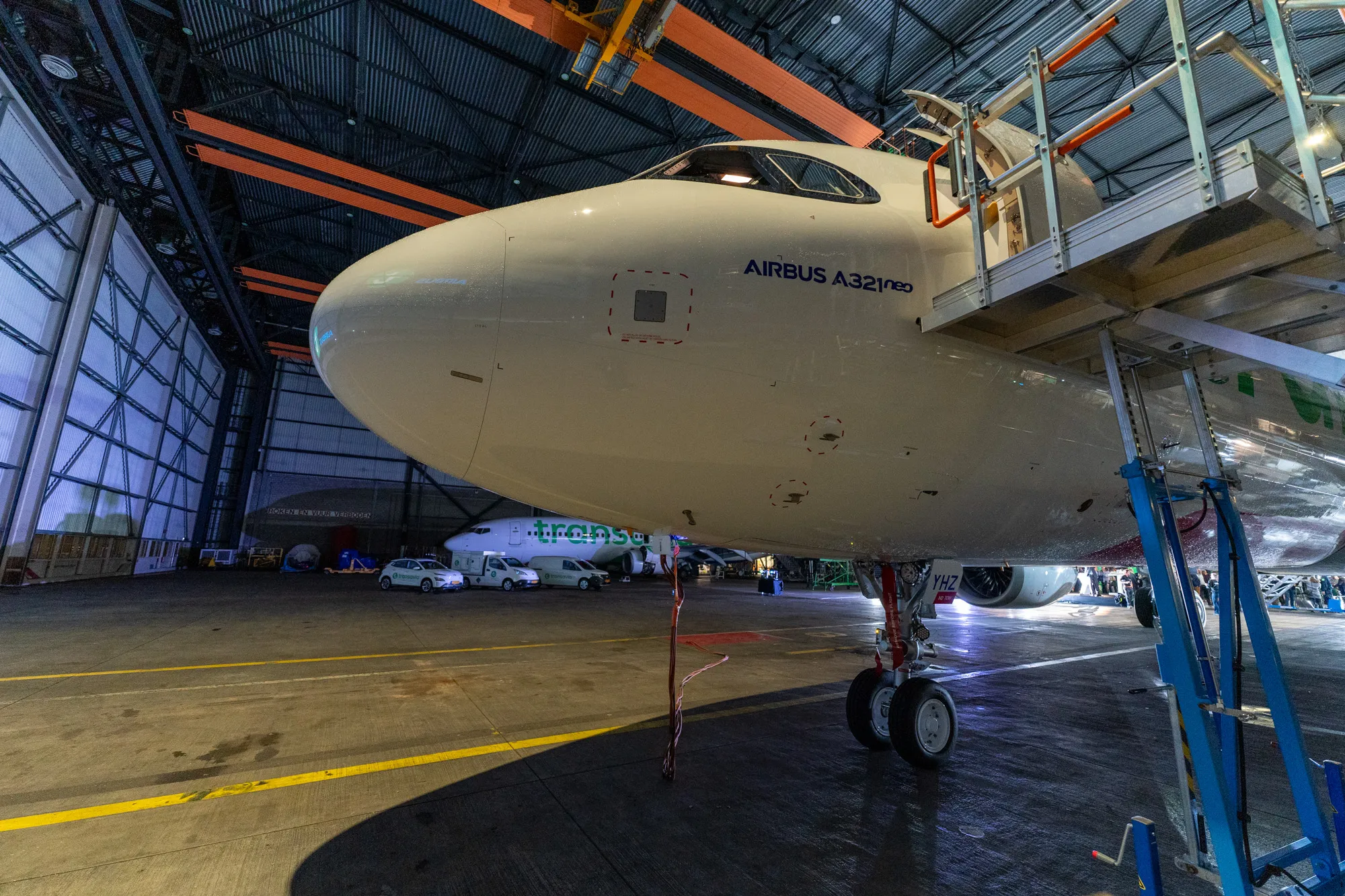
Featured image: Alberto Cucini/Airways



.avif)