

.webp)




DALLAS — Commercial aviation depends on far more than aircraft and airports. Every flight is supported by a wider network of ground transportation that moves passengers, cargo, and operational equipment. As global air travel continues to grow, integrated transport networks are becoming increasingly important for the aviation industry to operate efficiently.
Integrated transport systems link air travel with road, rail, and logistics infrastructure, creating smoother journeys and more efficient operations across the entire transport ecosystem.
Airports as multimodal transport hubs
Modern airports are evolving into multimodal transport hubs. Rather than serving solely as departure and arrival points for flights, many airports now connect directly with rail systems, highways, and regional transport networks.
These connections make it easier for passengers to travel between cities and airports while reducing congestion around airport facilities. Efficient transport links also allow airports to serve larger regions, increasing accessibility for travelers and businesses.
For commercial aviation, strong ground connectivity is essential to ensuring passengers can reach airports quickly and reliably.
Improving passenger connectivity
Integrated transport networks also improve the overall passenger journey. Air travel rarely begins at the airport; passengers must first travel from homes, hotels, or business locations.
When aviation is well connected to other transport services, passengers can move more smoothly between different stages of their journey. Coordinated transport systems reduce delays, simplify travel planning, and create a more seamless door-to-door travel experience.
Airlines and airports increasingly recognize that improving ground transport connections is an important part of enhancing customer satisfaction.
Supporting air cargo and logistics
Air cargo plays a vital role in global trade, particularly for high-value and time-sensitive goods. However, efficient cargo movement depends heavily on reliable ground transportation.
Integrated logistics networks allow cargo to move quickly between aircraft, warehouses, and distribution centers. When airports are connected to efficient road and freight systems, goods can transition smoothly between transport modes.
This level of coordination helps reduce delays, improve reliability, and strengthen aviation-dependent supply chains.
The role of ground vehicle transport
Ground transport providers also play an important role in supporting aviation operations. Vehicles used for maintenance, cargo handling, and logistics often need to be transported between airports, service facilities, and logistics hubs.
Businesses operating in aviation-related supply chains may rely on services such as car transporters in San Diego to move equipment and vehicles efficiently within broader transport networks.
These supporting logistics services help ensure that the infrastructure behind commercial aviation continues to operate smoothly.
Looking ahead
As global passenger demand and air cargo volumes increase, integrated transport networks will become even more important. Airports, governments, and airlines are investing in infrastructure that better connects aviation with surrounding transport systems.
By strengthening links between air, road, and rail transport, the aviation industry can improve efficiency, reduce congestion, and provide more convenient travel experiences for passengers.
Integrated transport networks are therefore not just a supporting feature of aviation; they are becoming a fundamental part of how the industry functions in an increasingly connected world.
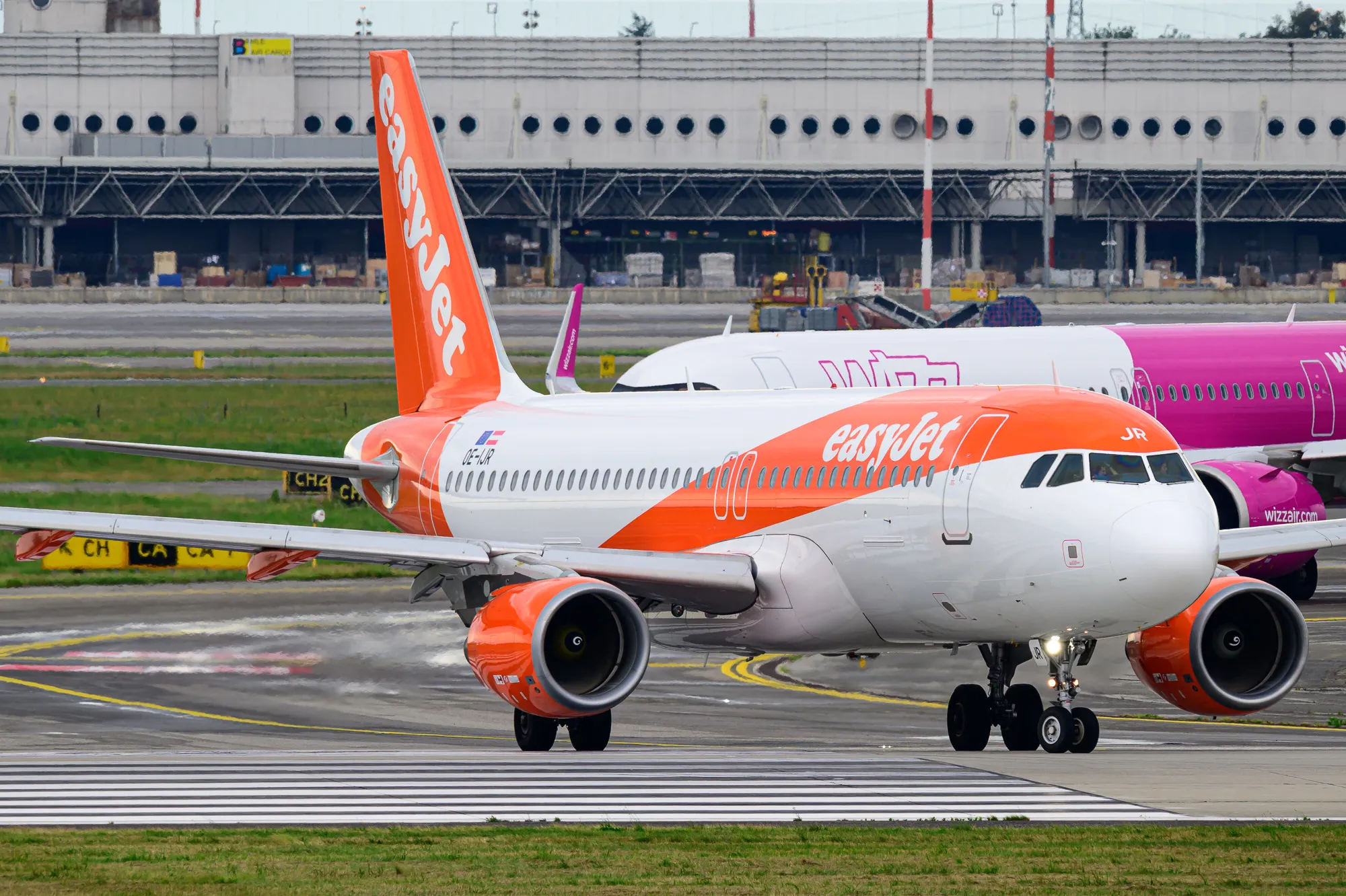
Featured image: Adrian Nowakowski/Airways




.webp)