



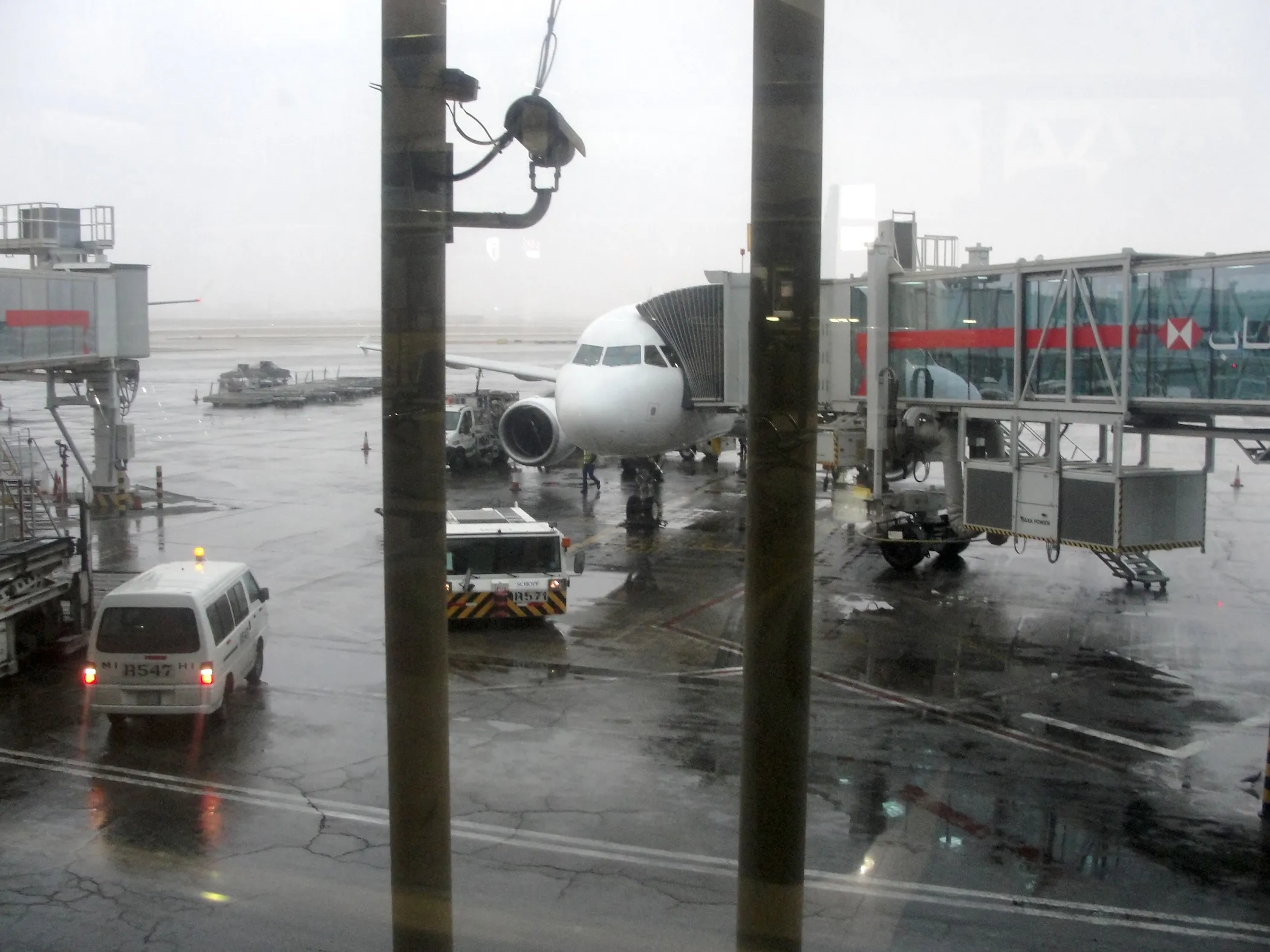




MADRID — Iberia (IB) has temporarily suspended its Madrid–Havana route, cutting direct service between Adolfo Suárez Madrid-Barajas Airport (MAD) and Havana’s José Martí International Airport (HAV) from June 1 through October 24, 2026.
The airline said flight to and from Havana during that period are cancelled and has activated flexible rebooking and refund options for affected passengers. Iberia is allowing eligible customers to change travel dates through October 25, 2027, shift travel to nearby alternative airports, including Miami (MIA), Panama City (PTY), Santo Domingo (SDQ), and Mexico City (MEX), or request a refund.
Iberia’s A330-200s operate the route with a 288-seat configuration, including 19 Business Class seats and 269 Economy seats.
Fuel shortage drives suspension
The suspension comes as Cuba’s aviation fuel shortage and broader energy crisis continue to affect airline operations. Aviation Week reported that Iberia cited Cuba’s “exceptional situation,” including jet fuel shortages and worsening operating conditions on the island.
Before the suspension, Iberia had operated three weekly flights between MAD and HAV and reduced the route to two weekly flights in May. The carrier said it plans to continue selling tickets from November onward, provided conditions allow the route to resume.
Not a full Madrid–Havana shutdown
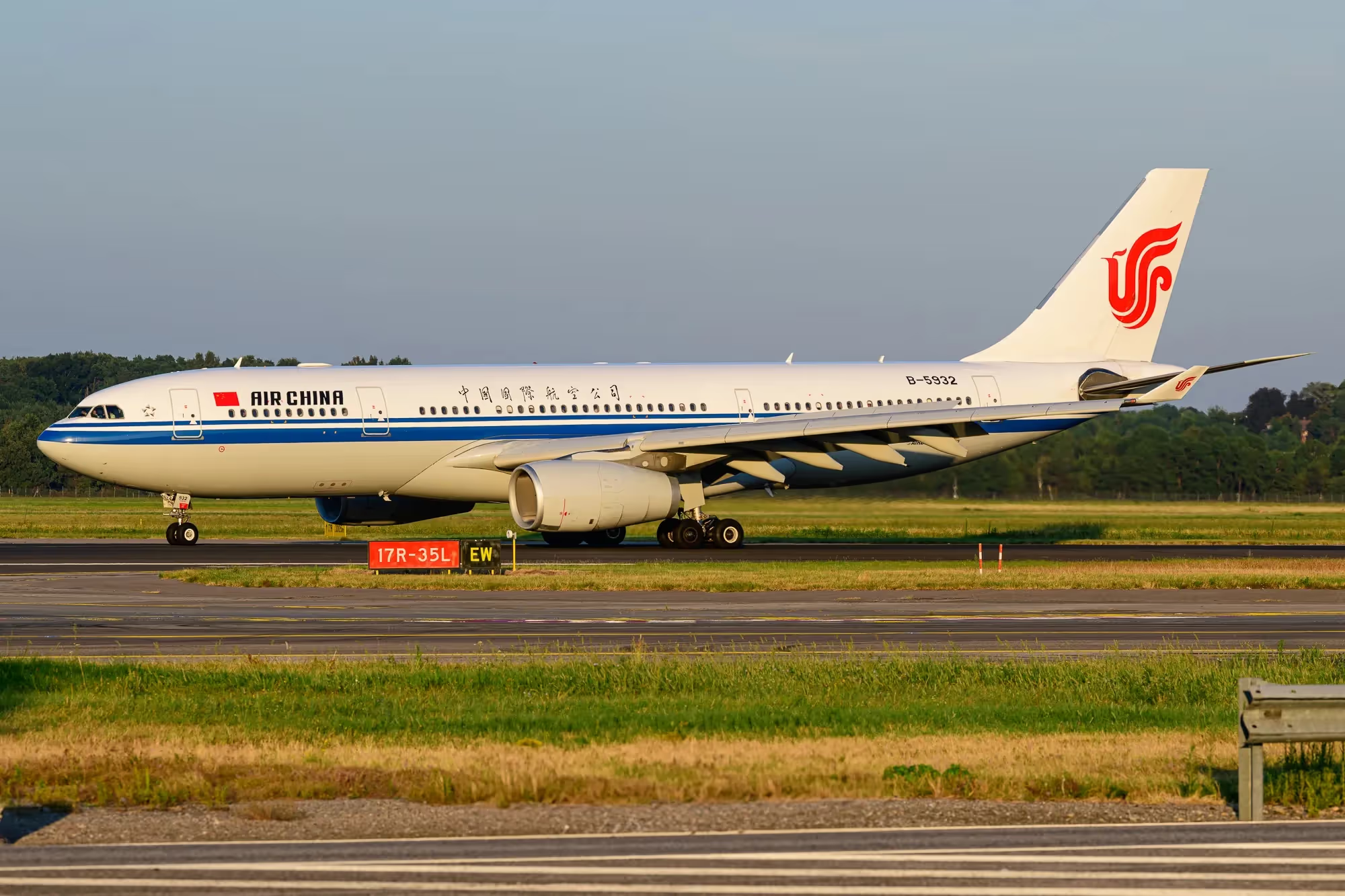
The move does not eliminate all direct flying between Spain and Cuba. Aviation Week reported that Air Europa (UX), Air China (CA), and World2Fly were still scheduled to operate MAD–HAV service, although the viability of that capacity remains uncertain if fuel constraints persist.
The operational challenge is not only demand. Airlines serving Cuba have faced refueling limitations, with some flights requiring technical stops outside the island to complete return sectors. AP reported earlier this year that Cuba had informed airlines jet fuel would not be available at nine airports, including Havana, during an initial fuel-crisis window.
Broader pressure on Cuba air service
Iberia’s suspension follows other airline reductions tied to Cuba’s fuel and economic crisis. AP stated that Air France (AF) suspended Paris–Havana service, while Air Canada (AC) also suspended Cuba flights as the island’s aviation and tourism sectors came under pressure.
For Cuba, the loss of Iberia service is significant because Spain remains one of the island’s most important European markets, with strong tourism, family, business, and historical links. For Iberia, the suspension reflects a route where operational reliability, weak demand, and fuel availability have made normal service difficult to sustain.
On the brink of disconnection?
Despite Iberia’s temporary suspension, HAV remains connected through Air Europa (UX) and Air China (CA) on the Madrid (MAD) market, while U.S. service continues through American Airlines (AA), Delta Air Lines (DL), and Southwest Airlines (WN).
however, this latest flight suspension to the island is not simply a seasonal route cut. Iberia’s MAD–HAV suspension shows how Cuba’s energy crisis has become an aviation operations issue, affecting fuel planning, passenger demand, schedule reliability, and airline risk calculations.
Iberia has not announced a permanent exit from Cuba. The route is suspended through October 24, with sales expected from November if conditions allow. But the decision adds another warning sign for Cuba’s international connectivity at a time when fuel shortages and economic pressure are already reshaping airline access to the island.
Featured image: Lorenzo Giacobbo/Airways




.avif)