FAA Reviews 737 MAX Flight-Guidance Software Issue as Boeing Seeks 737-10 Certification


.webp)
WASHINGTON — The U.S. Federal Aviation Administration (FAA) is reviewing an issue in updated flight management computer (FMC) software on some Boeing 737 MAX aircraft. Two U.S. airlines have told Boeing they will not accept new aircraft carrying the software, and the review comes as Boeing awaits certification of the 737-10.
In a statement to Airways, the FAA said it is aware of a potential issue in a software update for the flight computers on certain 737 MAX aircraft and is working closely with Boeing and the airlines. The agency said it "will convene a Corrective Action Review Board (CARB) and will take immediate action if it identifies a safety concern." According to the FAA, a CARB consists of FAA safety experts and is the agency's standard process for determining whether an issue is a safety concern and, if so, how to address it most effectively.
Boeing told operators in a bulletin in late August that the glitch is not an immediate safety issue, CBS reported. In a statement to Airways, a Boeing spokesperson said the company informed all 737 operators last month "about a software issue where pilots may not have access to automated flight guidance during a specific landing scenario" and "shared information with operators that reinforced existing pilot procedures for safely handling such cases." The spokesperson said Boeing's engineers are working on a software update to permanently address the issue. The Wall Street Journal first reported the problem.
How the Condition Occurs
CBS reported that the condition can arise in rare cases when the crew is flying a precision approach with the autopilot engaged, initiates a missed approach, or go-around, and then changes the preprogrammed flight plan. In that situation, the flight guidance system may incorrectly transition out of vertical navigation (VNAV) to a simpler pitch mode such as level change or vertical speed, according to Boeing's description of the problem reported by Aviation Week.
VNAV follows the vertical profile the FMC computes from the flight plan's altitude and speed constraints. Level change instead holds a target airspeed while the autothrottle sets climb or idle thrust, and vertical speed holds a rate of climb or descent the pilot selects. Neither mode follows the FMC's vertical path, so crews must manage those constraints themselves. CBS noted the scenario would typically occur close to the airport, where crew workload is already high, and Boeing said pilots must take additional steps to use automated guidance on the next approach.
Boeing said the autopilot continues to function if VNAV disengages and that pilots are trained to land without it. The company told CNBC it is "working directly with airlines to formalize a procedure that will allow pilots to reenable automated vertical navigation should this situation occur." Boeing told Airways it "anticipates the next software update in 2028" and is working to accelerate that timeline based on operator feedback. CBS reported that Boeing's initial bulletin also said updated pilot guidance would follow in November, and that Boeing is working to bring both forward.
Four U.S. Airlines Say In-Service Fleets Are Unaffected
The glitch surfaced in FMC software versions 14 and 14.1, CBS reported. Alaska Airlines (AS), American Airlines (AA), Southwest Airlines (WN), and United Airlines (UA) each told CBS that none of their in-service 737 MAX aircraft use the affected software. Southwest told CNBC that "none of our fleet is equipped with Version U.14, including new deliveries of Max 8 airplanes."
Those statements concern aircraft already in service. For new deliveries, Southwest and United have told Boeing they will not accept delivery of new aircraft with the affected software and would take aircraft with a previous version instead, CBS reported.
The fleet statements cover four U.S. carriers. CBS said it had also contacted Allegiant Air (G4), which operates the 737 MAX, for comment. Boeing told Airways it did not have specific aircraft figures to share, so it remains unclear how many undelivered aircraft carry versions 14 or 14.1, or whether any operator outside the U.S. already flies with them.
How the Issue Reached the FAA
An airline first told Boeing about the condition in November 2024, according to CBS. Boeing reviewed it and concluded in February 2025 that it was not a safety issue.
Boeing received what a source described to CBS as "additional information from operators" earlier this year, which prompted it to launch a formal safety review board. The Wall Street Journal reported that the formal review began in September, according to an Investing.com summary of the newspaper's report. The board's findings went to the FAA this month and will be reviewed by the CARB. Boeing told Airways that it informed the FAA of the issue as part of its safety review process and is working under the agency's oversight to complete the software update.
What It Means for the 737-7 and 737-10
The FAA certified the 737-7 on August 3. CBS reported that the aircraft was certified with software version 14 and that Southwest, which accounts for nearly all of the type's order book, had been set to begin receiving it this fall; it is unclear whether the airline will take delivery now. CNBC reported it was not immediately clear whether the 737-7 could be delivered or flown with an older software version.
The 737-10 used version 14.1 during its certification testing, according to CBS. Boeing completed the final planned certification flight in July, and Alaska Chief Operating Officer Jason Berry told Reuters on September 24 that the airline expected FAA certification by the end of September.
Aviation Week reported that it remains unclear whether the software issue will affect the timing of either 737-7 deliveries or 737-10 certification. The FAA's statement did not address either program. Alaska said on September 26 that it has been engaged with Boeing and the FAA "and will continue to work closely with both as they evaluate this matter and determine next steps."
Alaska holds an order for 105 737-10s and options for 35 more. In his September 24 interview, before the software issue was reported, Berry said Alaska expected its first aircraft in spring 2027 and passenger service between April and mid-May that year. He added that Alaska must complete certification work on the pilots' head-up display after the FAA approves the aircraft, a process he expected to take a "few months."
What Happens Next
The CARB will review Boeing's safety findings, and the FAA told Airways that the board will also review Boeing's proposed solution.
Boeing told Airways it had no further information at this time on whether 737-7 deliveries can proceed with an earlier software load, whether the fix will require pilot training beyond a software update, or what additional operator information prompted its formal safety review. The FAA's statement to Airways did not say whether the CARB must conclude before the agency certifies the 737-10.
Friday October 2 Update
FAA Statement
Following a thorough review, a panel of FAA safety experts on Friday determined a software issue in certain Boeing 737 MAX flight computers is not a safety concern. The FAA’s Corrective Action Review Board made that determination because pilots retain full control of the aircraft and the indications to the flight crew are clear and unambiguous.
As with any situation, the FAA will consider appropriate action if it receives new information about this issue.
BACKGROUND
- Boeing will issue a bulletin to airlines about how to recognize and respond to the situation should it occur.
- The FAA will also issue a Special Airworthiness Information Bulletin (SAIB) to both U.S. airlines and foreign regulators to ensure they’re aware of Boeing’s bulletin.
- A Corrective Action Review Board (CARB) is a standard FAA safety review process. It brings together a wide range of FAA safety experts to independently evaluate a potential safety issue. Today’s CARB included FAA experts from airframe, mechanical systems/flight controls, electrical/avionics, propulsion, flight test, the Aircraft Evaluation Division, and continued operational safety program managers and technical advisers.
- Before the CARB met, the FAA thoroughly reviewed Boeing’s technical analysis and safety assessment and conducted an independent analysis of those for the CARB to consider.
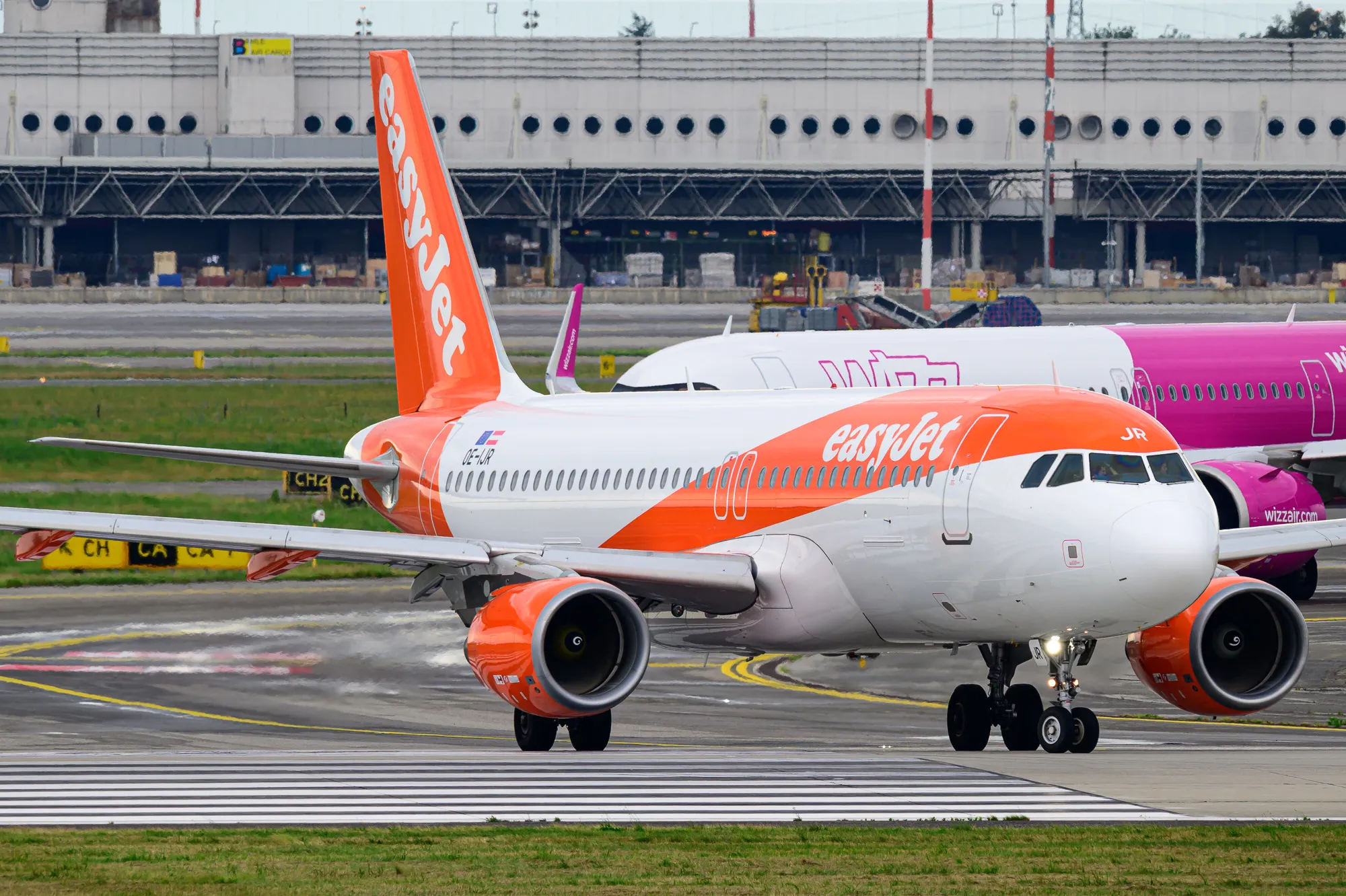
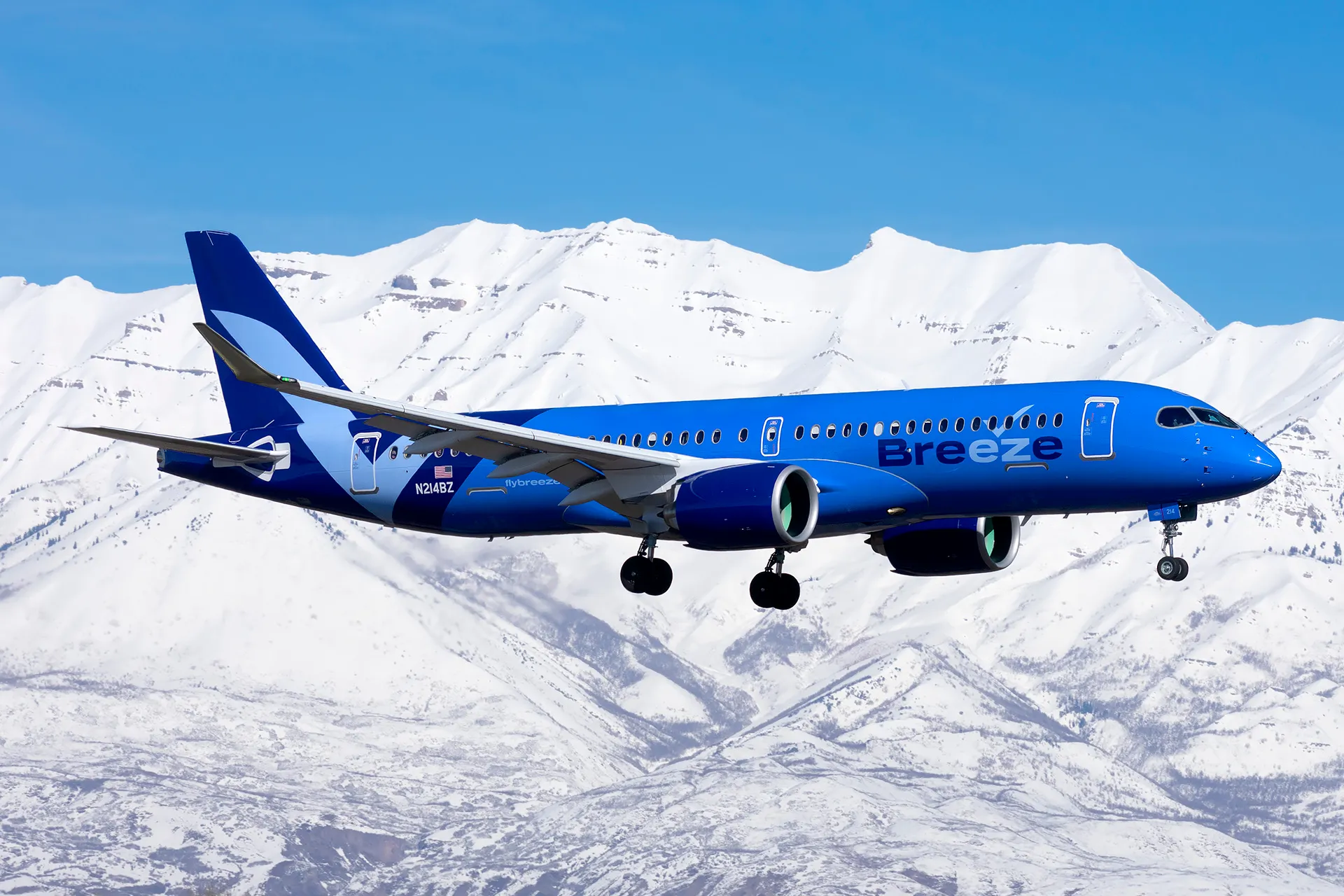
Featured image: Simone Chellini/Airways



.webp)