FAA Cuts SFO Arrival Rate to 36 Per Hour, Prohibits Side-by-Side Approaches


.webp)
SAN FRANCISCO — The FAA has implemented new safety restrictions at San Francisco International Airport (SFO), reducing the maximum arrival rate from 54 to 36 per hour. This decision follows a review of SFO’s parallel-runway operations and will significantly increase the likelihood of delays for airlines and passengers.
Key change: Side-by-side approaches in clear weather are no longer permitted.
The FAA now prohibits side-by-side approaches to SFO’s parallel runways in clear weather, iconic for the airport, even when pilots have the other aircraft in sight. Controllers must instead use staggered approaches, with one aircraft offset from the other.
The FAA clarified that side-by-side approaches were never permitted in poor weather; this new rule changes procedures for visual conditions.
While rare, simultaneous visual approaches may be allowed elsewhere if runways are separated by 2,500 feet or more, but the close-parallel approach has been highly restricted. At SFO, the change entails a permanent reduction in the airport’s achievable arrival rate.
Current impact: Runway construction combined with the new FAA restriction
San Francisco International began a constrained period this week with the closure of Runway 1 Right (1R/19L) for repaving and taxiway improvements. This project is scheduled from March 30 to October 2, 2026.
Prior to the FAA’s new restriction, SFO anticipated maintaining approximately 45 arrivals per hour during construction. With the new directive, the cap is now 36 per hour, resulting in increased holding, sequencing, and diversions during peak periods.
The airport previously forecasted that about 15% of arriving flights would be delayed. The revised estimate now projects that approximately 25% of arrivals could experience delays of 30 minutes or more under the new cap.
After runway construction concludes, SFO expects the arrival rate to increase to 45 per hour. However, this remains below the previous 54-per-hour benchmark due to the ongoing FAA approach restriction.
Airline impact: United and Alaska face the greatest exposure
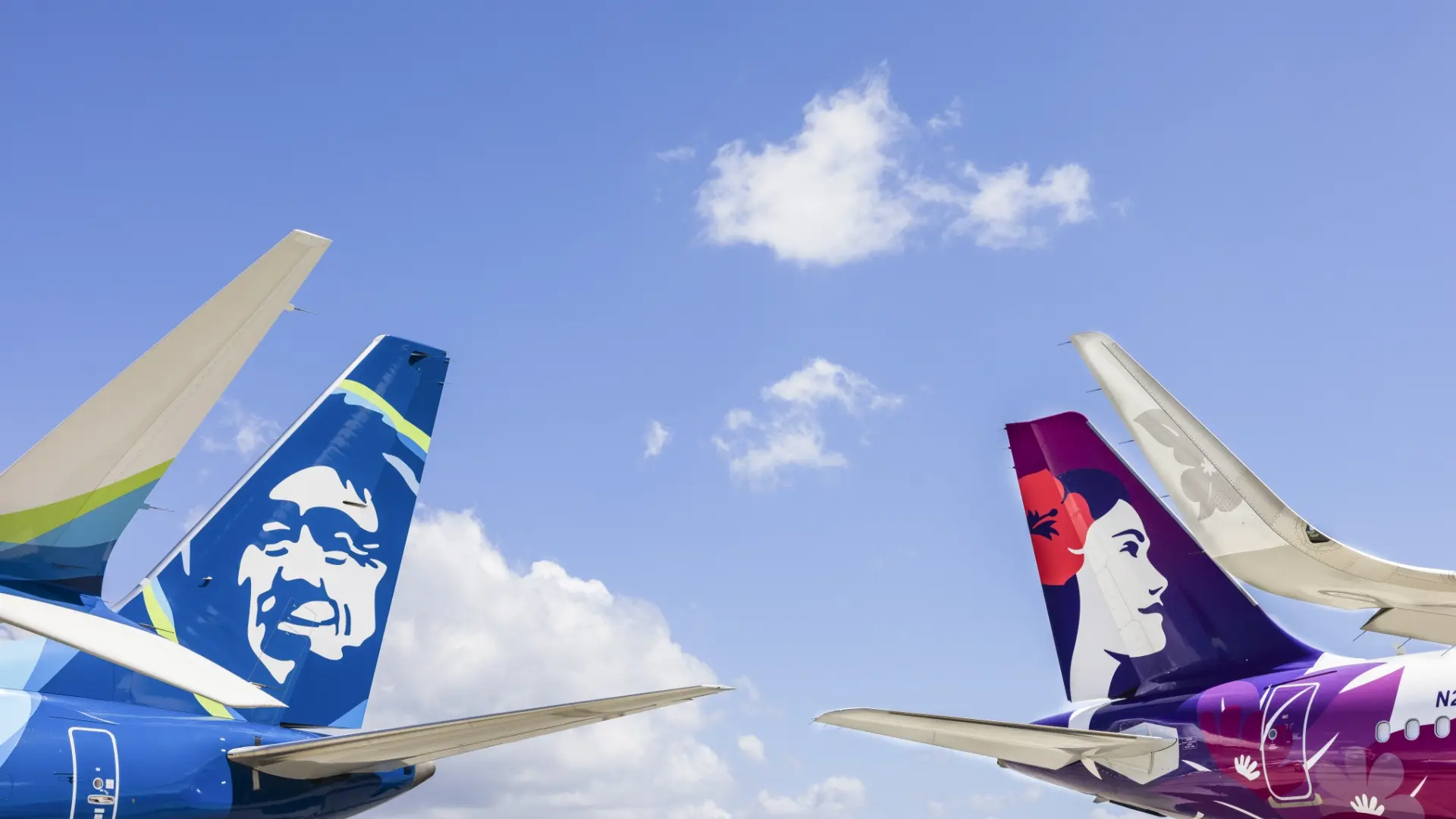
United Airlines (UA) and Alaska Airlines (AS) represent approximately 60% of SFO’s passenger traffic, making them most vulnerable to extended arrival constraints and related impacts across domestic and international operations.
In short, two factors are driving reduced capacity at SFO: a planned runway project and a new FAA safety limitation that alters parallel approach procedures, even in good weather.
As a result, there will be fewer arrivals per hour, increased airborne holding, and a higher likelihood of missed connections and late inbound aircraft, particularly during peak periods, until runway work concludes in early October.
Featured image: Francesco Cecchetti/Airways



.avif)