Designing the World’s Flying Brands: Edmond Huot on the Art of Aircraft Liveries


.webp)
.webp)
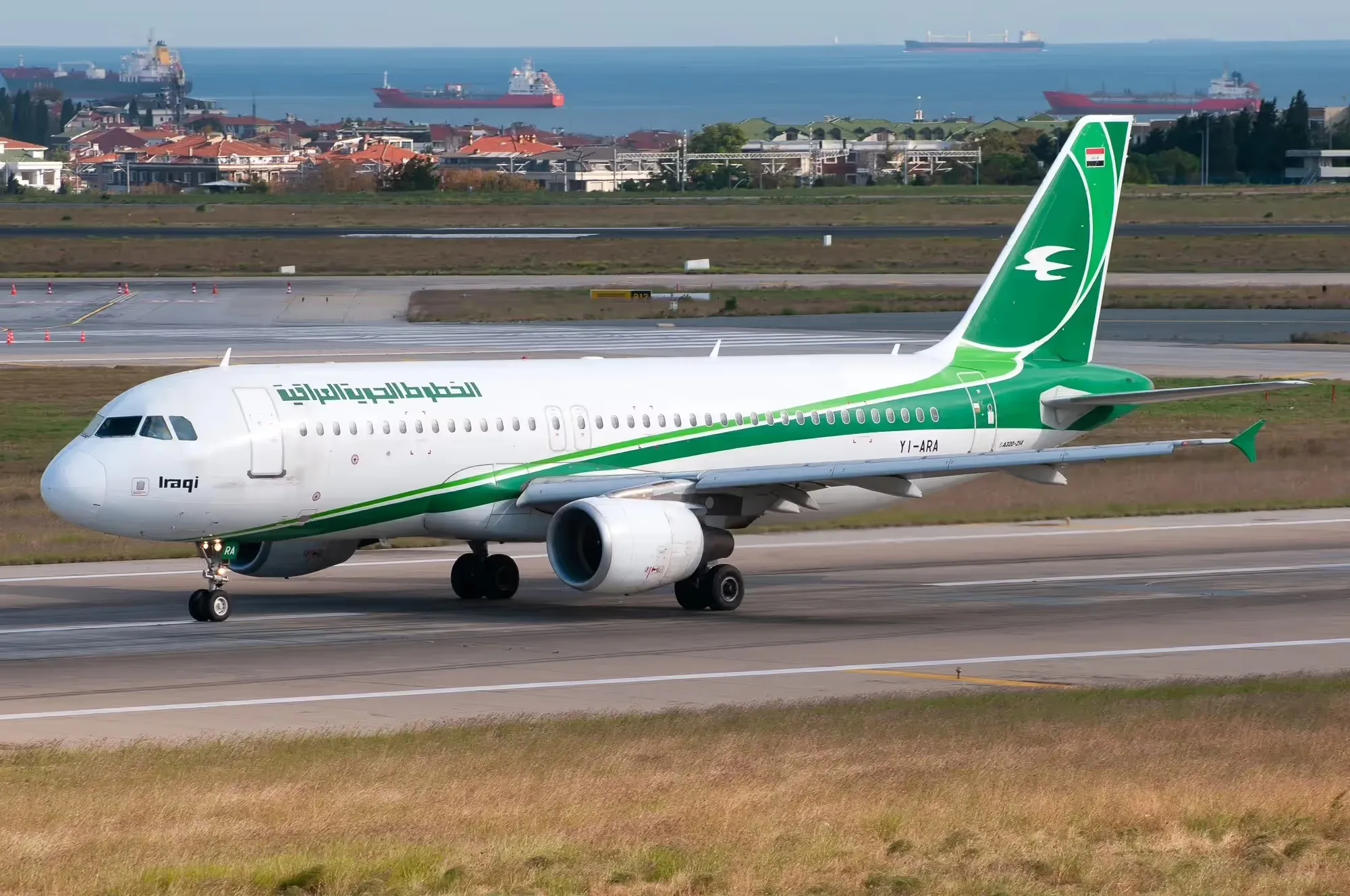
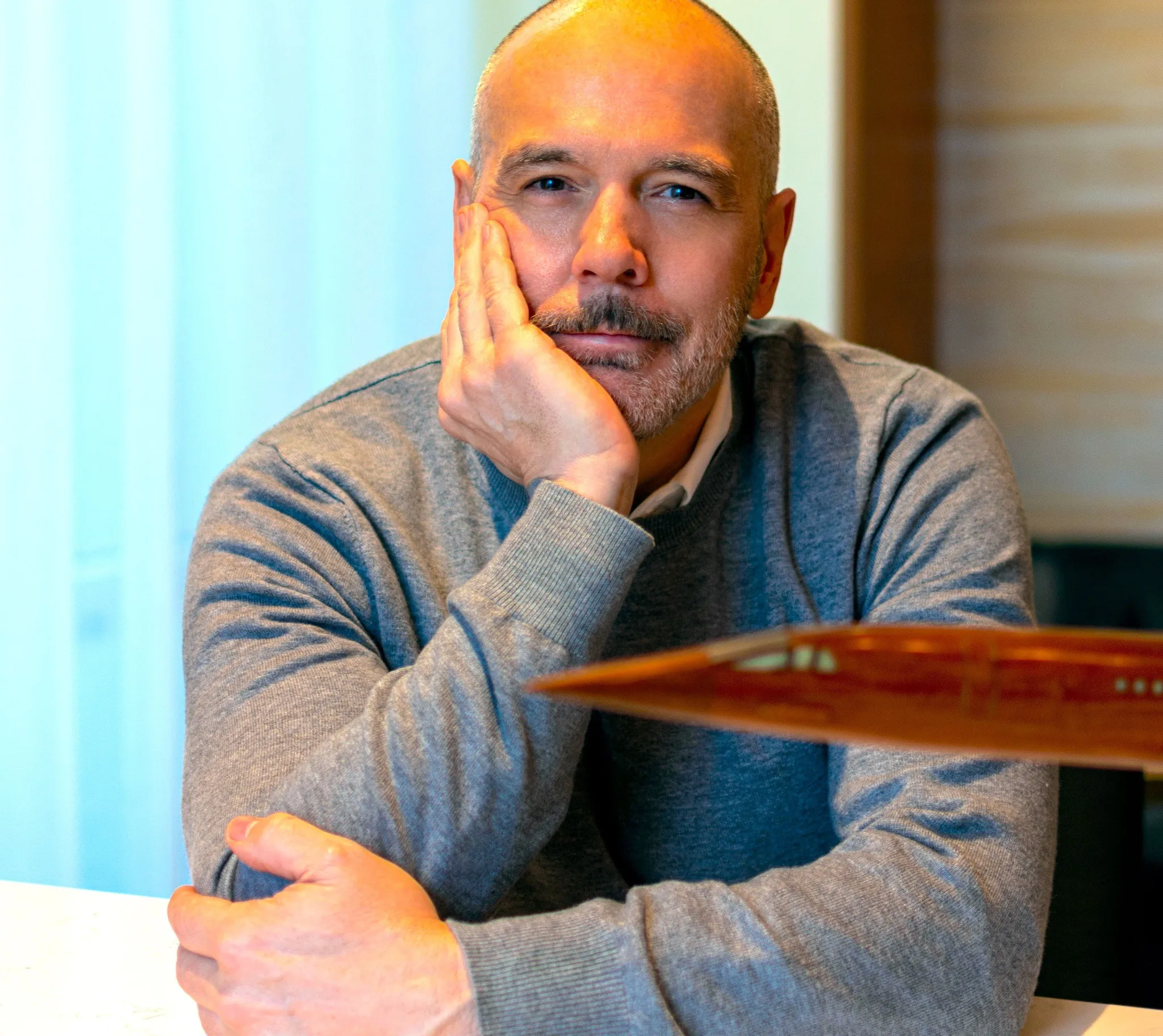
NEW YORK — Edmond Huot is a senior New York–based creative director and livery designer known for crafting aircraft liveries and identity systems that position airlines as powerful expressions of brand and culture. His work spans global aviation and aerospace companies and has been featured across major international media and design platforms. He has also been a proud jury member of the Webby Awards, Webflow's Awwwards, IDA, and FRAME Magazine Awards.
We sat down with Edmond to discuss what goes on behind the scenes in branding and design in the airline industry.
Airways: How did you get into aviation, and what was the initial start that led you to your current path?
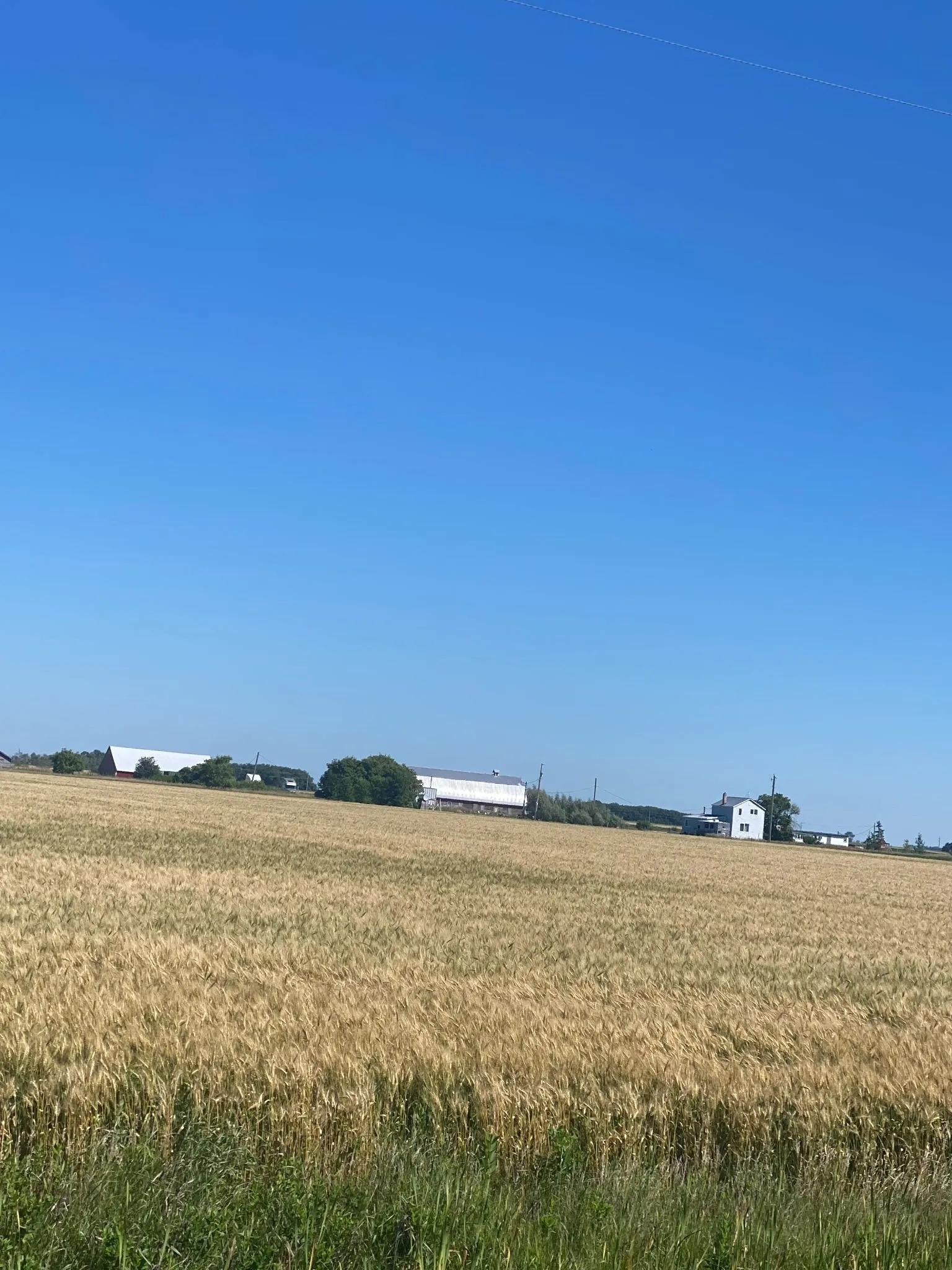
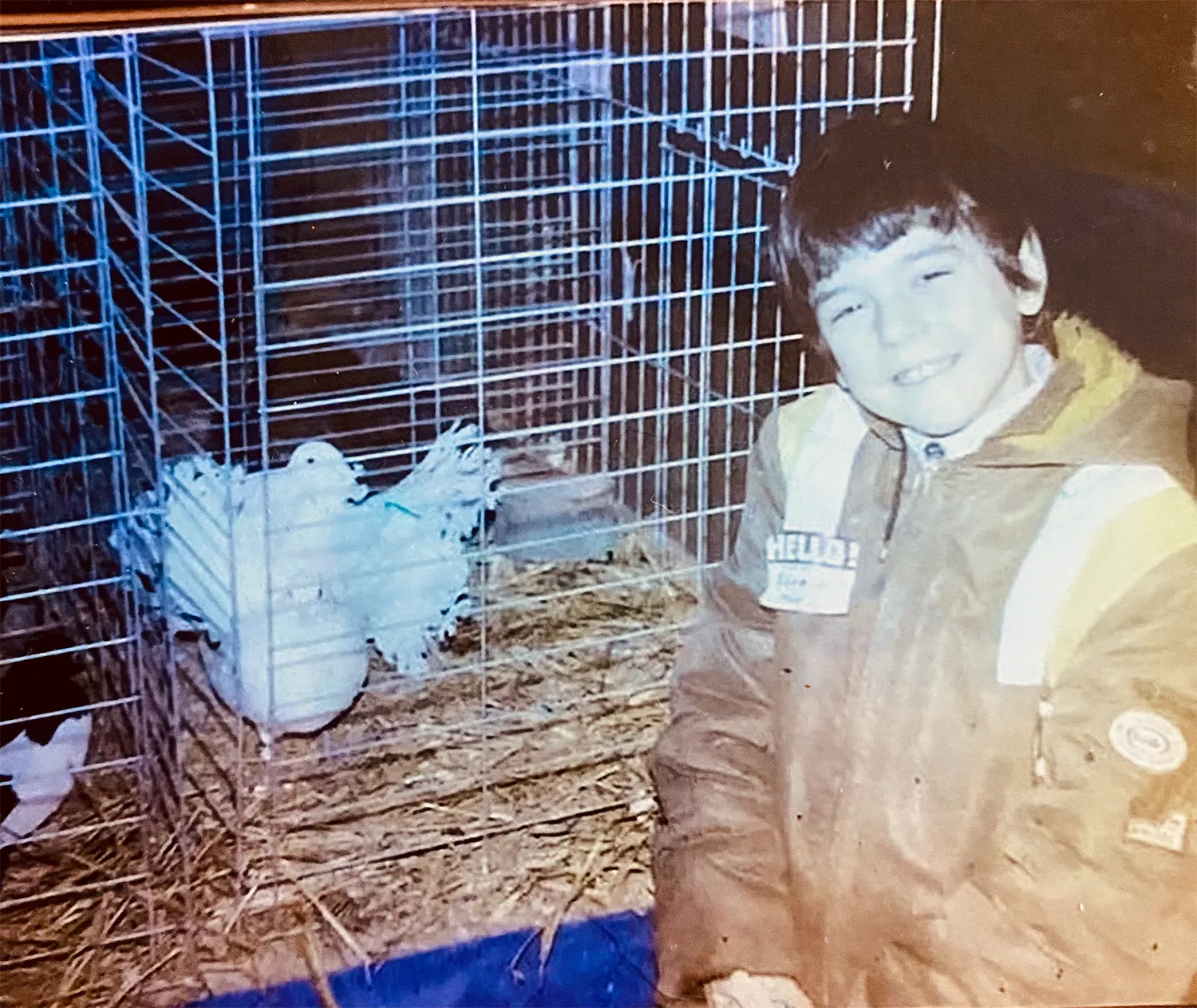
Edmond Huot: “I grew up on a farm in a rural part of Canada. As a kid, I was often incredibly bored because we didn’t have social media and didn’t even have a 7-Eleven nearby. Looking back, I think my creative instincts—my ability to draw and my sense of imagination—were cultivated through that absence of distraction.
I used to build model airplanes like 747s and DC-10s, and I would literally roam the fields holding them up to the sky, squinting at them the way I’d seen aircraft framed in movies. In retrospect, that was probably my first understanding of art direction: learning how to compose something within a frame and trying to recreate the emotion and perspective I had seen on screen.”
How does an airline take transportation and turn it into a cultural force from a branding perspective?
“You can’t rely solely on nostalgia. My critique of some brands is that we can’t expect the 21st-century customer to fully invest in an airline operation that’s simply trying to relive the past. Nostalgia and fantasy alone are not a viable business model; they have to be balanced with an experience that aligns with what people expect today—luxury, safety, professionalism, and trust.
When it comes to building cultural significance through airline branding, brands shouldn’t be afraid to identify and embrace the qualities that are authentic to the country or culture they represent. That’s where emotional resonance comes from.
If we end up with a sea of airlines shaped entirely by this ‘flat design’ ethos—where everything is derived from a limited palette focused on being clean, frictionless, and visually perfect—then where is the tension? Where is the individuality? The most memorable airline brands are often the ones willing to embrace a certain level of character, emotion, and imperfection.”
From your perspective in branding, what determines the constraints of what you can and cannot do regarding regulatory, operational, and manufacturing limits?
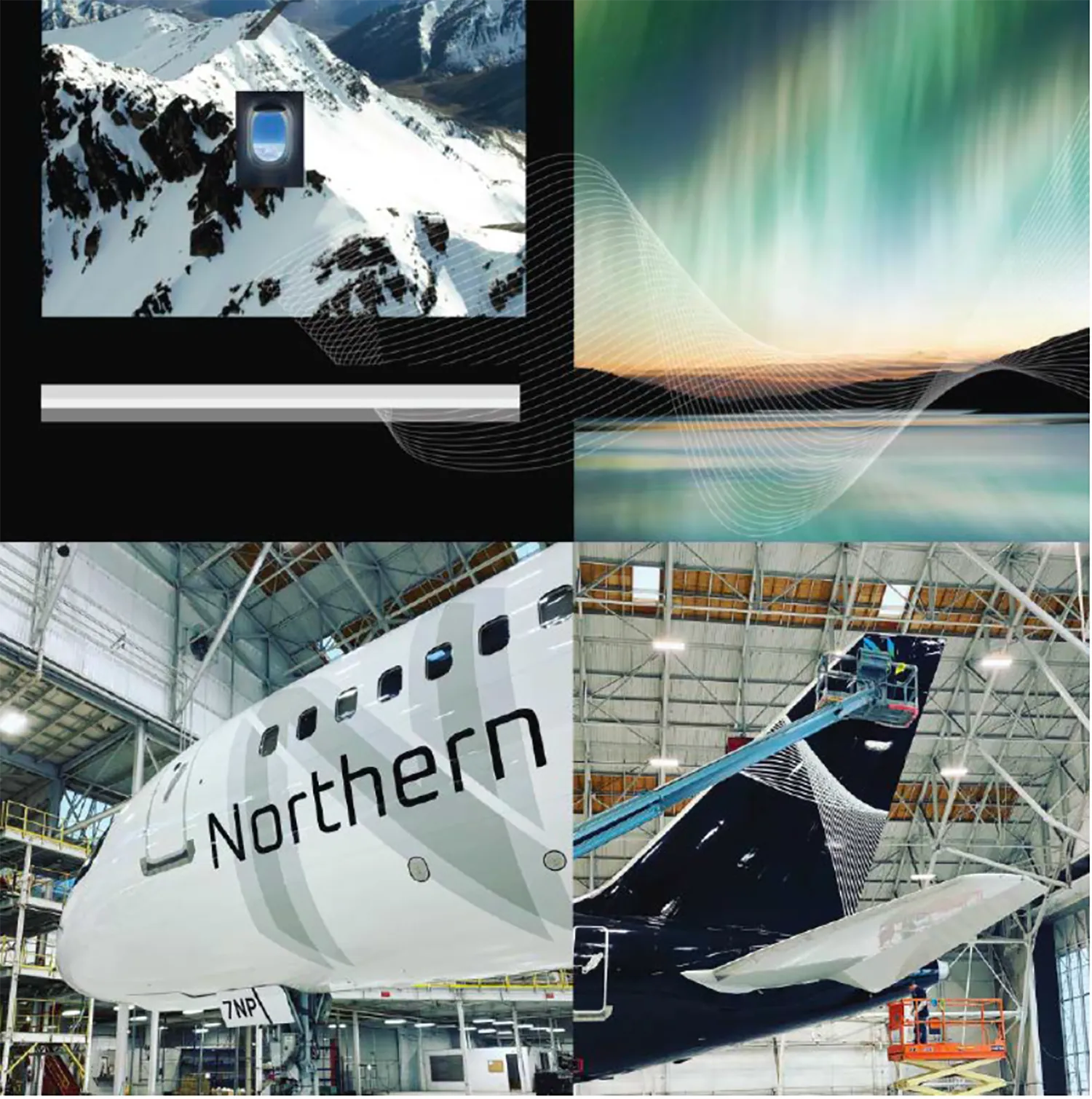
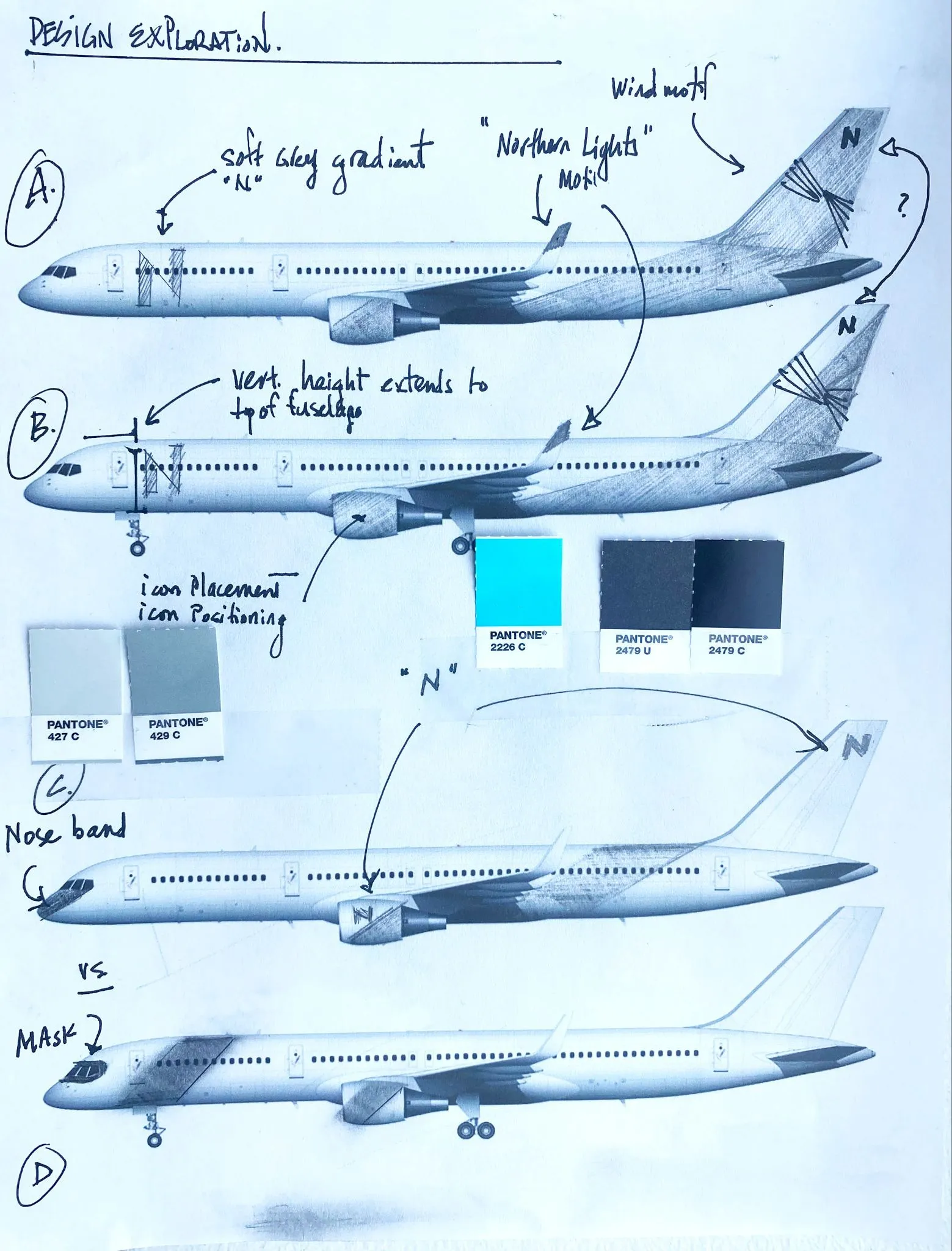
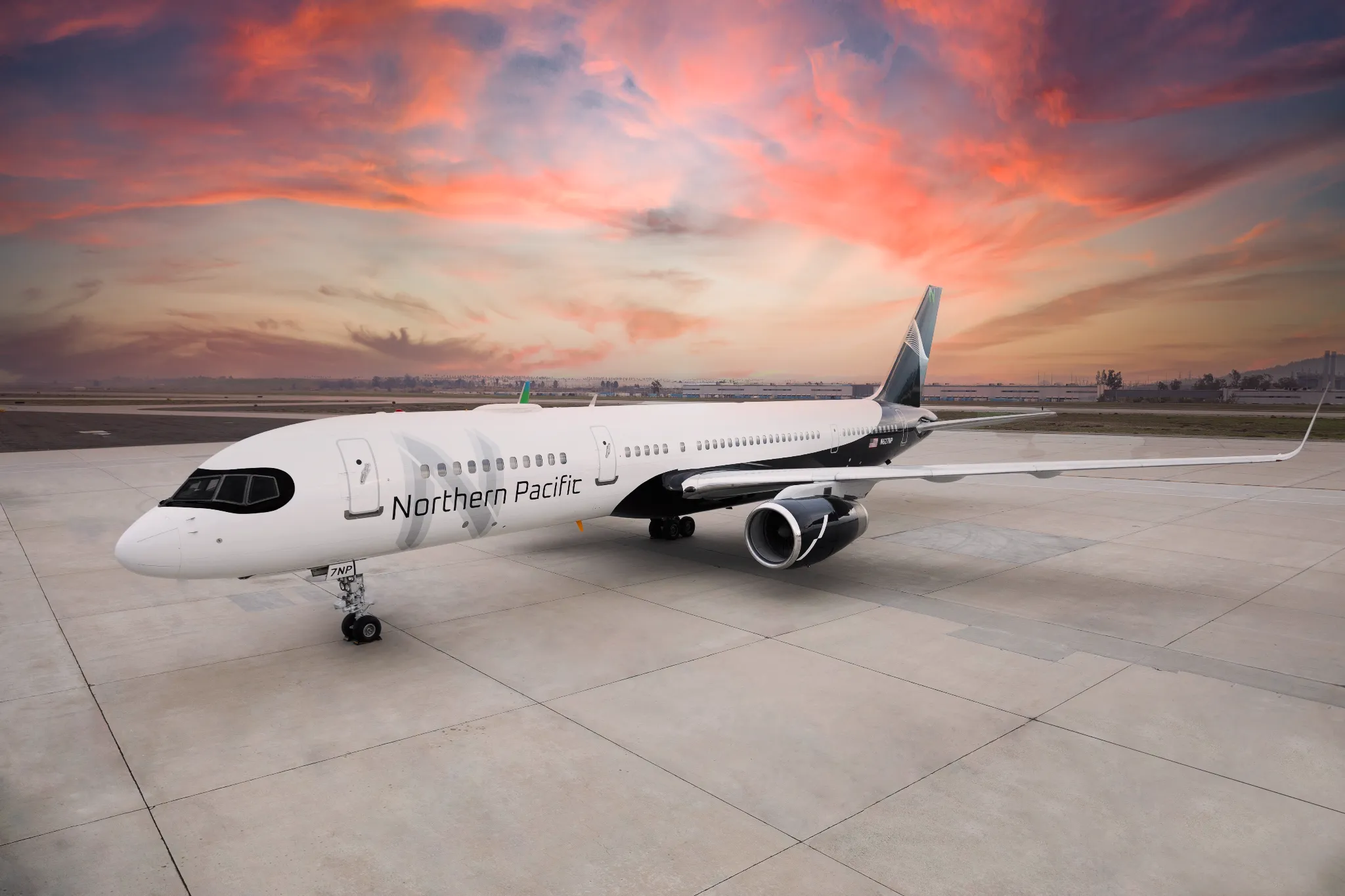
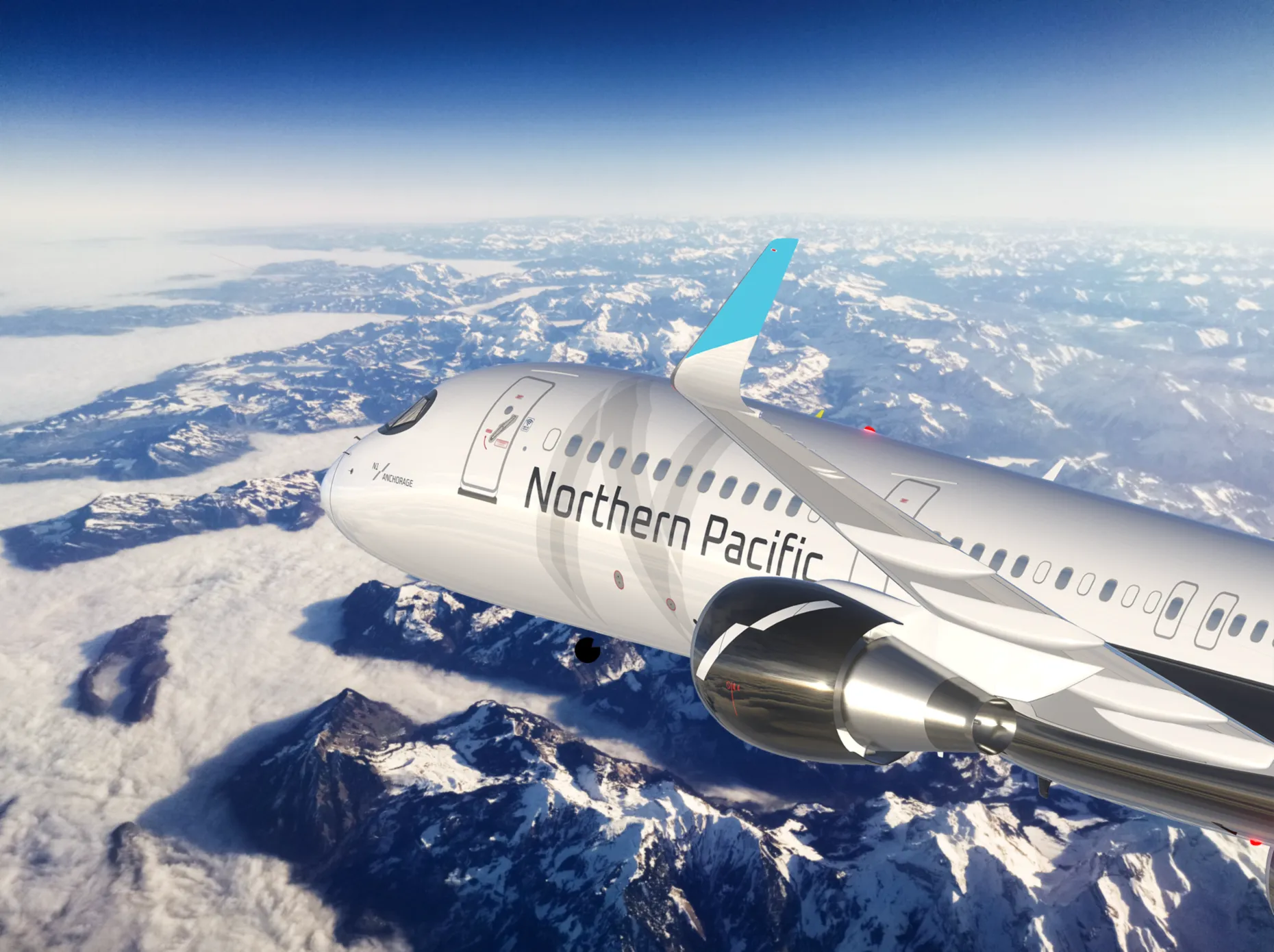
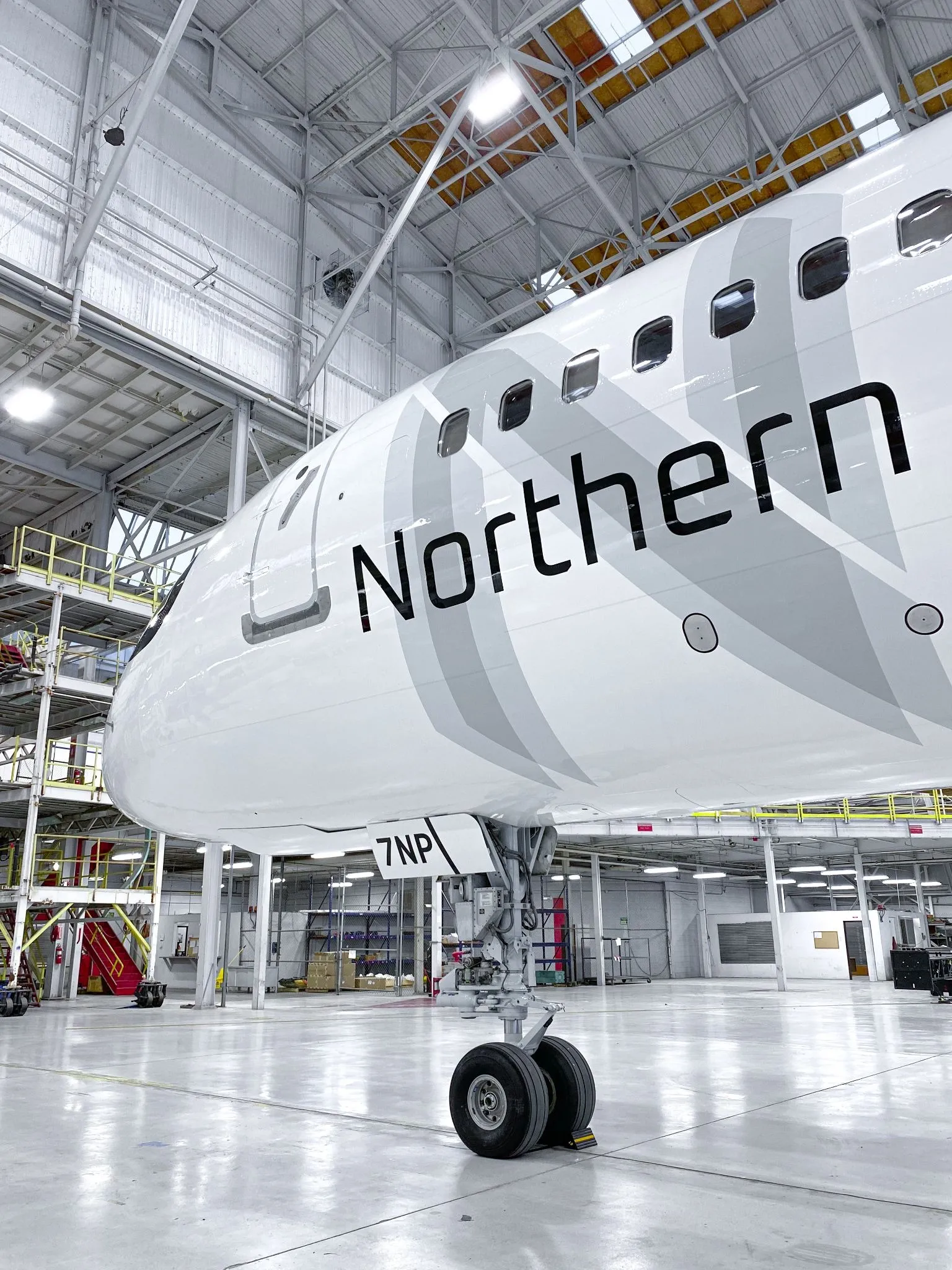
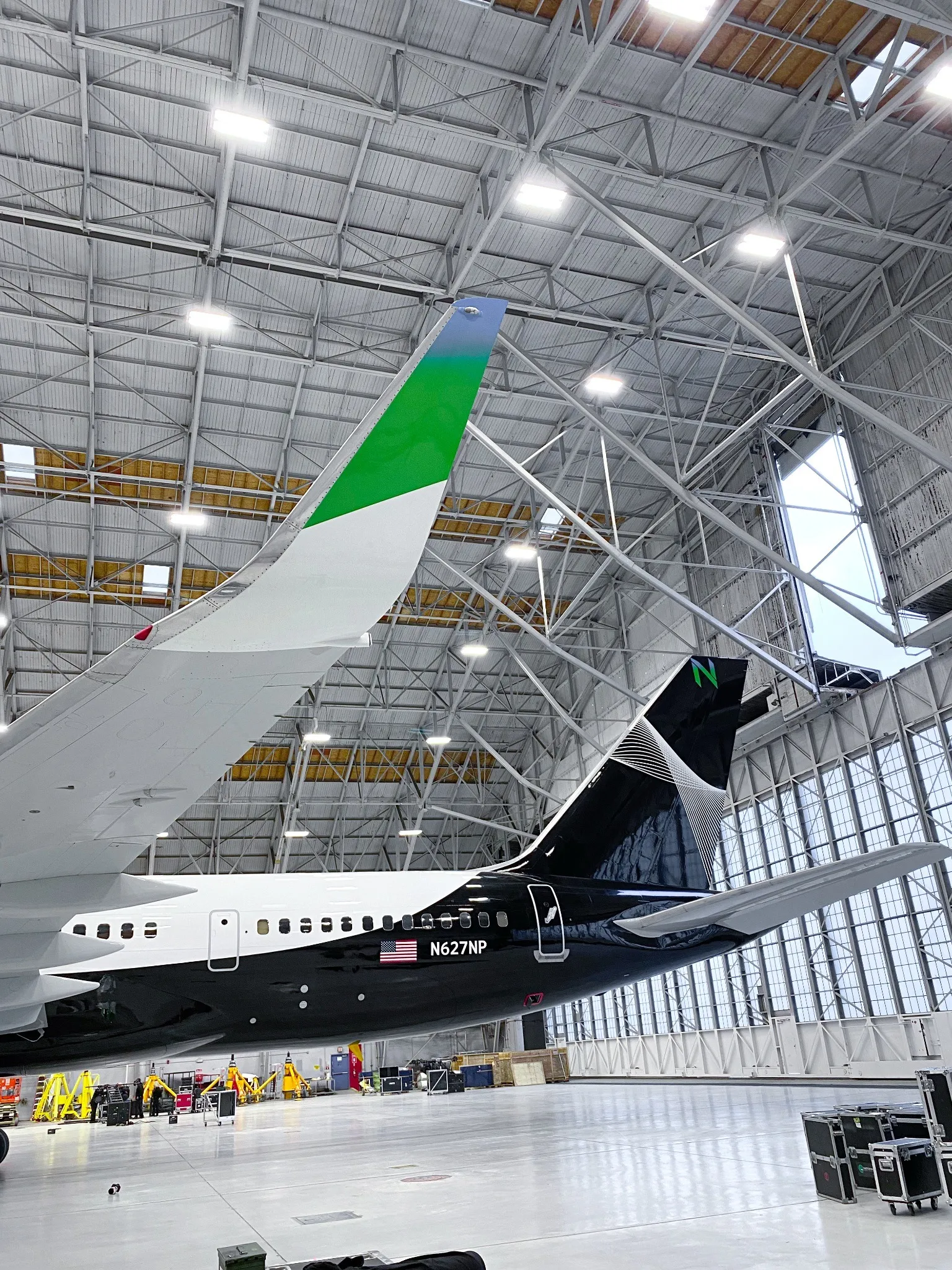
“From a distance, people sometimes assume an aircraft is just a giant blank canvas, but the reality is incredibly technical and constrained. We worked on a project for Northern Pacific Airways, and it was a truly all-encompassing engagement because we helped build the airline from the ground up.
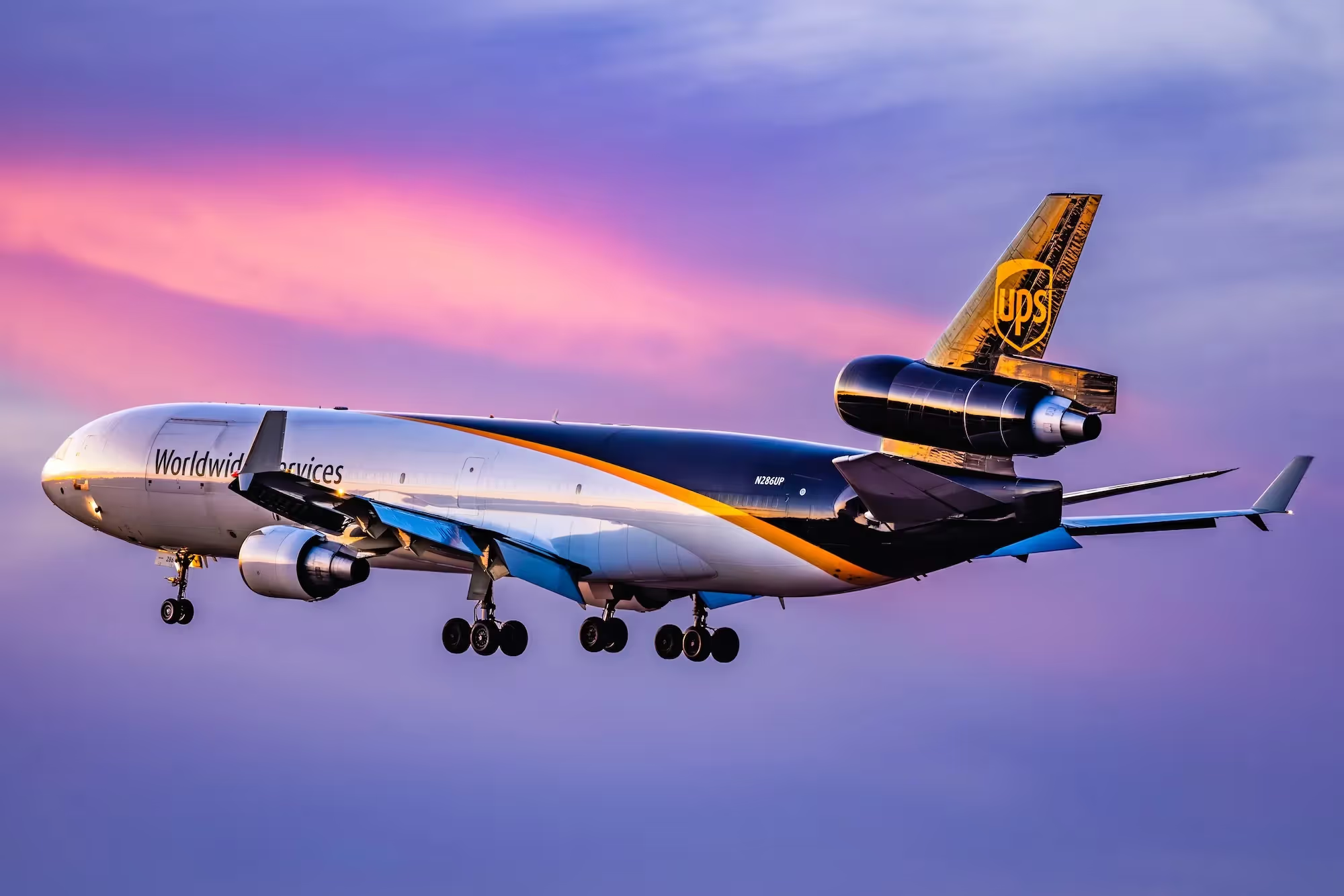
Once you reach the aircraft application phase, you quickly realize how many operational and regulatory factors shape what’s possible. An aircraft isn’t a flat billboard—it’s a highly engineered object with surfaces that serve very specific functions. There are strict requirements around emergency exit visibility, registration placement, maintenance access panels, and no-step or anti-slip areas on the wings and upper fuselage that can’t simply be treated decoratively.
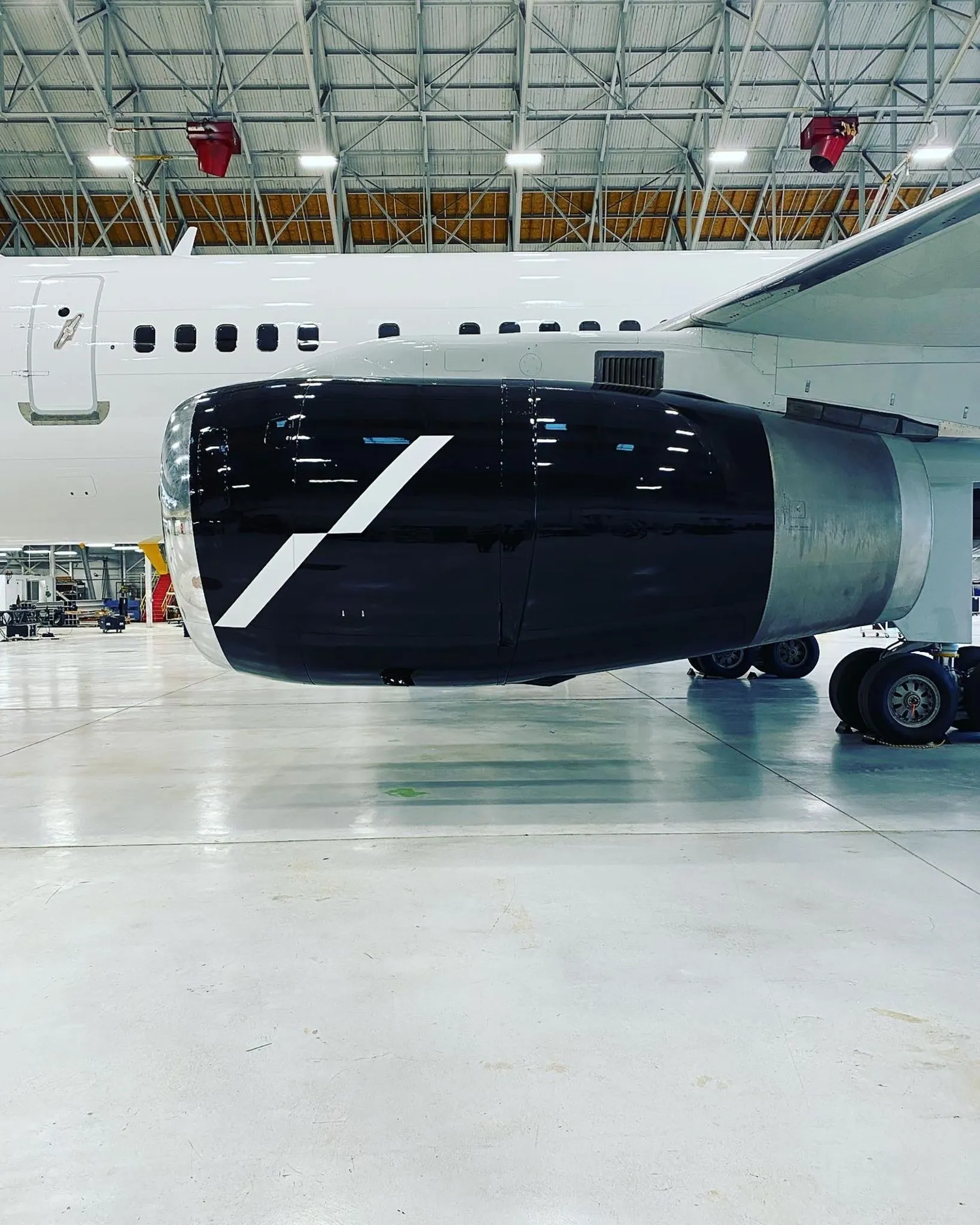
Even seemingly simple design moves become complex. On the 757, for example, we had to carefully consider how graphics interacted with panel lines, service doors, and areas maintenance crews need immediate visual access to during inspections. You also become very aware of weight, paint durability, reflectivity, and how finishes behave under different atmospheric conditions at altitude.
What makes livery design so fascinating is that it exists at the intersection of emotion and engineering. You’re constantly balancing beauty, brand expression, manufacturing realities, airline operations, and regulatory compliance all at once.
What are the specific challenges of maintaining brand consistency across different aircraft types, such as low-wing versus high-wing designs?
“You have to understand how to accentuate the shape and defining features of a specific aircraft type. I often look to Lufthansa as a strong benchmark. They recently created a commemorative livery in which the crane symbol was integrated into the aircraft itself, with the airplane’s wings effectively becoming an extension of the crane’s. That’s a very sophisticated understanding of form and symbolism working together.
Every aircraft has a different personality. The A380, for example, has a much taller, blunter fuselage—it’s not the same sleek, elongated form as a 747. You have to understand how graphics and shapes behave across what is essentially a concave canvas.
A great livery often creates small moments for people to discover on their own, whether it’s an aircraft that appears to ‘smile’ or one with distinctive ‘raccoon eyes’ around the cockpit. There’s a level of artistic judgment involved in understanding what makes each aircraft type the ‘hero’ from different viewing angles and perspectives while still maintaining a consistent brand identity across the fleet.”
How is airline branding and livery design different from approaching a typical "brand on the street"?
“First, it’s not a flat surface. Second, it’s in constant motion. An aircraft flying at 500 miles an hour at 30,000 feet interacts with sunlight, atmosphere, and weather in a completely different way than a brand on a static surface ever could. Everything you do is subjected to an extraordinary level of scrutiny compared to something like a digital ad or a billboard.
I’m always trying to imagine the most compelling and beautiful point of view possible—how to transform the aircraft into something iconic rather than simply slapping an oversized logo on the side, as we often see with the ‘Euro white’ approach. To me, that can feel incredibly depressing because it reflects a kind of lazy, one-dimensional thinking instead of treating the aircraft itself as a designed object with emotion, character, and presence.”
How do you balance your creative vision with the commercial realities, stakeholder pressures, and the "rocky road" of the airline industry?
“I often tell clients that we’re not just in the design business—we’re in the risk mitigation business. At the end of the day, they’re managing a company built around assets, projections, financing, and enormous operational pressures. My role is to create something beautiful and emotionally resonant, but it also has to land in a way that doesn’t alienate people.
You have to find a balance where a new airline entering the marketplace feels both familiar and fresh. A livery can’t be so radical that it creates discomfort or uncertainty, but it also can’t disappear into the background.
If you can demonstrate to clients that you genuinely understand the realities of their business—that you’re not simply approaching the project as a ‘flaky artist’ detached from commercial realities—it builds the level of trust needed to move a project forward successfully.”
How did you begin your career in this business, and why do you think airlines choose to work with you?
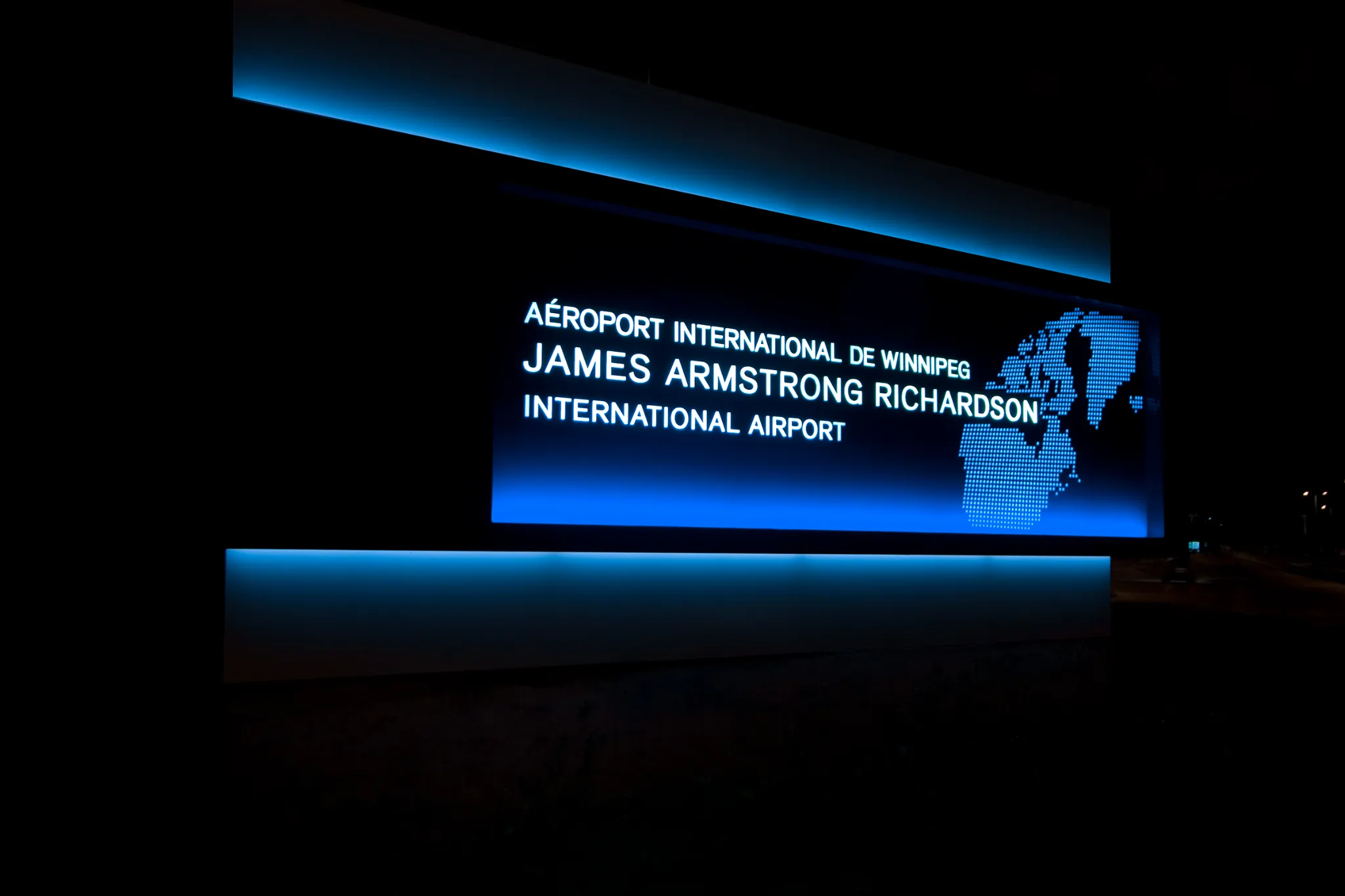
“I started out working more broadly in corporate design. One of our early projects was a branding and marketing assignment for a new airport development in Winnipeg, Canada. We explored everything from experience design planning and customer insights to the overall identity system and entryway signage. During that project, we developed a strong relationship with the Chief Operating Officer on the client side, who really responded to our work.
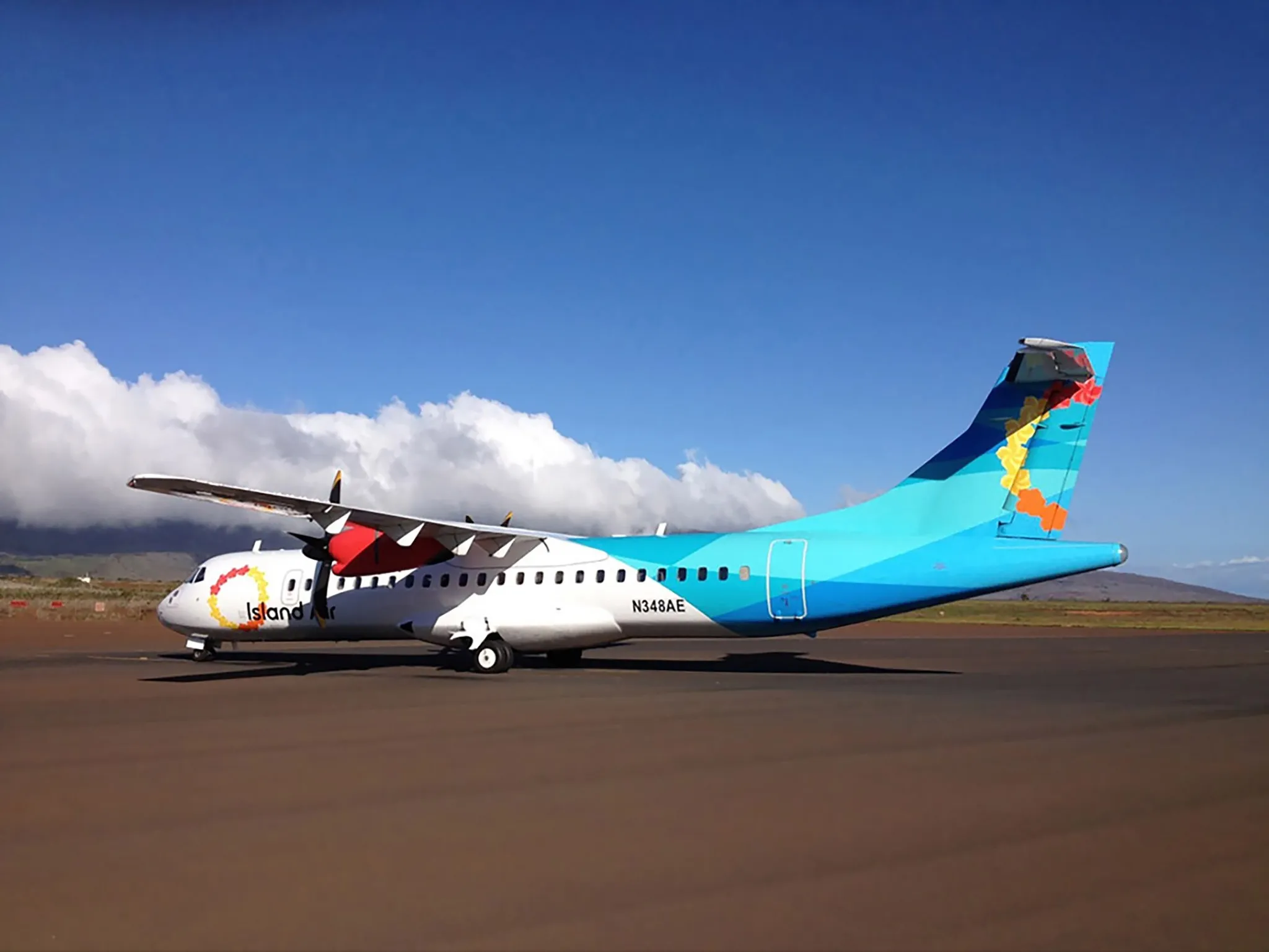
A year or two later, he had moved on to another role working for an international aircraft leasing company and unexpectedly called us from Hawaii. His client was quietly exploring the possibility of selling Island Air, a local commuter airline, to Larry Ellison, who at the time was looking at acquiring an airline to transport people to his island in Lanai.
Our role would be to refresh and elevate the Island Air brand into a more esteemed and attractive prospect. That opportunity came completely out of the blue and grew entirely through relationships and trust. We ultimately worked on the project for nearly two years, rebranding Island Air through the development of a vibrant new livery, airport experience design, marketing campaigns, and a signature brand film.
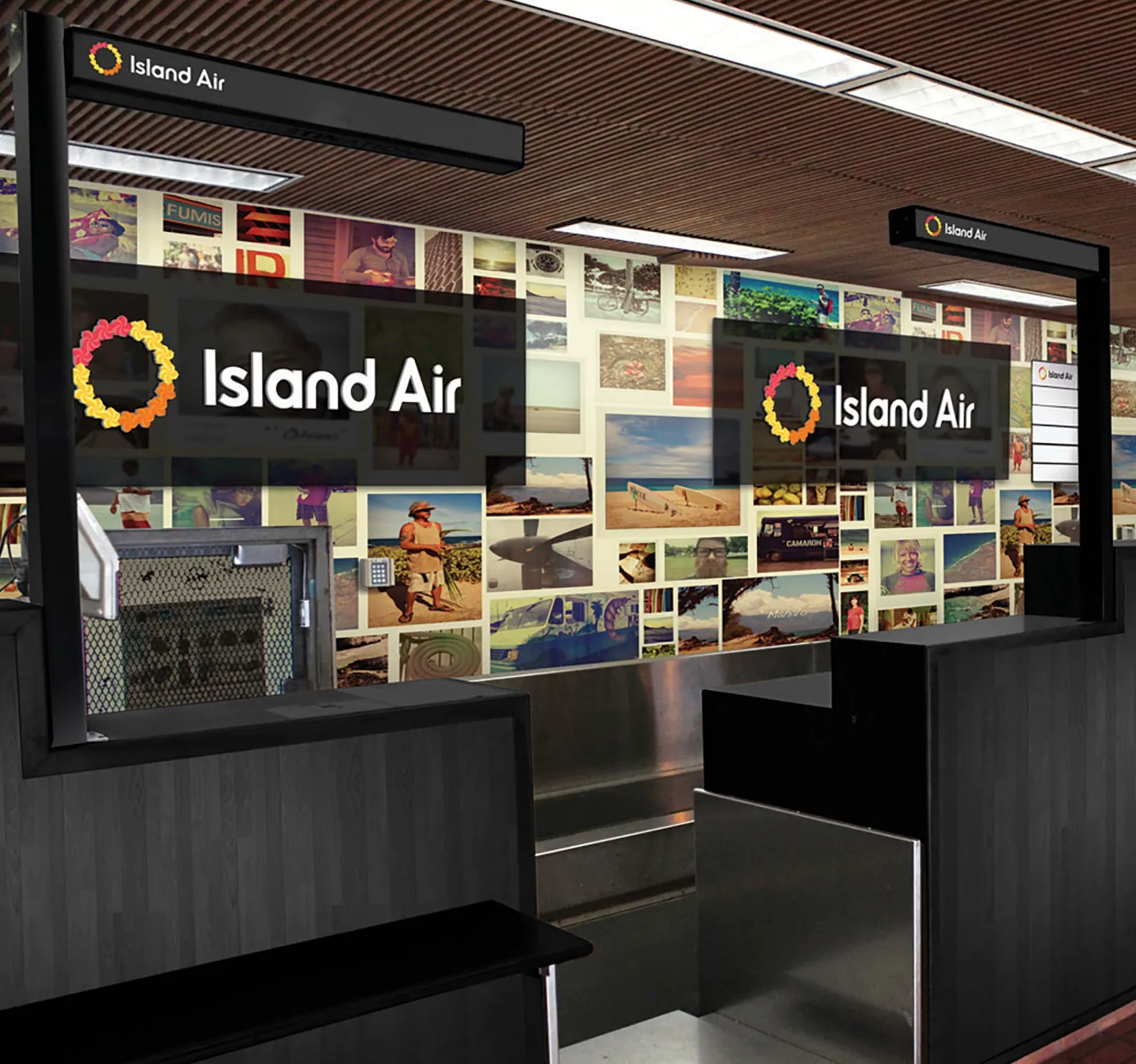
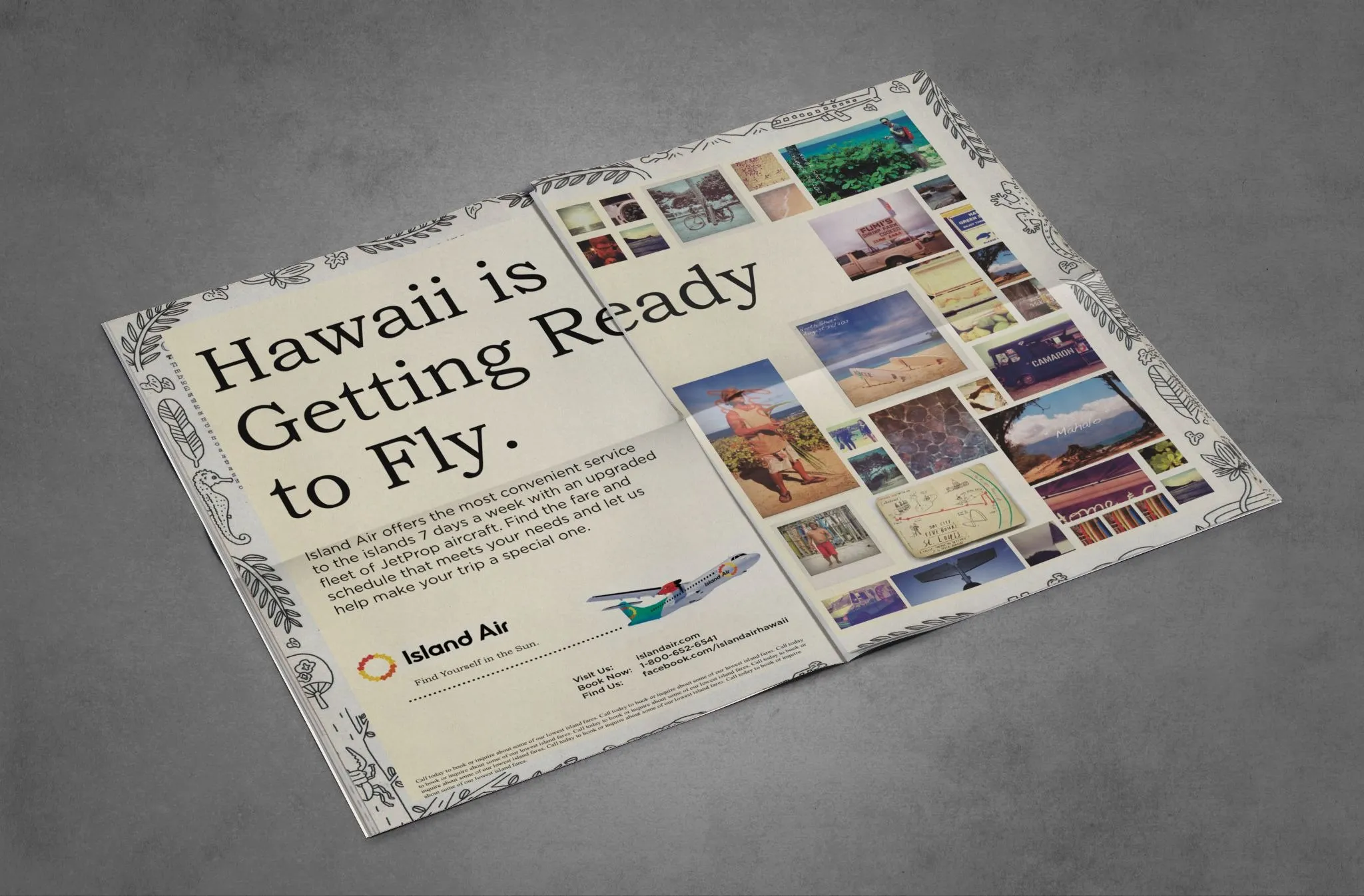
In this industry, so much of it is relationship-driven. Doing strong work, building credibility, and maintaining connections often leads to opportunities with people who are launching airlines, repositioning regional carriers, or trying to drive meaningful change within an existing aviation brand.”
Regarding "The Livery Project," what is it exactly, and why do you believe these designs deserve to be viewed alongside other significant forms of industrial design?
“Even the name, The Livery Project, suggests that we’re undertaking a deeper study of something. I never wanted to create a platform that was simply about AvGeeks celebrating airplanes, because there are already many channels that do that very well. What’s missing, in my view, is a platform that examines the broader significance of airline liveries as cultural signals rather than just visual noise, paint schemes, or decals.
We’re interested in understanding the human psychology, innovation, culture, history, and craftsmanship behind these identities. The goal is to explore the deeper zeitgeist surrounding things we often take for granted and to better understand why certain airline brands resonate so powerfully with people.
Ultimately, The Livery Project is meant to be a broader cultural statement—one that restores a sense of meaning to travel and reconnects people with why they fell in love with flying in the first place.”

Why does nostalgia resonate so strongly with passengers, and how do modern airlines learn from that emotion when approaching their business today?
“This idea of nostalgia is incredibly powerful. Even with startup airlines, we sometimes try to evoke a sense of nostalgia, which is difficult because there’s no legacy or history to draw from. The challenge is finding something that connects with people on a more timeless and emotional level.
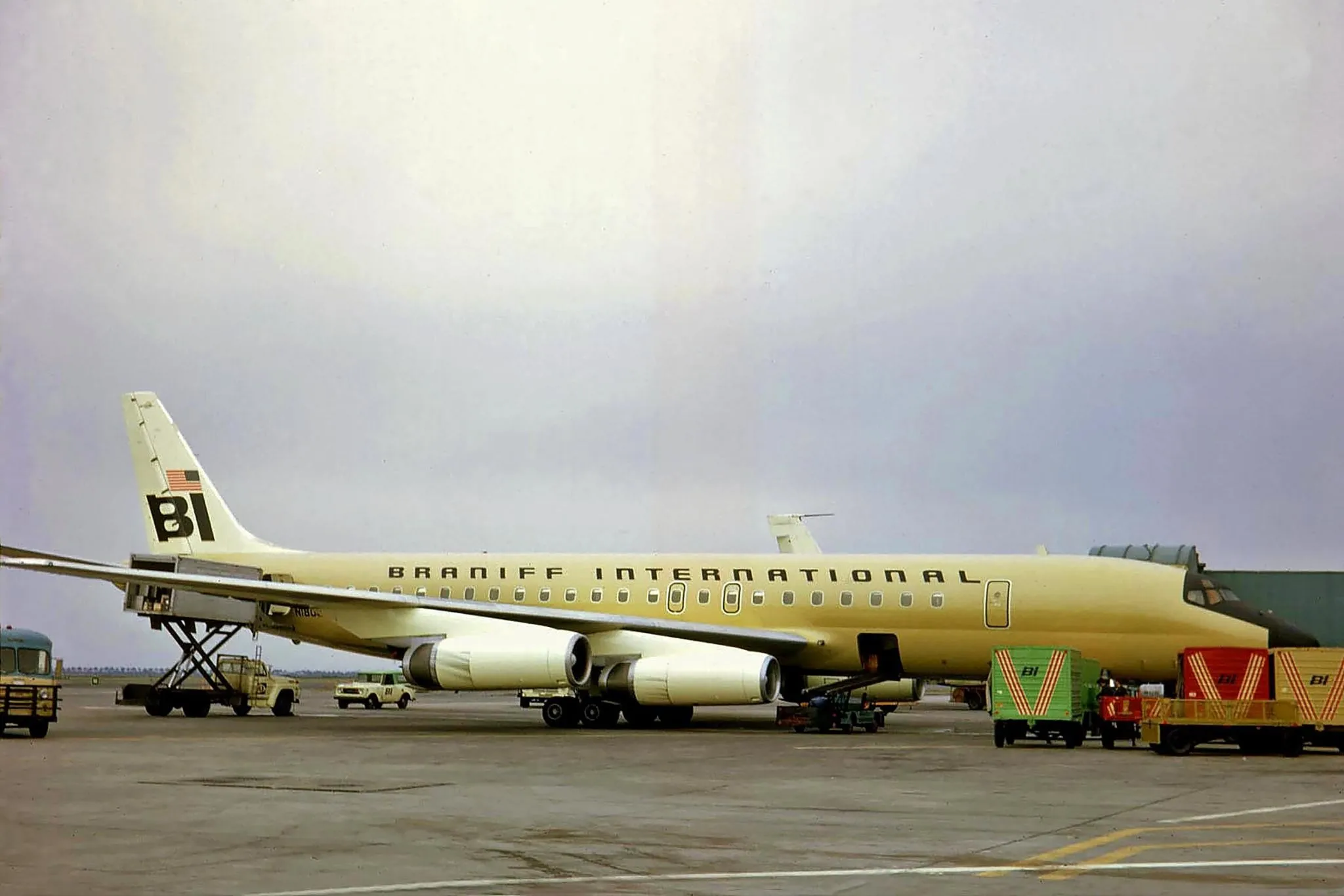
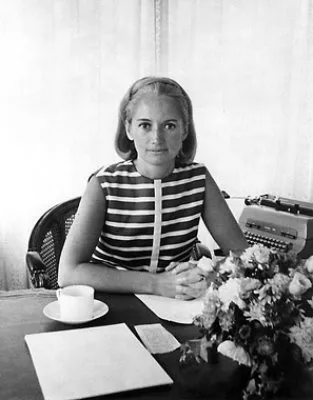
I still love revisiting the glory days of Braniff International Airways and the groundbreaking work surrounding campaigns like “The End of the Plain Plane.” Much of that spirit was shaped by trailblazers like Mary Wells Lawrence, whose irreverent approach to advertising, fashion, color, and cultural storytelling helped establish Braniff as one of the most design-forward airlines of its era.
Braniff challenged conventional thinking around airline identity and livery design through a bold, expressive color palette and a willingness to treat the aircraft itself as a cultural canvas rather than simply a mode of transport. I often reference that period with clients because it reflected a level of confidence, innovation, and emotional ambition that feels increasingly rare today.
I think the industry could benefit from rediscovering some of that spirit—something less sanitized, less monochromatic, and more emotionally expressive. We need identities that stand apart in a way that feels authentic to aviation itself, recalling the visceral, steel-luxury-liner quality long associated with airlines like American Airlines.
What excites you when you see an aircraft roll out of the paint hangar for the first time?
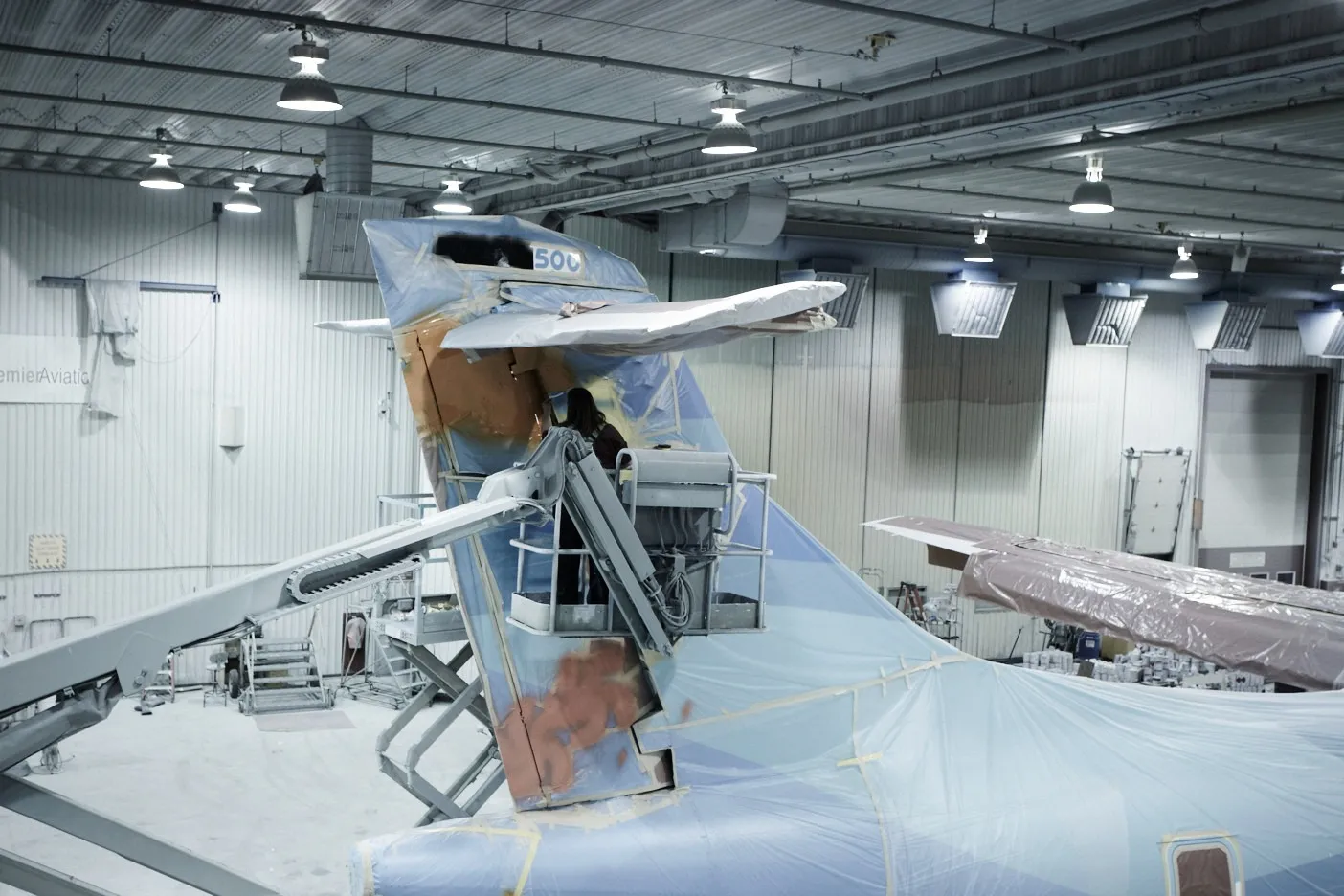
“There’s nothing quite like walking into a paint hangar for the first time and seeing the aircraft under those bright lights, staring back at you completely finished and gleaming. What hits you immediately is the sheer scale and physical presence of it all.
There’s really no better feeling, especially because so much of our work happens sitting behind computers or on Zoom calls, often in a fragmented and abstract way. Seeing the aircraft fully painted becomes a kind of punctuation mark for the entire process—a moment where you suddenly think, ‘Wow, there it is.’
It’s also incredibly humbling because you realize that thousands of people are going to board that aircraft and travel on it. It reconnects you to the reality that these machines are doing something extraordinary every single day, and that the design becomes part of that experience.”
Where do you see the future of livery design going, especially for supersonic jets and electric vertical takeoff and landing (eVTOL) aircraft?
“Livery design is going to have to evolve alongside an entirely new generation of aircraft, particularly eVTOLs and future supersonic platforms. We’re no longer just dealing with long, cylindrical fuselages with conventional tails and wings; these new aircraft are far more intricate and uniquely sculptural in their forms. That fundamentally changes how designers approach identity and surface graphics.
I also think materiality will continue to evolve—both in the paints used and in what those finishes can do visually and technologically.
At its core, part of an airline’s role is to transport people emotionally, whether through excitement, reassurance, aspiration, or a sense of wonder. And I think people today are increasingly drawn to things that reconnect them to the past because the world is moving so quickly and often feels emotionally fragmented. There’s a growing desire for experiences and identities that feel grounded, human, and emotionally resonant.”
What advice do you have for someone who wants to enter the airline and livery design business?
“First and foremost, you really have to love airplanes. Clients can usually sense that immediately. When you understand the language, the nuances, and the culture of aviation, it helps build trust very quickly.
You also have to recognize that successful livery design is inseparable from brand strategy—they truly go hand in hand. A livery isn’t just decoration; it’s an extension of the airline’s identity, values, and positioning.
For people who want to work with major mainline carriers, one path is to join a large global branding firm such as Landor or Lippincott. You may be a small fish in a very large pond, but you’ll be exposed to an incredibly high level of thinking and execution.
The other route is to work with a boutique, more entrepreneurial firm like ours, where you’re much closer to the work itself and more directly involved in shaping the project from beginning to end.”
All images courtesy: Edmond Huot unless noted


.avif)