DOT’s Duffy Sees Potential for U.S. Airline Mergers with Rigorous Regulatory Review


.webp)
WASHINGTON, D.C. — U.S. Transportation Secretary Sean Duffy stated there is “room” for further airline consolidation in the United States, but emphasized that any merger proposal would be subject to thorough review regarding its effects on competition, pricing, and consumers.
In a CNBC interview, Duffy noted that, while "there's always chatter," and "President Trump loves to see big deals happen," if a merger involved larger carriers, they “would have to peel off some of their assets,” indicating that divestitures may be required for approval. He also stated he would not “pre-commit” to any specific outcome.
These comments come amid renewed merger discussions as airlines face significant cost pressures from the Iran conflict’s impact on fuel prices.
The industry is also adjusting to a post-pandemic environment in which the “Big Four” (American-AA, Delta-DL, United-UA, Southwest-WN) control approximately 80% of the U.S. domestic market.
A change in regulatory tune?
During the previous administration, JetBlue (B6) abandoned its planned acquisition of Spirit Airlines (NK) after a U.S. judge blocked the deal on antitrust grounds, demonstrating the difficulty of securing approval for large airline combinations under the then-competition standards.
Last month, B6 reportedly engaged financial advisers to explore a potential sale to a rival carrier, according to a Semafor report citing sources familiar with the matter. This move suggests the New York-based airline is reassessing its strategy in response to regulatory setbacks, rising costs, and slow margin recovery.
Following the report, B6’s shares rose nearly 14%, raising its market capitalization. At the time, the airline declined to comment on a potential sale.
Under the new administration, the New York-based airline could be poised to face the ultimate strategic crossroads: either stay the course under its JetForward turnaround plan or cede independence to a larger rival.
Potential suitors
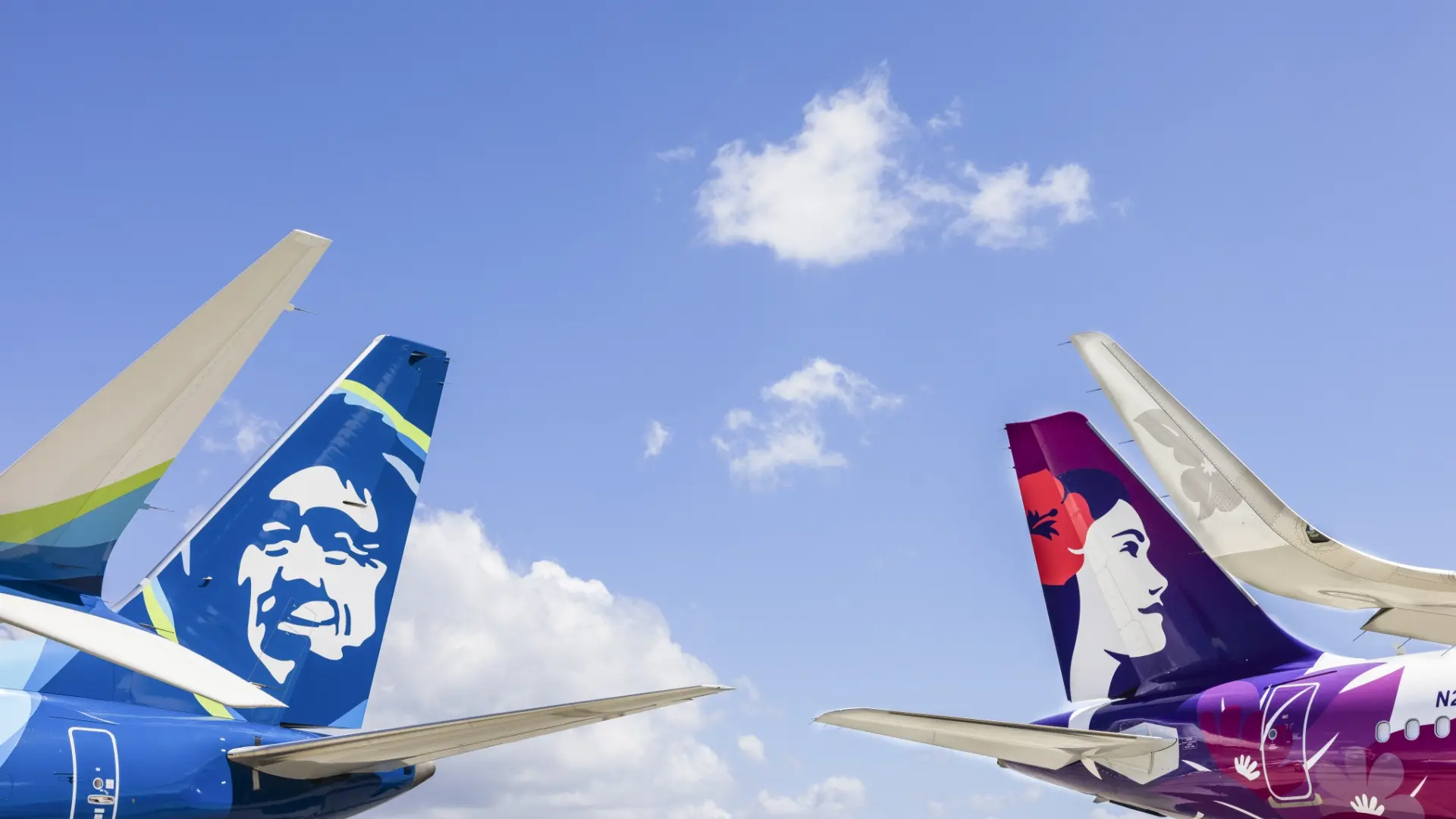
JetBlue has evaluated how potential mergers with United Airlines (UA), Alaska Airlines (AS), or Southwest Airlines (WN) might be viewed by regulators in Washington. Each scenario presents distinct strategic and regulatory challenges. It all depends on "the matchup," according to Duffy. Here is what we see:
- UA currently partners with B6 on select slots and loyalty programs, including access to up to seven daily round-trip slots at JFK beginning in 2027. However, a full acquisition would likely face significant antitrust opposition given UA’s strong presence in premium East Coast and transcontinental markets.
- AS may provide the most complementary network by combining B6’s Northeast presence with AS’s Pacific and West Coast reach. However, overlapping cross-country routes would likely attract regulatory scrutiny.
- WN, also a low-cost carrier, would face challenges integrating routes and fleets, as well as concerns about market concentration on the East Coast and in leisure destinations such as Florida and the Caribbean.
Featured image: Tony Bordelais/Airways



.avif)