Delta Air Lines Latest U.S. Carrier to Raise Bag Fees as Jet Fuel Surges


.webp)
ATLANTA — Delta Air Lines (DL) will raise checked-bag fees on domestic and some short international routes for tickets bought on or after April 8.
The airline says the change is due to rising jet fuel costs and global events, including the Iran conflict. The first checked bag will now cost US$45 instead of US$35; the second, US$55 instead of US$45; and the third, US$200 instead of US$150.
Delta’s move comes after United Airlines (UA) and JetBlue (B6) also raised their bag fees. UA now charges US$45 for the first bag and US$55 for the second on many North and Latin American routes. B6 increased its bag fees by US$4 to US$9, depending on when and what season you travel. Dont' be surprised in Southwest Airlines (WN) follows suit.
The main reason cited for these checked-bag fee changes is of course the sharp rise in energy costs. When global jet fuel prices go up, airline profits go down. As a result, U.S. airlines look for new ways to make money without raising ticket prices.
Delta says that important exemptions will still apply. SkyMiles Medallion members, premium-cabin passengers, active-duty military, and some co-branded cardholders will keep getting free checked bags. Fees for long international flights will not change.
You're porbably aware that the increases in bag fees are happening in the United States. Non-U.S. carriers usually deal with higher fuel costs by changing fuel surcharges or ticket prices. For example, Qantas (QF) announced sharp fuel-surcharge increases effective Mar. 18, 2026 (HKD amounts vary by haul length), and Air India (AI) recently changed its fuel surcharges on both domestic and international flights because of higher fuel prices.
On the surface, we can say that most us in the U.S. choose flights based on the first price we see on sites like Google Flights or travel apps and agencies. If airlines raise the base fare, we notice right away. Bag fees, however, show up later in the booking process, so airlines can stay competitive in the search results.
For international airlines, adding fuel surcharges or raising fares is often easier because their pricing systems and customer expectations already support these changes; these flyers expect to see the full price upfront and not at end of the booking transaction. But we're oversiplifying—the differences go beyond search results and social norms.
Factors leading U.S. airlines’ to raise bag fees and ancillary revenues
Enhanced revenue segmentation: Bag fees help airlines separate their revenue streams. People who check bags, like families or vacationers, pay extra. Meanwhile, the base fare stays low for business travelers, short-trip passengers, or those with elite status or certain credit cards who get free checked bags.
Reduced likelihood of triggering fare wars: If airlines raise ticket prices across the board, competitors often lower their prices to win customers. Changing bag fees, on the other hand, is easier for other airlines to match without starting a price war, and these fees can be adjusted more flexibly.
Improved net revenue efficiency: In the U.S., extra fees like bag charges are taxed differently than ticket prices. Because of this, airlines often make more money from bag fees than if they included all costs in the ticket price.
Operational impacts of bag fee increases: When airlines raise bag fees, fewer people check bags. This leads to shorter lines at bag drop, fewer lost bags, lighter planes, and faster turnaround times. Airlines rarely advertise these benefits, but their operations teams notice them.
Factors leading non-U.S. carriers to prefer fuel surcharges
Legacy pricing norms and surcharge practices: In many countries, travelers are used to seeing a base fare plus extra surcharges. Airline contracts and ticket systems in these places have long allowed for fuel surcharges to be added.
Distinct competitive dynamics: Outside the U.S., airlines compete less on price and more on things like airport hubs, route networks, and long-distance flights. This makes it easier for them to add surcharges to cover costs.
Regulatory and consumer expectation differences: In the European Union and the UK, airlines must show the full price up front; travelers are more used to seeing extra charges from airlines than people in the U.S.
Long-Haul route economics: Airlines that fly many long-haul routes feel the effects of changing fuel prices right away. Surcharges may not be perfect, but they let airlines adjust for fuel costs more directly than constantly changing ticket prices worldwide.
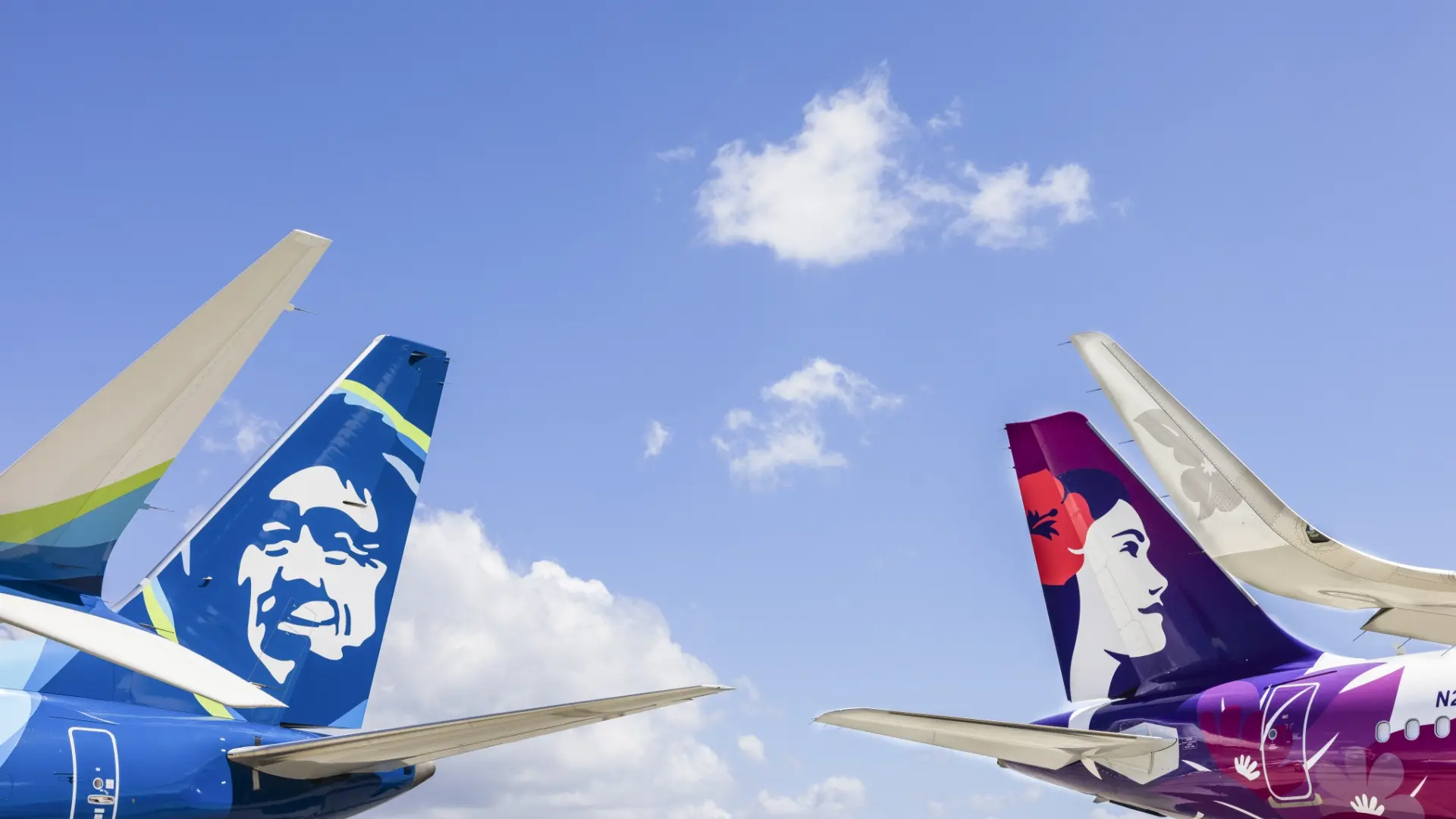
Featured image: Delta Air Lines/Airways


.avif)