

.webp)
DALLAS — In Season 10, Episode 2 of The Airways Podcast, hosts Rohan Anand and Vinay Bhaskara open with a quick trip debrief (including a “shower in the sky” on the Emirates A380) before diving into the week’s biggest North America storylines.
The headline debate is the escalating American Airlines–United Airlines (AA-UA) one-upmanship at Chicago O’Hare (ORD), with the episode calling out a summer schedule in which AA is targeting ~550 daily departures while UA is pushing 750+.
Vinay frames the structural reality: UA has held a long-running gate-space advantage at ORD—roughly 50% more raw gate space—and post-pandemic momentum has shifted local share in UA’s favor.
The key nuance: ORD today is not the ORD of the early 2000s. Airfield capacity is stronger after runway reconfiguration, but the “summer-from-hell” risk has evolved. The constraint is less about takeoff/landing throughput and more about gates—think aircraft sitting and waiting for a spot to park.
Vinay also floats a top-line implication: if the capacity surge sticks, ORD could push past its 2019 peak (noted at just over 84 million passengers) and potentially approach 90 million, tightening the race for “busiest” bragging rights.
Where Southwest Fits
The conversation adds a third angle: Southwest Airlines’ (WN) dual-airport presence (MDW + growing at ORD) and early interline/codeshare dynamics could subtly reshape flows as legacy carriers flood markets with aggressive pricing. The bigger takeaway: even marginal network adjustments by WN can matter when two network carriers are chasing frequency leadership in the same metro.
Venezuela Watch: Demand Is There, Reality Checks Remain
The episode then pivots south: AA potentially resuming service from Miami (MIA) to Caracas (CCS) and Maracaibo (MAR), a move that would be emotional for diaspora/VFR travelers and strategically meaningful for network planners.
Vinay’s recap of why airlines left is blunt: it wasn’t just softer demand; it was the double bind of currency repatriation (selling tickets but struggling to extract funds) plus the operational and crew safety/layover concerns that escalated as conditions deteriorated.
The hosts note that shorter stage lengths from South Florida can make out-and-back flying more feasible (reducing overnight exposure), but any meaningful return still hinges on stability and the ability to reliably get money out.

American’s Premium Problem: Strategy, Product, and the Fleet “Gate”
Rohan tees up AA’s leadership noise, specifically the “no confidence” chatter around CEO Robert Isom, as a symptom of a broader identity crisis.
Vinay’s critique is that AA has been trying to operate with a “good enough” playbook despite having a cost structure that demands a revenue premium, pointing to product and network choices that make it harder to charge that premium consistently.
And even if the strategy shifts tomorrow, there’s a hard limiter: the airline’s international growth ambitions are constrained by fleet reality: “they fundamentally don’t have the planes,” as Vinay puts it.
Air Canada’s A350-1000 Move: Range-led Renewal
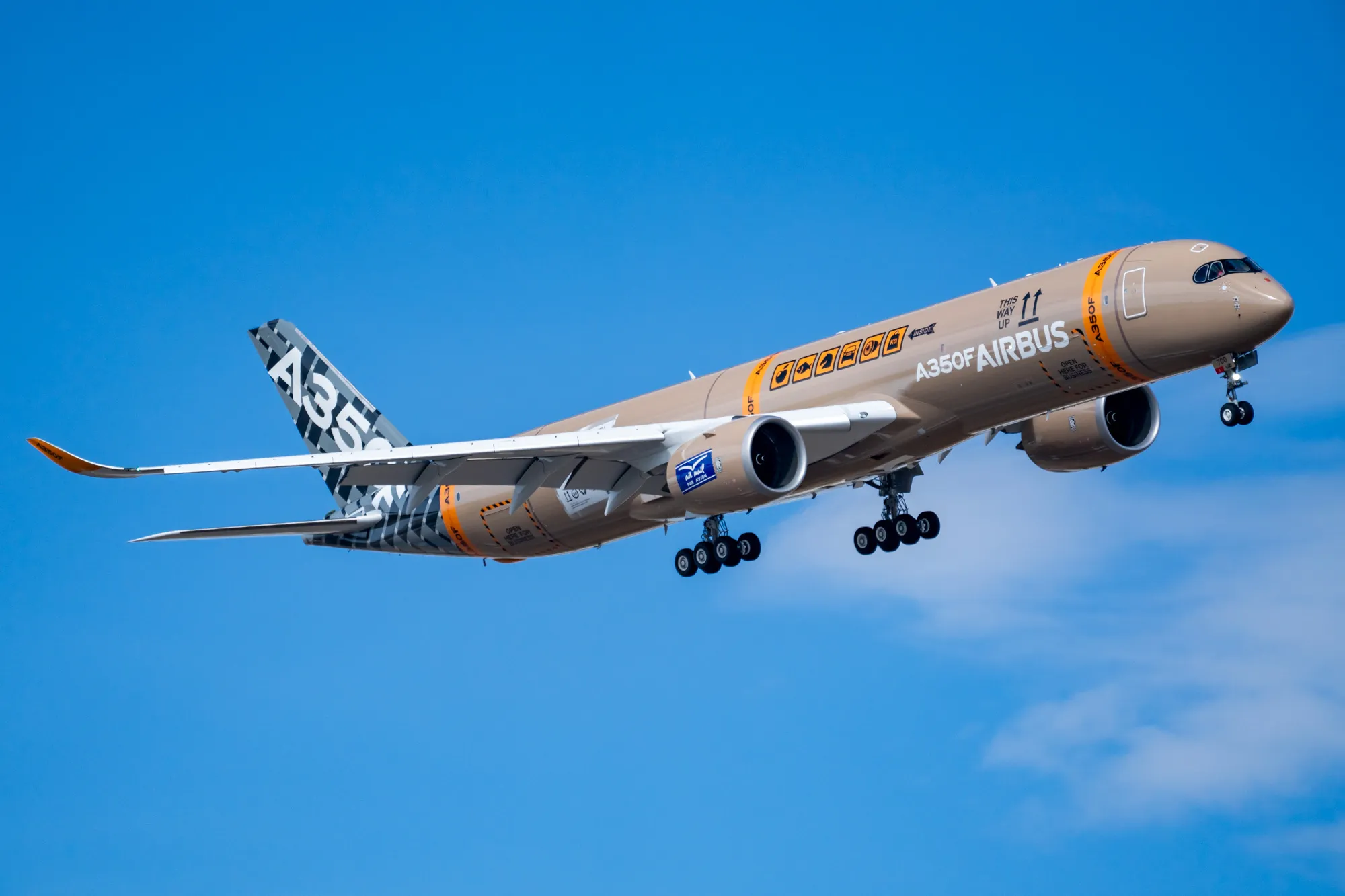
Closing the episode, the hosts dig into Air Canada’s (AC) plan to add eight Airbus A350-1000s beginning in the second half of 2030, positioning the type as part of AC’s next long-haul phase.
The discussion frames the -1000 as a likely pathway to retire older wide-bodies, especially the 777-200LRs, while keeping flexibility for ultra-long-haul missions where range (not just seats) drives value.
The Sum Up
S10E2 threads one theme across three seemingly separate stories: capacity is easy to announce, but hard constraints decide who wins.
At ORD, gate reality—not runway throughput—will define the customer experience and the economics. In Venezuela, the constraint isn’t demand; it’s repatriation and operational certainty. As for AA’s premium reset, the constraint is fleet availability; without the metal, the strategy can’t fully execute.
Pod-Ed (Podcast Editorial) is our new Op-Ed sub-series where we turn each Airways Podcast episode into a readable, shareable analysis.
Want the full conversation? Search “The Airways Podcast” wherever you listen, and follow along as we turn each episode into a Pod-Ed you can share and debate.
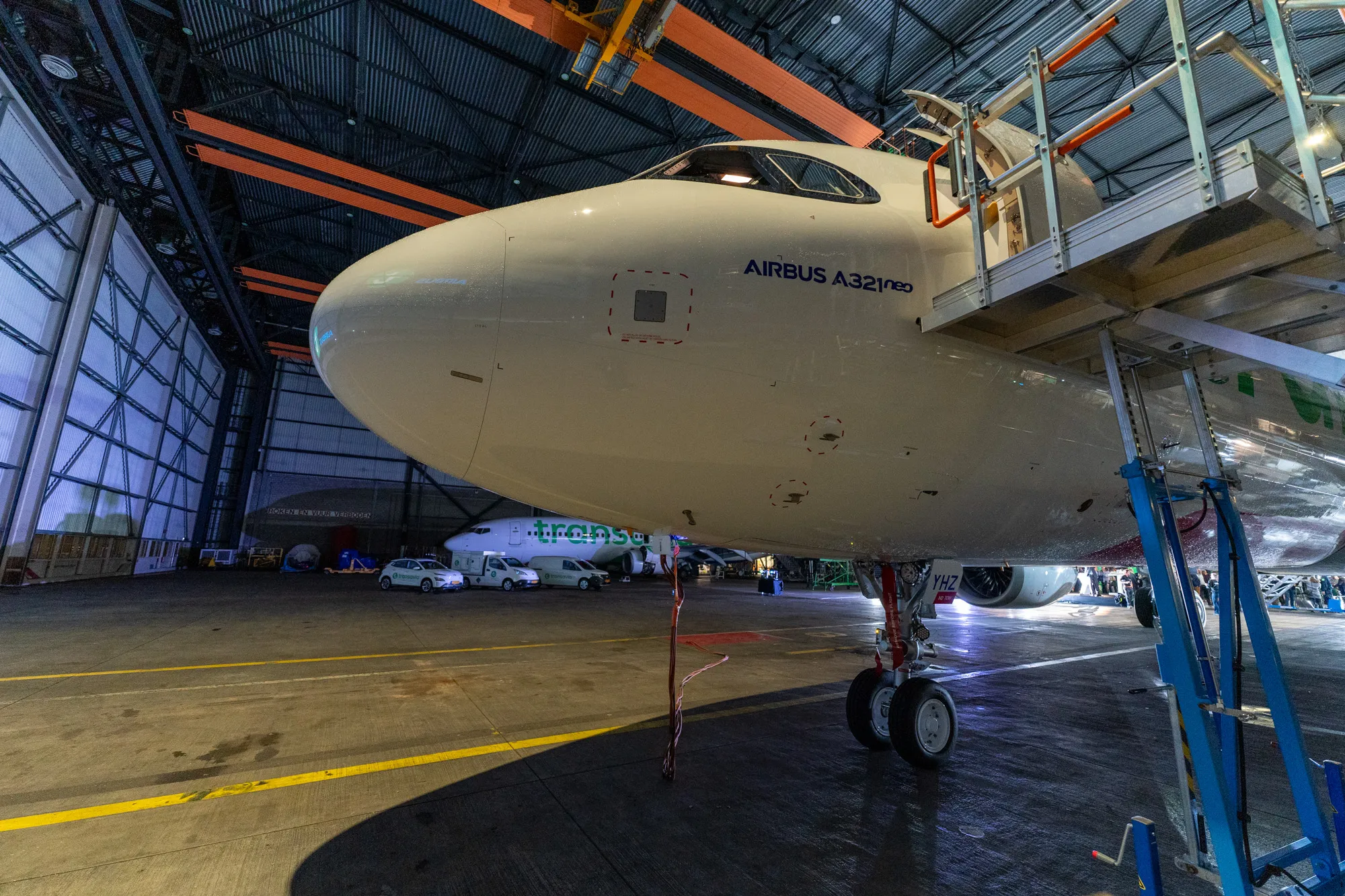
Featured image: Rohan Ramalingam/Airways


.avif)