


.webp)
.webp)
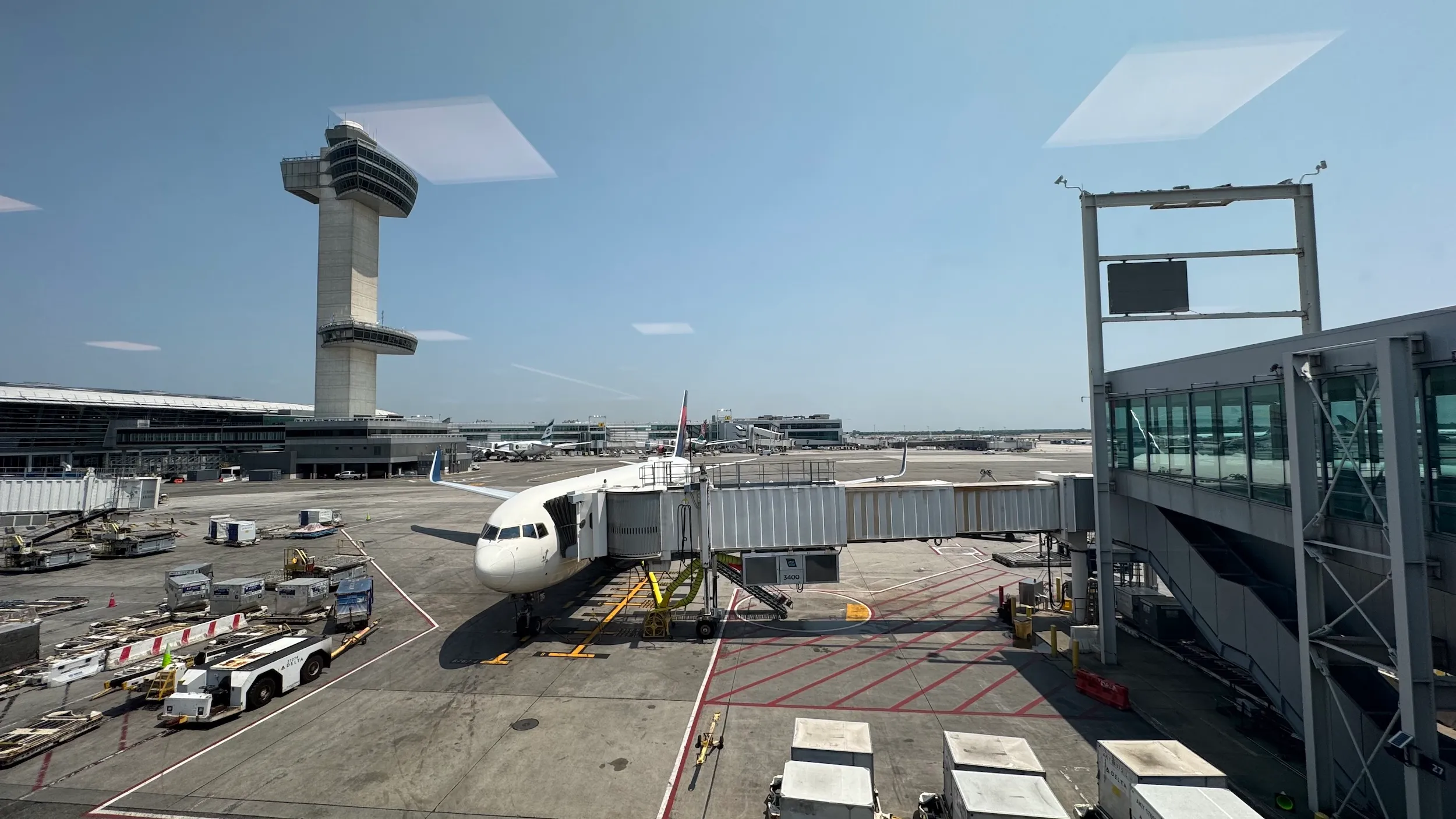


PONTA DELGADA — The renewed privatization of Azores Airlines (S4) is attracting early investor interest, with Binter Canarias (NT) as the name linked to the next phase of the carrier’s sale process.
SATA Group president Tiago Santos told Portuguese business outlet Jornal de Negócios that the company has received between six and eight informal expressions of interest ahead of a new direct-sale process. Açoriano Oriental reported that Santos confirmed talks with Binter, though the process has not formally begun and no buyer has been selected.
Direct sale replaces failed tender
The new process follows the collapse of the previous Azores Airlines privatization attempt, in which the Atlantic Connect Group offered €17 million for 85% of the carrier. The Azores regional government has now shifted toward a private negotiation model rather than another public tender.
According to ECO, the new tender specifications are expected to be submitted to the regional government shortly, with the sale designed as a direct process rather than a conventional public tender. Santos said the documentation will be clearer on debt, balance sheet conditions, and labor issues, an important point after the earlier process failed to reach completion.
The sale is expected to cover at least 51% of Azores Airlines, though SATA management could recommend selling more than 75% to give a future investor greater strategic control. The process is expected to proceed in three phases: expressions of interest, non-binding offers, and binding offers.
EU deadline adds pressure
Azores Airlines’ sale is not only a political or commercial decision. It is tied to the European Commission-approved restructuring plan for SATA Group, which received €453.25 million in state aid in 2022. Under the original structure, SATA Holding launched a public tender in 2023 for the sale of between 51% and 85% of SATA Internacional–Azores Airlines.
Reuters reported in January that the European Commission extended the deadline for SATA and TAP Air Portugal (TP) to complete divestments linked to Portuguese state restructuring aid. The Azores government had previously requested an extension until December 31, 2026, citing the complexity of the process and the need to preserve SATA Group’s operational and financial stability.
That makes the sale time-sensitive. The regional government has said the restructuring plan is intended to protect SATA’s role in territorial cohesion while improving the competitiveness of the Azorean aviation sector.
Why Binter makes strategic sense
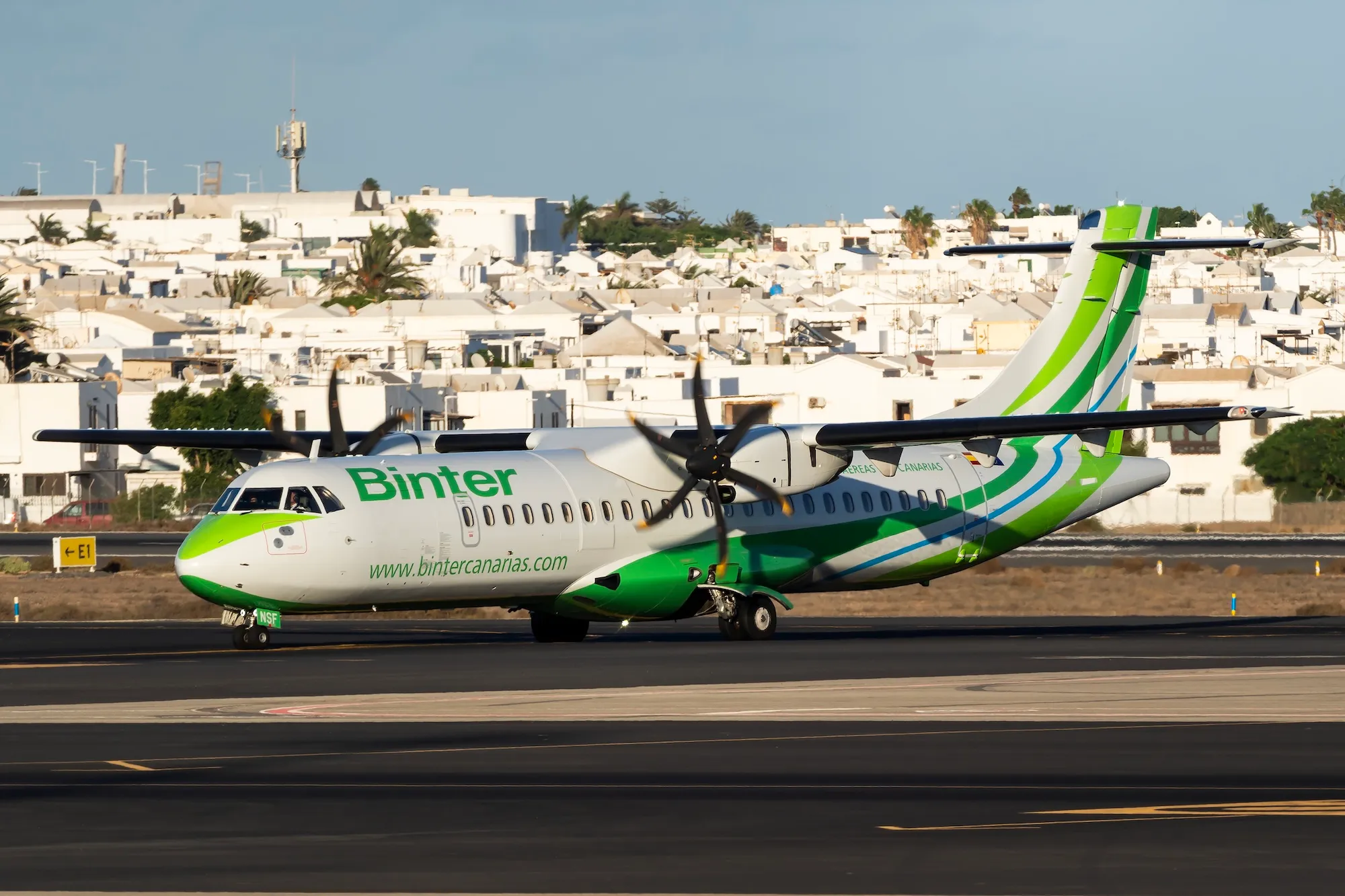
Binter’s interest is especially notable because the Canary Islands carrier already has a commercial relationship with SATA. Azores Airlines has described Binter as a codeshare partner on flights between the Azores and the Canary Islands, with Binter-operated services connecting Gran Canaria (LPA) and Ponta Delgada (PDL).
The existing arrangement gives passengers access to both networks, including SATA Air Açores’ inter-island flights and Azores Airlines’ longer-haul services to cities such as Boston, New York, and Toronto. Binter also provides onward connectivity from the Canary Islands to Lanzarote, Fuerteventura, Tenerife North, Tenerife South, La Gomera, La Palma, and El Hierro.
Operationally, there is a clear island-network logic. Binter has built its business around regional aviation in the Canary Islands, while Azores Airlines and SATA Air Açores serve a similarly complex archipelago market in the North Atlantic. Binter’s fleet includes ATR 72 turboprops and Embraer E195-E2 jets, while the SATA/Azores Airlines fleet includes Airbus A320neo-family aircraft, A321LRs, and turboprops for regional operations.
What it means
For Azores Airlines, the renewed sale process is a critical attempt to stabilize the carrier, attract private capital, and satisfy EU restructuring commitments. For the Azores, the stakes are larger than ownership: the airline is tied directly to tourism, diaspora traffic, territorial connectivity, and links between the islands, mainland Portugal, Europe, and North America.
Binter may be the most strategically natural bidder because it already understands island aviation and has an existing codeshare relationship with SATA. Contrary to recent reports online, Icelandair is not an interested party.
The key point for now is precision: Azores Airlines has not been sold. The sale process is being prepared, several parties have shown informal interest, and Binter is the name being discussed. The next real milestone will be whether this expression of interest becomes a non-binding offer — and then a binding bid — before the EU restructuring clock runs out.
Featured image: Lorenzo Giacobbo/Airways



.avif)