Asia-Pacific Airlines Bank Record US$12.1B Profit as Fuel Costs Conflict Threaten Next Year



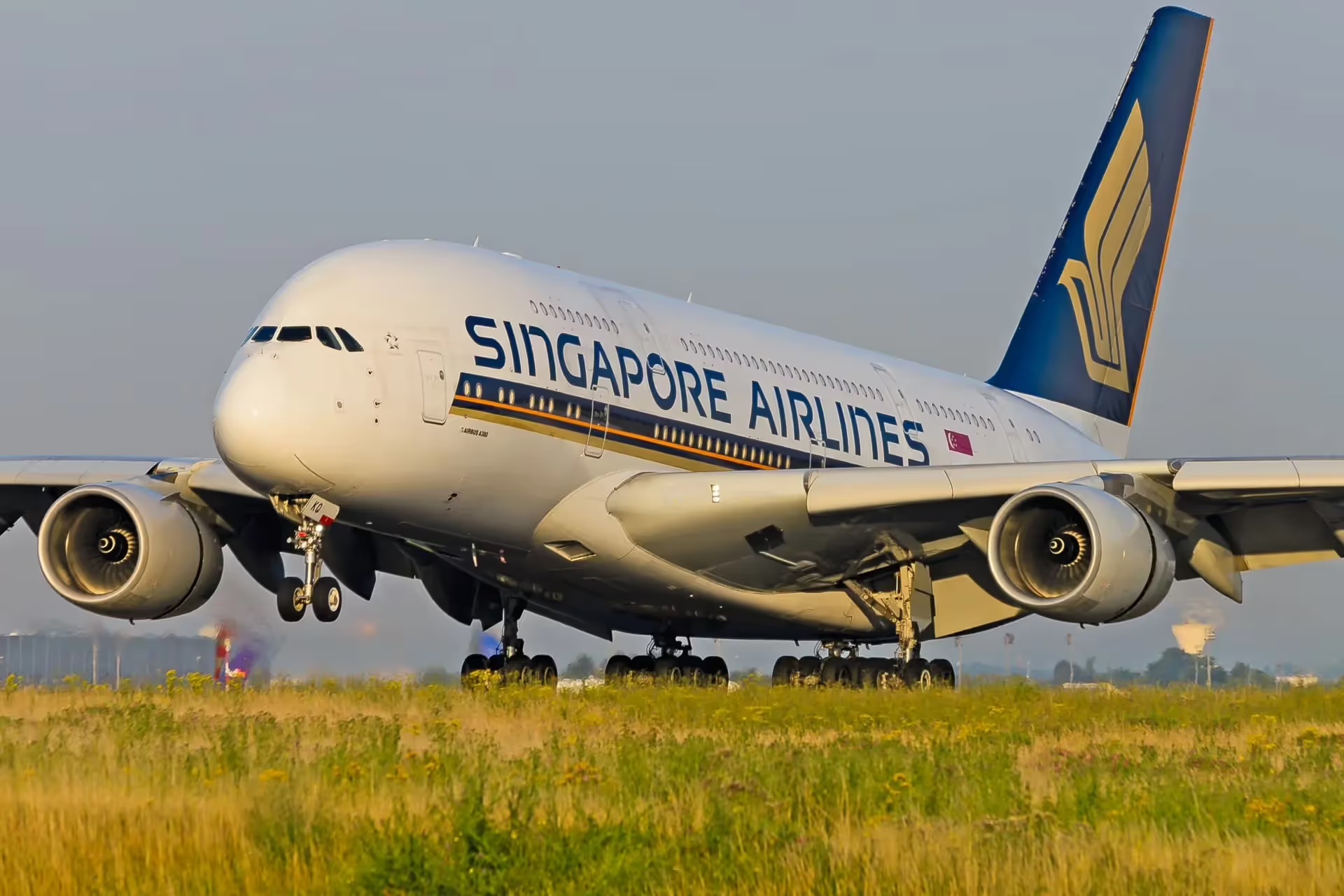
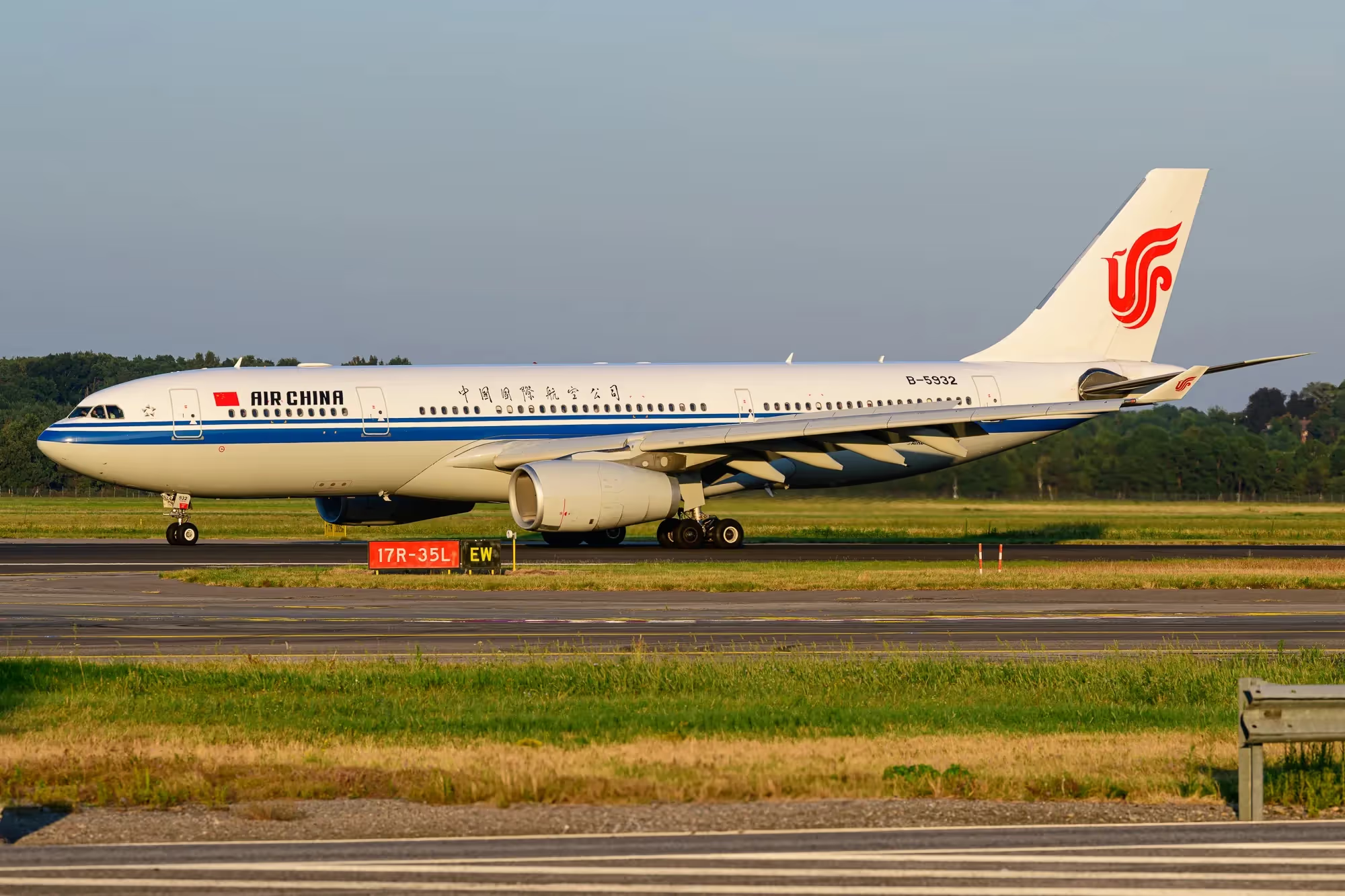
LONDON — The Association of Asia Pacific Airlines (AAPA) reported combined net profits of US$12.1 billion for member carriers in 2025, capping a year of steady demand growth and easing fuel costs. But the region's carriers are now flying into a sharply less favorable global backdrop, as the Iran war is dragging the Middle East into conflict, and a surge in jet fuel prices has prompted the International Air Transport Association (IATA) to cut its global profit forecast for the year by roughly half.
A Solid, if Middling, Year
AAPA's preliminary figures showed aggregated operating revenue of US$223.7 billion for 2025, a 4.3% increase from US$214.5 billion in 2024. Passenger revenue rose 4.7% to US$178.4 billion on 7.7% growth in systemwide passenger demand, even as yields fell 2.8% to 7.8 US cents per revenue passenger kilometer. Cargo revenue increased 1.4% to US$23.6 billion despite a 2.0% decline in freight yields, with volumes lifted in part by shippers front-loading cargo ahead of tariff increases.
Fuel expenditure fell 3.7% to US$58.3 billion as global jet fuel prices averaged US$88.8 per barrel, down 9.5% from 2024. That decline was largely offset by a 7.8% jump in non-fuel costs, to US$151.1 billion, as airlines absorbed higher staffing, leasing, maintenance and airport charges tied to persistent supply chain disruption. AAPA Director General Wong Hong said the region's carriers held operating margins at 6.4% for the year, calling it evidence of "continued operational discipline and nimbleness in responding to evolving market conditions."
Set against global data, Asia Pacific's performance was solidly profitable but not the industry's strongest. IATA figures for 2025 put Asia Pacific's operating margin at roughly 5.6%, trailing Latin America's 14.0% and the Middle East's 13.6%, and running close to Europe's 6.7% and North America's 6.4%. North America continued to generate the largest absolute net profit of any region in 2025, while Asia Pacific's roughly $9.8 billion regional net profit figure (per IATA's own regional accounting, which differs slightly from AAPA's member-carrier total) represented close to a quarter of the industry's global net profit for the year.
The Outlook Has Since Deteriorated
Wong Hong's caution in the AAPA release about "the ongoing conflict in the Middle East, together with broader geopolitical tensions" driving oil and currency volatility has proven prescient. IATA's outlook for 2026, published in December 2025, had projected a record global net profit of $41 billion with margins holding near 3.9%. By June 2026, IATA had slashed that forecast to $23.0 billion, with margins falling to 2.0%, citing war-related disruptions in the Middle East and a roughly 70% spike in jet fuel prices. Middle East carriers are now expected to swing to a collective loss for the year. Asia Pacific's own 2026 net profit forecast has been revised down to an estimated $6.6 billion, from $9.8 billion in 2025, with operating margin slipping to about 3.5% from 5.6%.
The episode underscores how quickly fuel and geopolitical shocks can erase a year of margin-building discipline, even for a region that entered 2026 on comparatively firm footing.
Fleet Strategy Holds Steady Despite the Squeeze
Aircraft order activity in the region shows little sign of retrenchment so far. Airlines placed 569 new orders globally in the first quarter of 2026, the strongest first-quarter total since 2013, even as deliveries ran about 4% below the same period in 2025. The shortfall reflects manufacturer production constraints rather than airline deferrals, with Airbus and Boeing both continuing to work through supply chain bottlenecks, quality issues and engine-related delays.
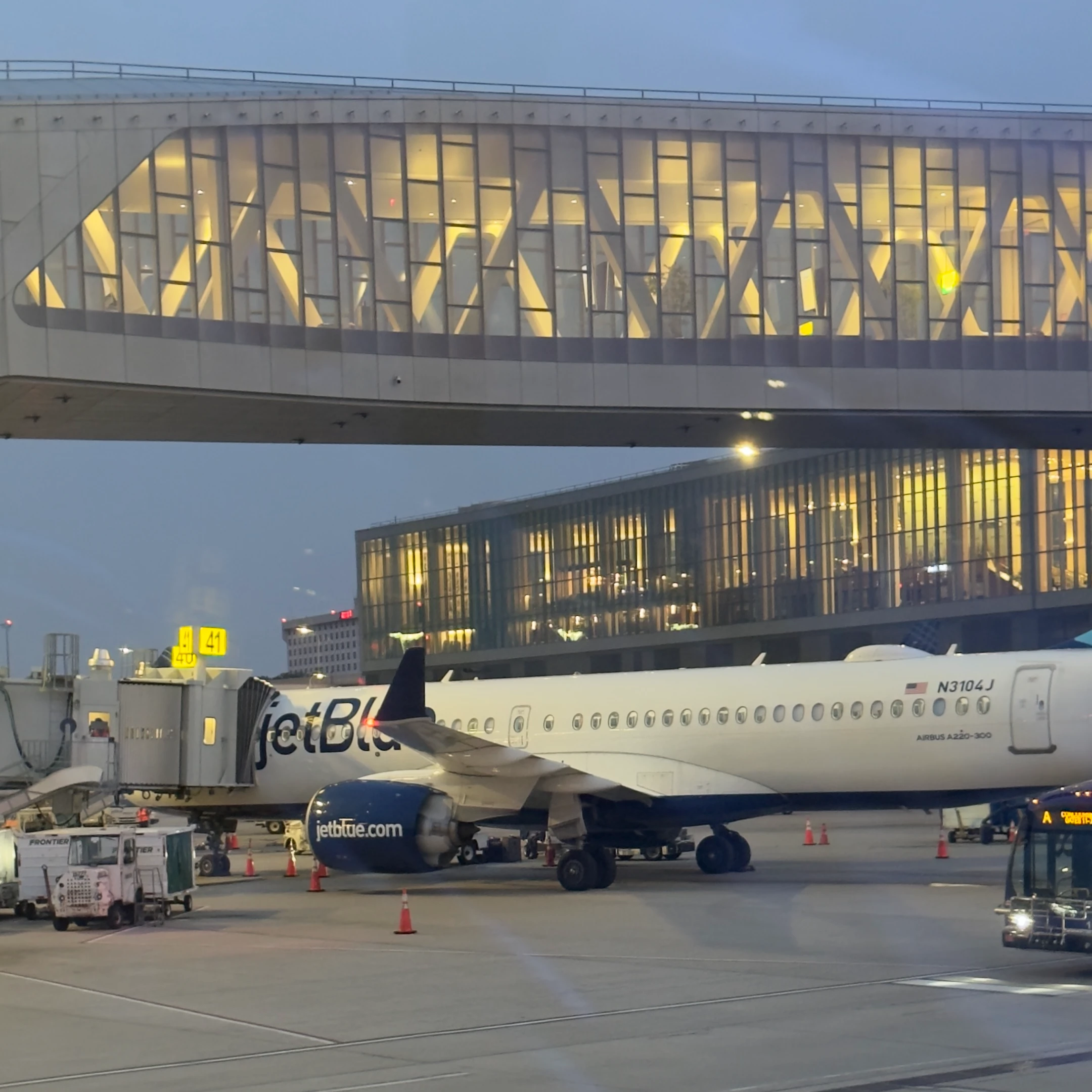
Asia Pacific carriers remain active buyers. AirAsia placed a 150-aircraft order for the A220-300 in 2026, pushing that program past 1,000 total firm orders and lifting its backlog after two comparatively weak years. China Eastern Airlines committed to 101 aircraft in a single Airbus order in March 2026. Narrowbody types, particularly the A321neo, 737 MAX and A220, continue to dominate regional demand as carriers prioritize network density over widebody expansion.
Backlogs at both manufacturers now stretch beyond ten years of production at current delivery rates, meaning many of these orders will not be filled before the early-to-mid 2030s. Delivery delays are also extending the working life of older aircraft, with the average Asia Pacific fleet age projected to reach 11.4 years in 2026, a trend that is sustaining demand for maintenance, repair and overhaul capacity across the region even as new-aircraft deliveries lag behind order intake.
Looking to 2027
For 2027, three pressures are likely to shape the region's trajectory. Fuel and currency volatility tied to the Middle East conflict remains the most immediate risk to margins, with the scale of the 2026 downgrade illustrating how exposed even well-managed carriers are to a single geopolitical shock. Delivery constraints at Airbus and Boeing are shifting from a short-term irritant to a structural planning problem, forcing airlines to manage aging fleets for longer than originally budgeted. And profitability across the industry is diverging by region and by carrier balance sheet strength, with the best-capitalized Asia Pacific full-service and low-cost groups positioned to keep expanding while weaker carriers face tighter margins for cost control and, potentially, consolidation pressure.
Wong Hong's assessment that the region's carriers "remain on a solid footing" while facing "a challenging operating environment" that "shows no sign of abating" reads, in hindsight, as an accurate preview of the months that followed.
Featured image: Nuno Seletti/Airways



.avif)