

.webp)
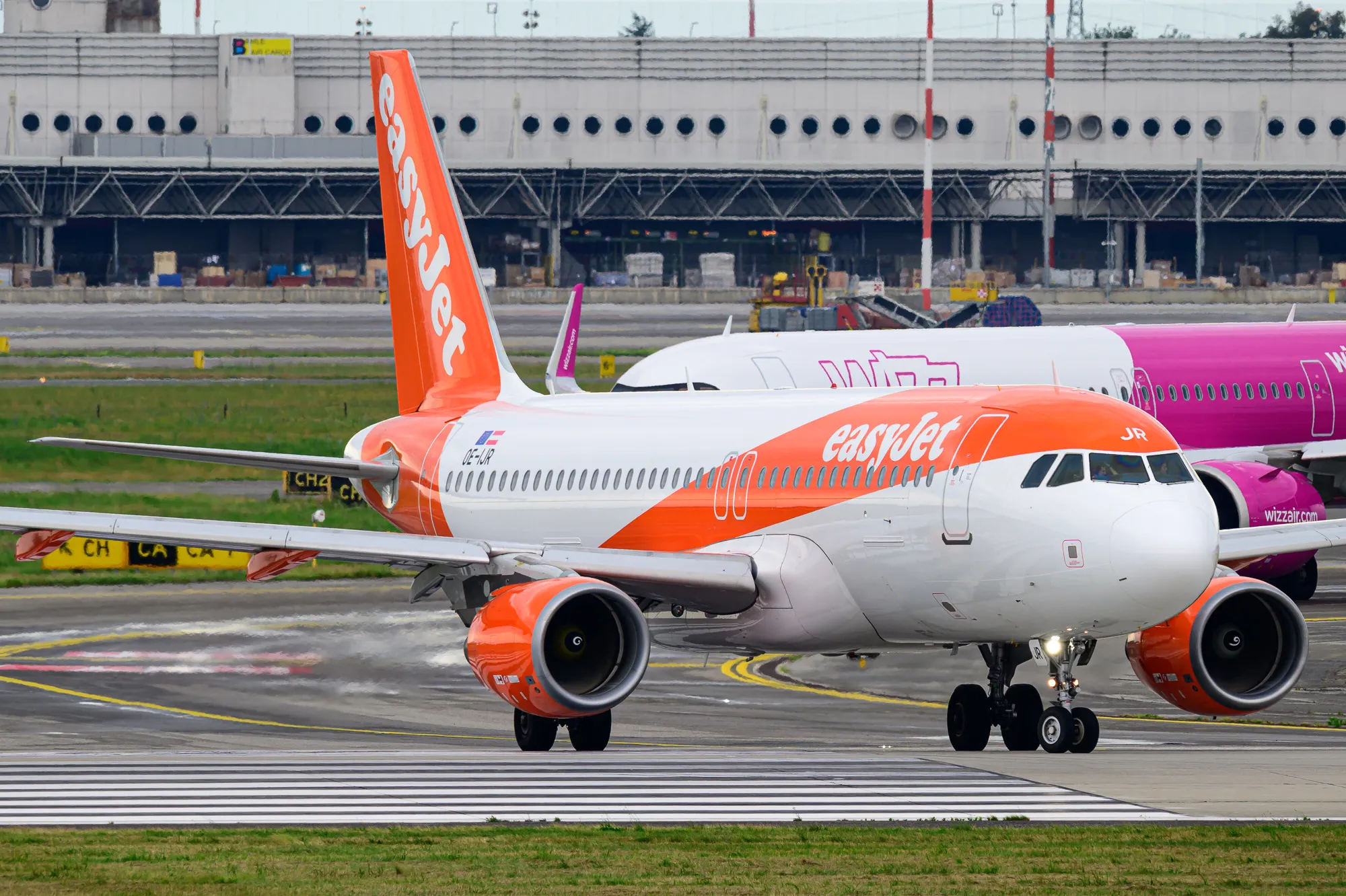

NEW DELHI — Air India (AI) seems to be reconsidering its aggressive growth strategy, with the Tata Group-owned carrier in talks with Airbus and Boeing to slow aircraft deliveries, cut flights, and postpone some expansion plans.
Reuters, confirming earlier Bloomberg reporting, said Indian flag carrier is seeking to defer the delivery of hundreds of aircraft as it works to reduce costs. The Telegraph India also reported that the airline is in discussions with Airbus and Boeing to slow deliveries of as many as 500 previously ordered aircraft.
Delivery timing under review
The reported talks do not mean Air India is walking away from its fleet renewal plan. A delivery deferral, not uncommon, would instead push some aircraft handovers further into the future, delaying major payments due when aircraft are delivered.
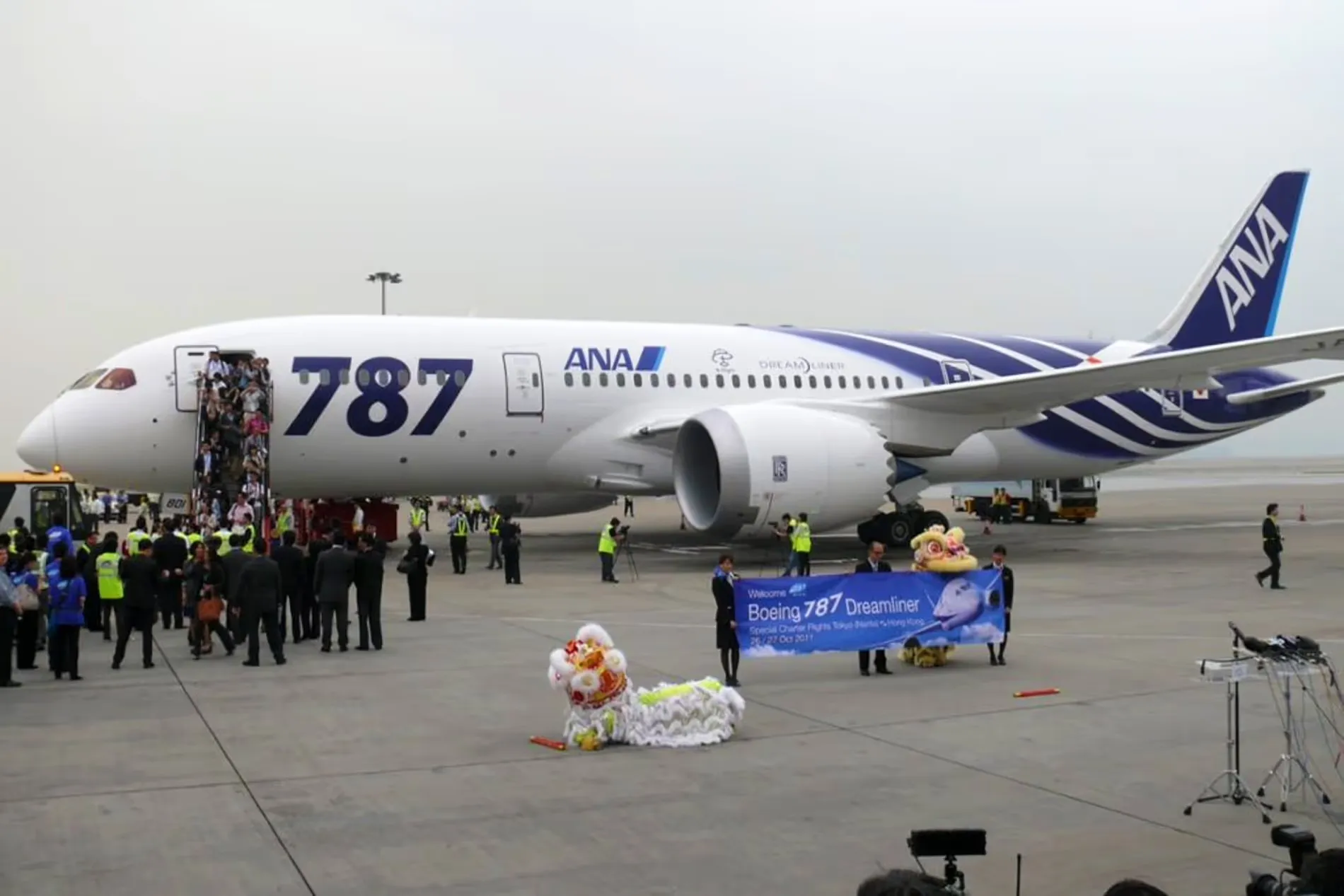
That distinction matters because Air India’s orderbook remains one of the largest in global aviation. In 2023, the airline firmed up orders for 470 aircraft, including 250 Airbus jets and 220 Boeing aircraft. The order included Airbus A350s, A320neo-family aircraft, Boeing 787s, 777Xs, and 737 MAX jets.
Air India later added 100 more Airbus aircraft in 2024, bringing its disclosed Airbus commitments higher, and in January 2026 announced additional Boeing narrowbody commitments while converting part of its Airbus order to A321XLRs.
From expansion to stabilization
The slowdown would mark a shift from the post-privatization growth narrative that has defined Air India since Tata regained control of the carrier in 2022. The airline has been rebuilding its brand, fleet, cabins, technology, and network while also integrating Vistara and Air India Express (IX) into a broader group structure.
But the financial pressure has become harder to ignore. Business Standard, citing Bloomberg, reported that Air India has incurred an annual loss equivalent to about US$3 billion, while Reuters said the carrier is facing mounting losses and operational disruptions linked to the Iran conflict, Pakistan’s airspace restrictions, and lingering confidence issues after last year’s fatal Boeing 787 crash.
Air India has already cut flights on several routes, citing airspace restrictions and record jet fuel prices. The carrier is also reportedly reevaluating new domestic and international route launches, including plans tied to Noida International Airport (DXN), the new airport serving the Delhi National Capital Region.
Everyone, take a beat
For Air India, the reported delivery talks suggest a more disciplined phase of the turnaround. The airline still needs new aircraft to replace older jets, improve reliability, and compete with IndiGo (6E), Middle Eastern carriers, and major long-haul network airlines. But taking aircraft faster than the operation and balance sheet can absorb would add pressure at the wrong time.
For Airbus and Boeing, any deferral would matter because Air India has become one of the most visible customers in both manufacturers’ backlogs. A slower delivery pace would not erase the long-term orderbook, but it could change near-term delivery timing and cash flow expectations.
The broader takeaway is that Air India’s transformation is entering a less glamorous stage: the immediate priority appears to be stabilizing losses, protecting liquidity, and matching growth to what the airline can operationally support.
Featured image:


.webp)