

.webp)

MIAMI — Data recovered from 21 Air (2I) Flight 7598 show a brief increase in throttle settings consistent with go-around thrust during its landing sequence at Miami International Airport (MIA). The National Transportation Safety Board (NTSB) released the findings at its September 8 briefing on the fatal Boeing 767 overrun.
Investigators said the brakes were released as the throttle settings increased, then reapplied four seconds later as the throttles returned to idle. Investigator-in-charge Chihoon Shin said the recorded data showed no indication that speed brakes or thrust reversers had deployed.
The Boeing 767-300 freighter, operating for Amazon Air, overran Runway 30 during landing from San Juan, Puerto Rico (SJU), on September 6. All five people killed were in two vehicles struck on the ground, the NTSB said. Both Pilots were treated and released from the hospital, ABC News reported, citing the Miami-Dade County Sheriff’s Office.
The findings add a landing sequence to Airways’ earlier coverage of the fatal overrun and recorder recovery. They do not establish why the throttle settings changed or what caused the accident.
What the Flight Recorder Shows
Shin presented selected events measured backward from the end of the flight data recording. The sequence, also reproduced by Flightradar24, uses groundspeed rather than indicated airspeed.
Shin said the throttles remained at idle and the brakes continued to be applied until the recording ended.
These are not countdowns to impact. At the briefing, NTSB Chairwoman Jennifer Homendy said investigators had yet to establish how the reported events related to the aircraft’s distance from a van it struck or other impacts. The final speed is the last recorded value, not a speed at which the aircraft stopped.
Interviews and Performance Study
Shin said crew interviews were needed to understand how the controls had been manipulated, including actions that might not have been verbalized. He declined to draw conclusions about system operation pending an aircraft-performance study and analysis of the full recorder data.
Homendy said the cockpit voice recorder contained more than two hours of good-quality audio, while the flight data recorder held approximately 55 hours of data covering more than 400 parameters. She said interviews with the Pilots were scheduled for September 9 and that the agency planned to provide a cockpit-voice-recorder readout afterward.
The NTSB lists the investigation as ongoing. The September 8 briefing presented selected evidence; it was not a determination of probable cause.
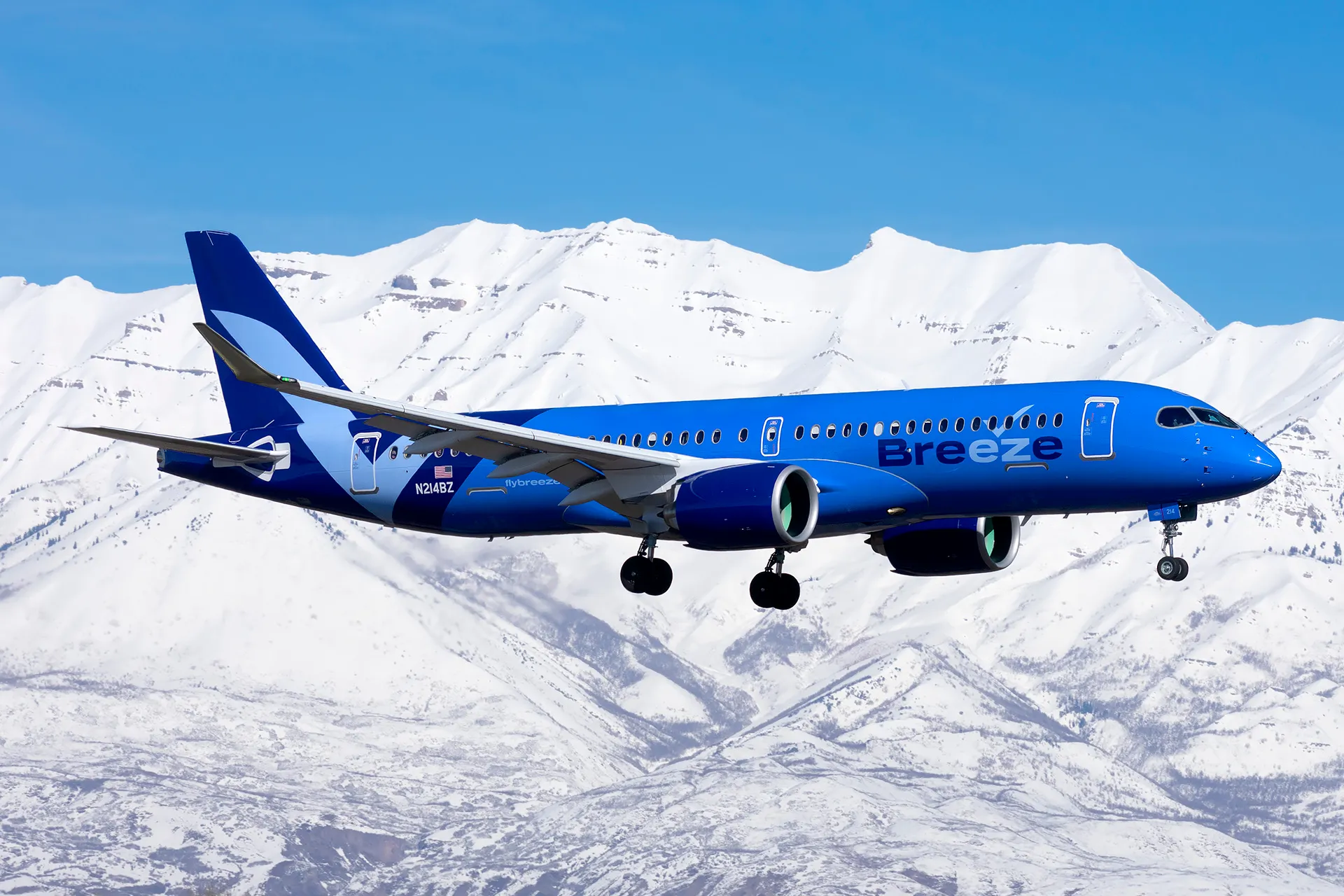
Featured image: Mateo Skinner/Airways - Same aircraft type but not the aircraft involved.



.webp)