From Wrenches to Sidesticks: The 14,000-Hour Resilience of Capt Peter Szekeres

.webp)
.webp)
.webp)
.webp)
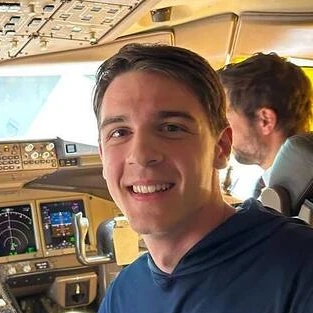
BUDAPEST — The cockpit of an Airbus A321 is a study in modern aviation. Modern displays glow in soft blues and greens, sidesticks replaced traditional control columns, and computers silently manage thousands of calculations every second.
For Captain Peter Szekeres, this environment is simply the office. With more than 14,000 hours in the air, airline flying is familiar territory.
But the road that brought him there was anything but smooth.
His background nearly prepared him for what was coming - small airplanes, remote islands, mechanical improvisation, and the kind of flying that forces a pilot to understand the machine beneath him truly.
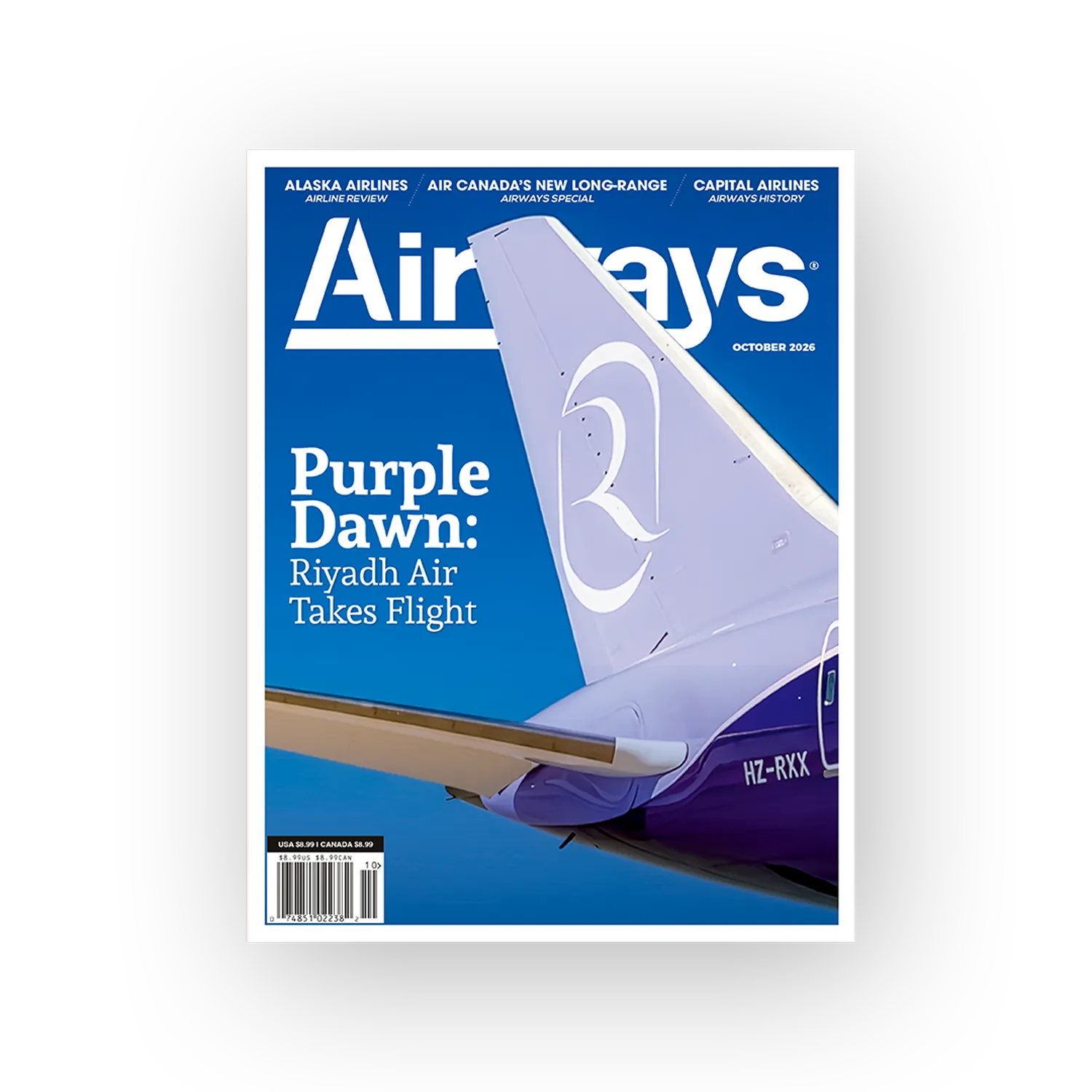
I first met Peter at a local flying field near Budapest, where he and two of his friends, including an ex-MIG-21 fighter pilot, organized an introductory flight, where they surprised me with a brand-new David Clark H10-13.4 Headset, as a motivation for my upcoming career in the world of aviation, and with a bunch of airplane magazines as well.
When we met, he explained all the systems the way a mechanic might explain an engine. Calmly, logically, and with the quiet confidence of someone who has spent years troubleshooting machines in the real world.
Over time, what began as curiosity turned into mentorship—and eventually a genuine friendship.
Starting from scratch in Hawai’i
Peter’s path into aviation began in a way few pilots can relate to. He was born in Hungary and grew up under communism. His parents didn’t have the money to buy him a car, so he sold his skateboard and bought a worn‑out vehicle of his own. Keeping it running forced him to learn how machines worked, turning him into a self‑taught mechanic long before he ever set foot in a cockpit. Those early lessons—problem‑solving, improvising, fixing things with his own hands—would quietly shape the rest of his career.
His journey took him to the island of Saipan, where he worked as a lifeguard at a hotel resort and met the woman who would become his wife. The two later moved to Spokane, but the city offered no real opportunities for flight training. While searching for direction, he took a job at an engine‑rebuild factory, deepening his understanding of mechanics even further. Eventually, they decided to move again—this time to Hawai‘i, a decision that changed everything.
Hawai‘i was where Peter finally began learning to fly. At the same time, he was still learning English, so his language and flying lessons ran in parallel. After earning his ratings, he bought a Beech Musketeer that barely worked and spent months restoring it into a safe, reliable airplane. By the time it was airborne, he had already learned more about aircraft systems than most new pilots.
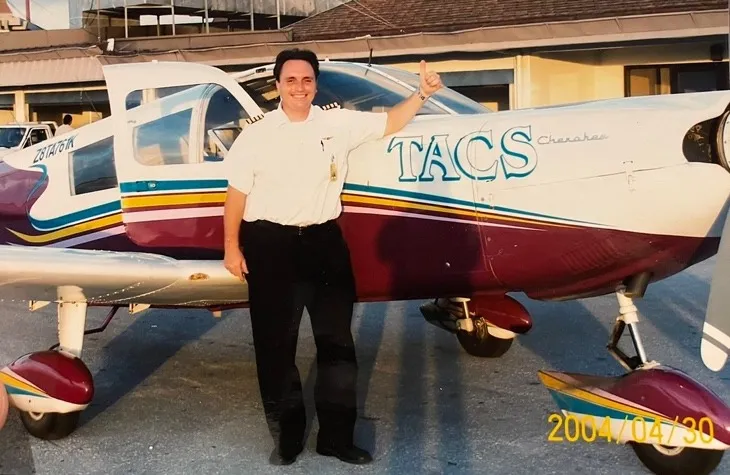
A one-airplane airline
Once he reached 500 hours, an unusual opportunity brought him back to Saipan. Although there was an airline on the islands, the casino was dissatisfied with their service, so they turned to Peter, who ended up building a tiny one‑airplane operation from scratch.
The operation ran as a Part 135 single‑pilot on‑demand service using a Cherokee Six, which meant he was responsible for everything from planning to flying.
Most flights were at night, carrying Chinese tourists between islands under VFR in unpredictable Pacific weather. The environment demanded discipline and sharp situational awareness. Those flights taught him how to manage risk, stay ahead of the aircraft, and handle emergencies with calm and logic—skills that would stay with him throughout his entire flying career.
After reaching the required hours, Peter traveled to Oregon to complete his ATP and began searching for a twin‑engine flying job. Someone finally gave him a chance at Salmon Air, where he flew a turbocharged Piper PA-31-350 Navajo Chieftain across the rugged terrain of backcountry Utah. It was demanding flying—but it was also the door that finally opened the way to the airlines.
The long road through regional airlines
In 2005, after years of grinding through small operations and remote flying jobs, Peter was hired by ExpressJet. He started as a first officer, was later promoted to captain, and spent 12 years in the regional airline industry. When the time came to move on, he applied to several carriers, hoping for a place where he could finally build long‑term stability.
Frontier Airlines called in 2017. From the start, he felt at home there. He loved the people, the culture, and—he often said—the fact that Frontier had “the nicest livery in the industry.” After everything he had gone through to reach a major airline, he considered himself incredibly fortunate to be part of the company.
When the career stops
In 2022, Peter faced the most serious challenge of his career—and his life.
One day, flying from Baltimore to Miami, he began experiencing sharp chest pain, but he didn’t think much of it. The next day, it became very serious, and he went to the hospital, where he found out that the pain was caused by a pulmonary embolism.
This diagnosis grounded him immediately.
For airline pilots, losing a medical certificate is more than just a professional setback—it can feel like losing a part of who they are. Without it, flying simply isn’t possible.
The months that followed were filled with recovery, medical checks, and long stretches of uncertainty about whether he would ever return to the cockpit. During his recovery, having a hobby like fixing old cars kept him cheerful and gave him a positive outlook on life.
Returning to work was very difficult due to shortcomings in the pilot contract. At Frontier Airlines (F9), the lack of a bridge between long‑term disability and returning to work—along with losing medical insurance—made his recovery especially difficult and challenging.

Back in the left seat
After a lengthy medical review process, Peter finally received the news he had been hoping for.
He was cleared to fly again.
Today, he serves as a captain at F9, flying the Airbus A320/A321—one of the most advanced narrow-body airliners currently in service.
Yet the core of flying remains the same. “The airplanes are new, and the working conditions are outstanding,” Peter says. “It’s a great place to be.”
Still, he laughs when reflecting on the long road that brought him there. “I just got here a little later than I originally planned.”
A career built on persistence
Peter Szekeres’ story reflects a generation of pilots who bridged two very different eras of aviation.
He learned to fly in small aircraft, where hands-on skills and mechanical awareness were essential. Today, he commands a highly automated airliner designed for the complexities of modern airline operations.
Along the way, his career was full of economic downturns, industry changes, and a serious medical crisis that nearly ended his time in the sky.
Yet he kept moving forward.
Fourteen thousand hours in a logbook may appear to be just a number. But behind those hours lies a journey that stretches from Hawai’i to the Pacific islands, across the mountains of Utah, through years of regional airline flying, and finally into the cockpit of a modern Airbus.
For the many young pilots who learn from his advice, Peter’s story offers a simple lesson.
In aviation—as in life—timing doesn’t always go according to plan. Persistence, however, can carry you farther than you ever expected.
Featured image: Capt Peter Szekeres



.avif)