




CHICAGO — United Airlines (UA) is taking steps to restrict unauthorized third-party artificial intelligence agents from accessing its digital platforms, extending the policy to access through travel agencies and aggregators.
The November 11 statement says the work includes changes to booking, ticketing, and distribution policies. United cites risks from customers sharing account credentials, including unintended purchases, account changes, and use of MileagePlus miles.
The airline also warns that automated actions could conflict with Federal Aviation Administration and Department of Transportation requirements. It gives check-in declarations about prohibited baggage contents as an example requiring human acknowledgment. That is United's stated concern; its announcement does not identify a regulatory finding against a particular AI tool.
United says it will update its Digital Trust Center with account-protection information. Its statement does not detail enforcement methods or an implementation timetable.
JetBlue Weighs Distribution Costs
JetBlue Airways (B6) President Marty St. George offered a more receptive view of customer demand at the Skift Commerce Summit in New York on November 11, according to Reuters' account of his remarks.
St. George acknowledged that AI intermediaries could eventually seek payment for directing bookings, creating another distribution expense for airlines. He compared that prospect with online travel agencies and said direct customer relationships help JetBlue market its products.
Despite those concerns, he argued airlines should adapt if passengers prefer AI booking tools. His comments describe a commercial approach; the remarks reported by Reuters do not announce a JetBlue authorization process for autonomous agents.
The two positions highlight different questions for airline distribution. United is addressing what outside software may do inside a passenger's account. St. George is considering how airlines should reach customers who choose another booking interface, and what that channel might cost.
For passengers, permission to act is the unresolved practical question. United's statement leaves the process for authorizing an outside agent unspecified.
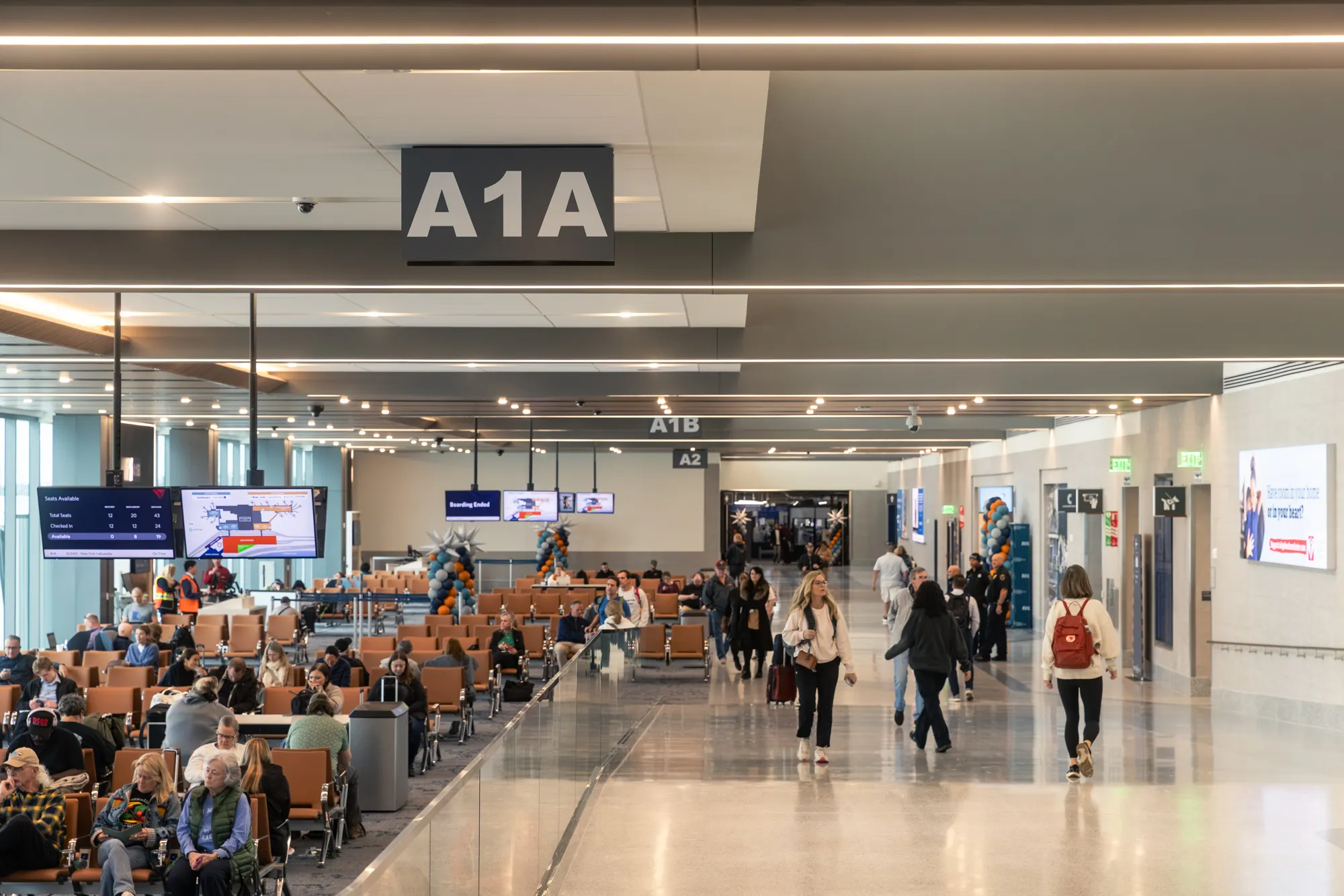
Featured image: Lorenzo Giacobbo/Airways


