

.webp)
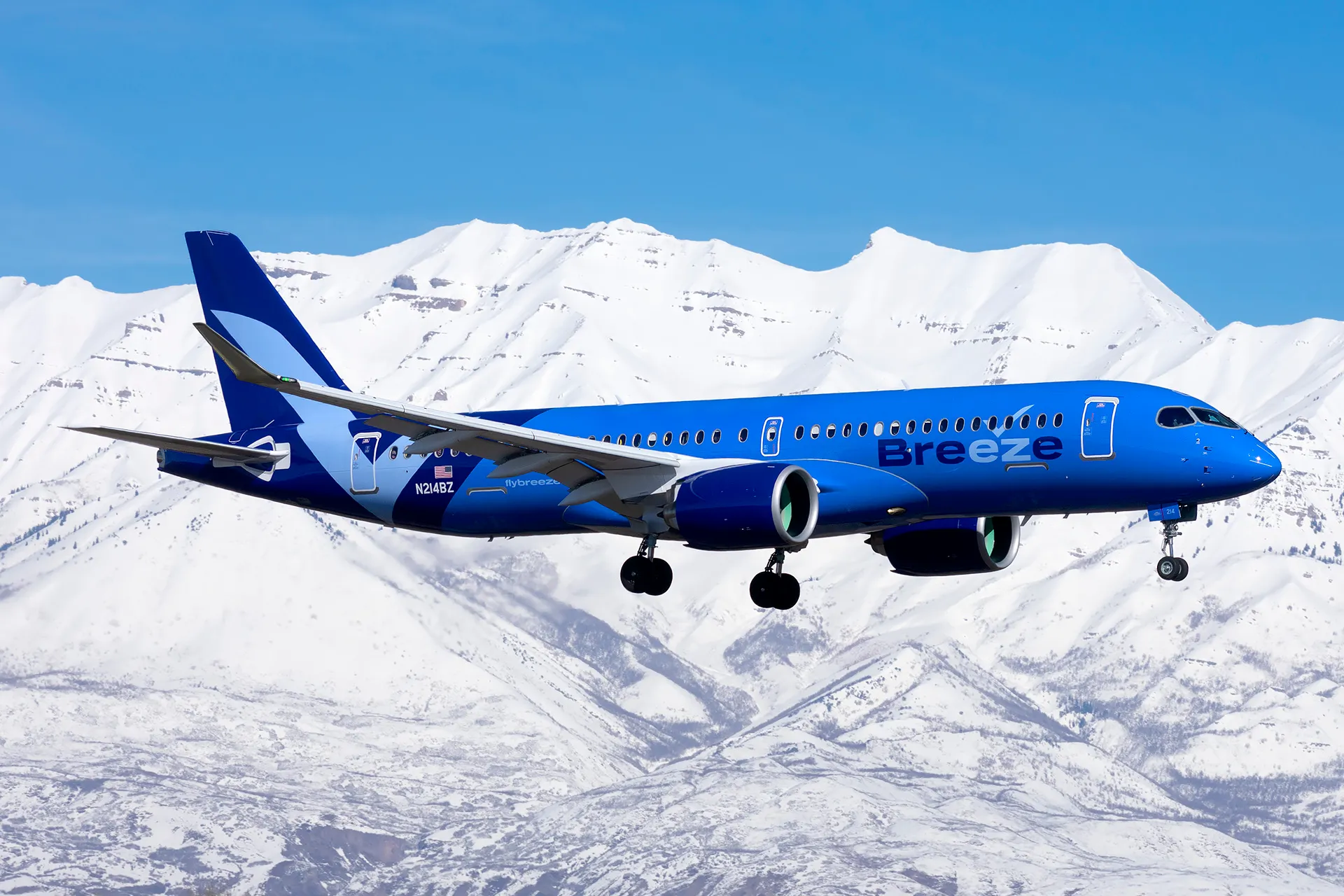

DANIA BEACH — Spirit Airlines (NK) has requested approval from a U.S. bankruptcy court to pay US$10.7 million in retention bonuses to employees who stay through the wind-down, signaling that the company now views its shutdown as final.
According to a court filing cited by Reuters, Spirit stated the payments are necessary to retain employees essential for an orderly closure. The bonuses would average US$76,000 per participant. The company also plans separate payments for its top three executives, though those amounts have not been disclosed.
No path back
The sharper line in the filing came from Chief Financial Officer Fred Comer, who said Spirit had “no alternative to an orderly wind-down” and that there were “no longer any viable paths to a restructuring or continued operations.”
This language is significant. It shifts Spirit’s situation from emergency disruption to formal liquidation. The company is no longer seeking rescue but is requesting the court’s assistance to close operations properly.
.webp)
Why the bonuses matter
Retention bonuses may seem surprising during a collapse, especially as many employees and customers are affected. However, the company argues that it needs key staff in finance, legal, technical, operational, and asset management roles to preserve value, manage records, support lenders, and oversee the disposition of assets.
Spirit informed the court it lacks sufficient funds for a full auction of its assets. Instead, it seeks approval for expedited sales or, in some cases, abandonment, allowing lenders to repossess aircraft and engines directly.
Fuel finally broke the airline
Reuters reported that Spirit was already under significant pressure before the recent fuel crisis. The surge in jet fuel prices since March 1 added about US$100 million in additional costs, which the company stated exceeded its remaining liquidity.
The filing also provides further details on the failed rescue effort. Reuters reported that Spirit was in advanced discussions with the Trump administration for a US$500 million bailout, which could have given the government up to 90% of the airline’s equity. These talks ended due to creditor objections.
The story now
This filing marks Spirit’s transition into the administrative phase of its collapse. The focus now shifts to the timeline for employee departures, fleet disposition, creditor recovery, and the overall orderliness of the process.
The retention-motion filing underscores that, even during closure, the airline requires a core team to manage the process.
Featured image: Marty Basaria/Airways



.webp)