
.webp)
DALLAS — Southwest Airlines (WN) delivered its Q2 2025 financial results this week, showing softer earnings and revenue compared to last year. But even as it faced short-term headwinds, the Dallas-based airline doubled down on long-term transformation and backed it with a US$2 billion share repurchase program.
The report came with no sugar-coating. With summer bookings showing strain and cost pressures lingering, Southwest leaned into change, promising more flexibility, more product options, and more ways to generate ancillary revenue.
Turbulence in the Numbers
The carrier posted:
- Net income of US$213 million (US$0.39 per diluted share), versus US$367 million (US$0.58) in Q2 2024.
- Net income, excluding special items of US$230 million (US$0.43).
- Passenger revenues of US$6.6 billion, down 1.3% year‑over‑year.
- Operating revenues of US$7.2 billion, down 1.5% from US$7.35 billion in Q2 2024.
- Operating expenses of US$7.0 billion, up 0.9%; CASM‑X (non‑fuel unit costs) rose 6.4%.
- RASM slid 3.1% on a 1.6% capacity increase.
- Fuel costs averaged US$2.32 per gallon, slightly above guidance, while fuel efficiency improved 2.9%
Despite softened domestic leisure demand and lower fares, Southwest remained profitable and maintained strong liquidity:
- Available Seat Miles (ASMs) up 1.6%; average fleet of 810 aircraft after taking delivery of 17 Boeing 737‑8 MAX jets and retiring seven 737‑700s.
- Operating cash flow of US$1.15 billion; capital expenditures of US$635 million.
- Liquidity of US$3.8 billion in cash and equivalents plus a US$1.0 billion revolver; debt‑to‑capital at 39%
New Seating, New Strategy
Despite the dip in performance, Southwest’s Q2 story wasn’t just about earnings. It’s about change.
The airline is undergoing a significant shift in how it serves passengers:
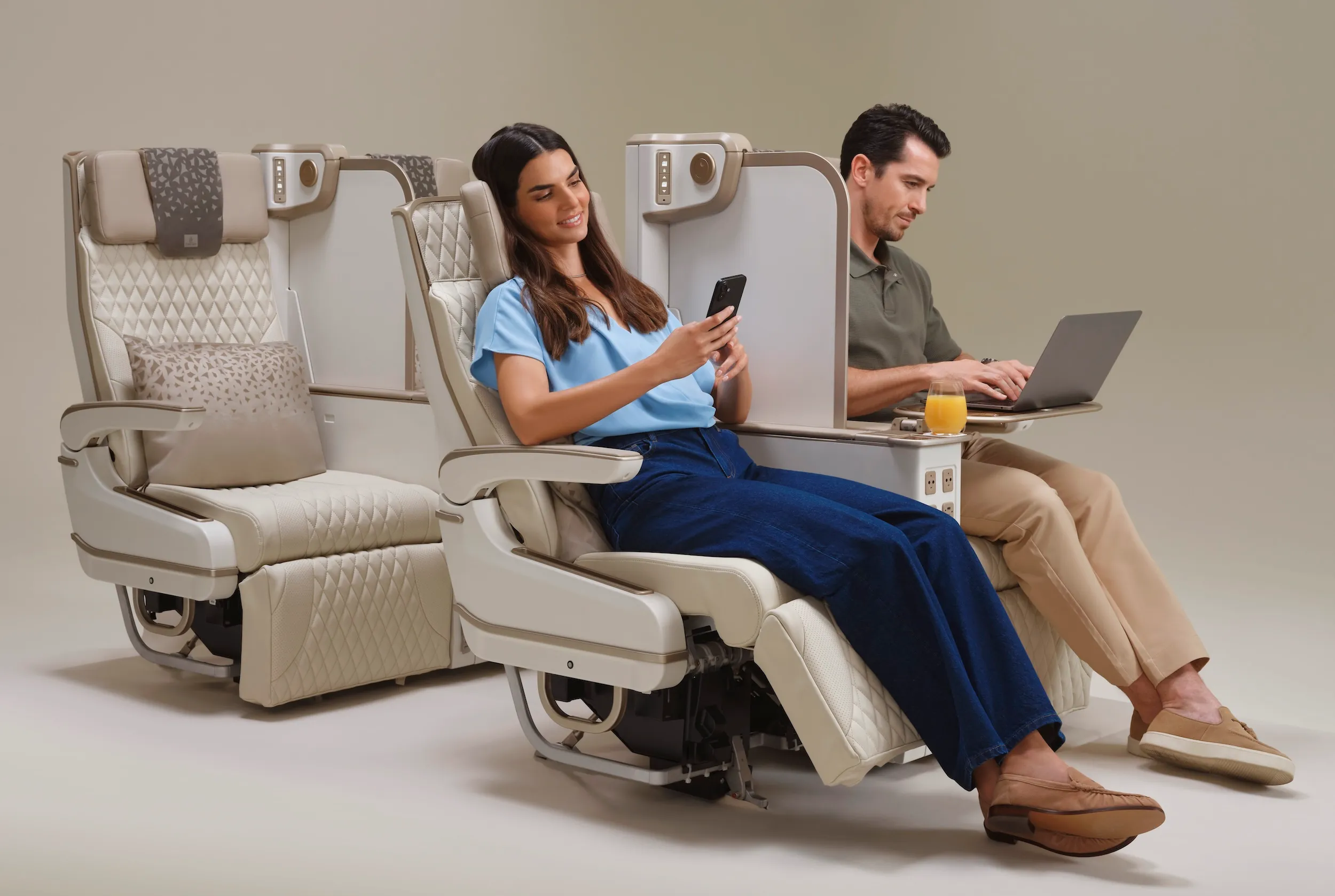
- Starting July 29, Southwest will begin selling premium and extra-legroom seats, with the rollout scheduled for flights from January 27, 2026.
- Assigned seating, which was long resisted by the airline, will also become available.
- Over 220 aircraft have already been retrofitted with updated cabins to support the changes.
These moves mark a significant departure from Southwest’s traditional single-class, open-seating model. And the early indicators are encouraging: ancillary revenues are on the rise.
Product Bundles, Bags, Buybacks
Southwest says its newer products, including enhanced EarlyBird Check-In, bundle pricing, and added seat options, are generating incremental revenue.
The airline also discontinued its decades-old “two bags fly free” policy in May this year, which means most travelers now pay US$35 for the first checked bag and US$45 for the second. It’s a clear pivot toward fee-based revenue. Southwest still maintains its core brand elements, but is now monetizing legacy perks, including checked bags, early boarding, Basic Economy, seat upgrades, and Wi-Fi.
In another significant move, Southwest’s Board authorized a US$2 billion share repurchase plan, which is expected to be completed over a two-year period.
Guidance and the Road Ahead
The airline reaffirmed its target of US$1.8 billion in EBIT contribution from strategic initiatives in 2025, with projections hitting US$4.3 billion by 2026.
Looking to Q3 2025:
- Capacity is expected to remain flat compared to last year.
- RASM is expected to range from down 2% to up 2% year-over-year.
- Operating costs per ASM, excluding fuel, are projected to rise 4.5% to 5.5%.
- Fuel costs are expected to average between US$2.40 and US$2.50 per gallon.
CEO Bob Jordan stayed firm in tone but acknowledged industry pressure:
“While the current environment is challenging, we're focused on executing well and evolving our model to unlock more value,” he said.
A New Southwest?
Southwest isn’t chasing glamour. It’s refining what it already does well. The airline hopes that offering customers more choices, without compromising its identity, will ultimately lead to higher margins and stronger loyalty. While the shift involves added costs for extras like early boarding, checked baggage, and other services, it's a departure from its all-inclusive past, but one the airline believes passengers will accept.
From new seating to bundled offers and a more diverse revenue mix, the airline is preparing for a different future. Q2 may have dipped, but Southwest’s message is clear: transformation is already underway, and it’s not turning back.
Stay tuned and keep following Airways. Follow us on LinkedIn and Instagram for the latest updates as well!
Featured image: Tony Bordelais/Airways


.avif)