

.webp)
BAKU — Silk Way West Airlines (7L) has taken delivery of its fourth Boeing 777 Freighter (777F), which arrived in Baku after a direct ferry flight from Seattle, marking another acquisition in the carrier’s ongoing fleet renewal program.
The aircraft is the fourth of six 777Fs ordered by the Azerbaijan-based cargo operator. Silk Way West says it has already phased out two 747-400 Freighters as part of the transition, with the final two 777Fs due in 2027, completing the first phase of its renewal plan.
Company president Wolfgang Meier framed the delivery as a “disciplined approach” to modernization—shifting away from older aircraft to improve operational performance while supporting sustainability goals. With the latest arrival, Silk Way West says its fleet now totals 12 aircraft.
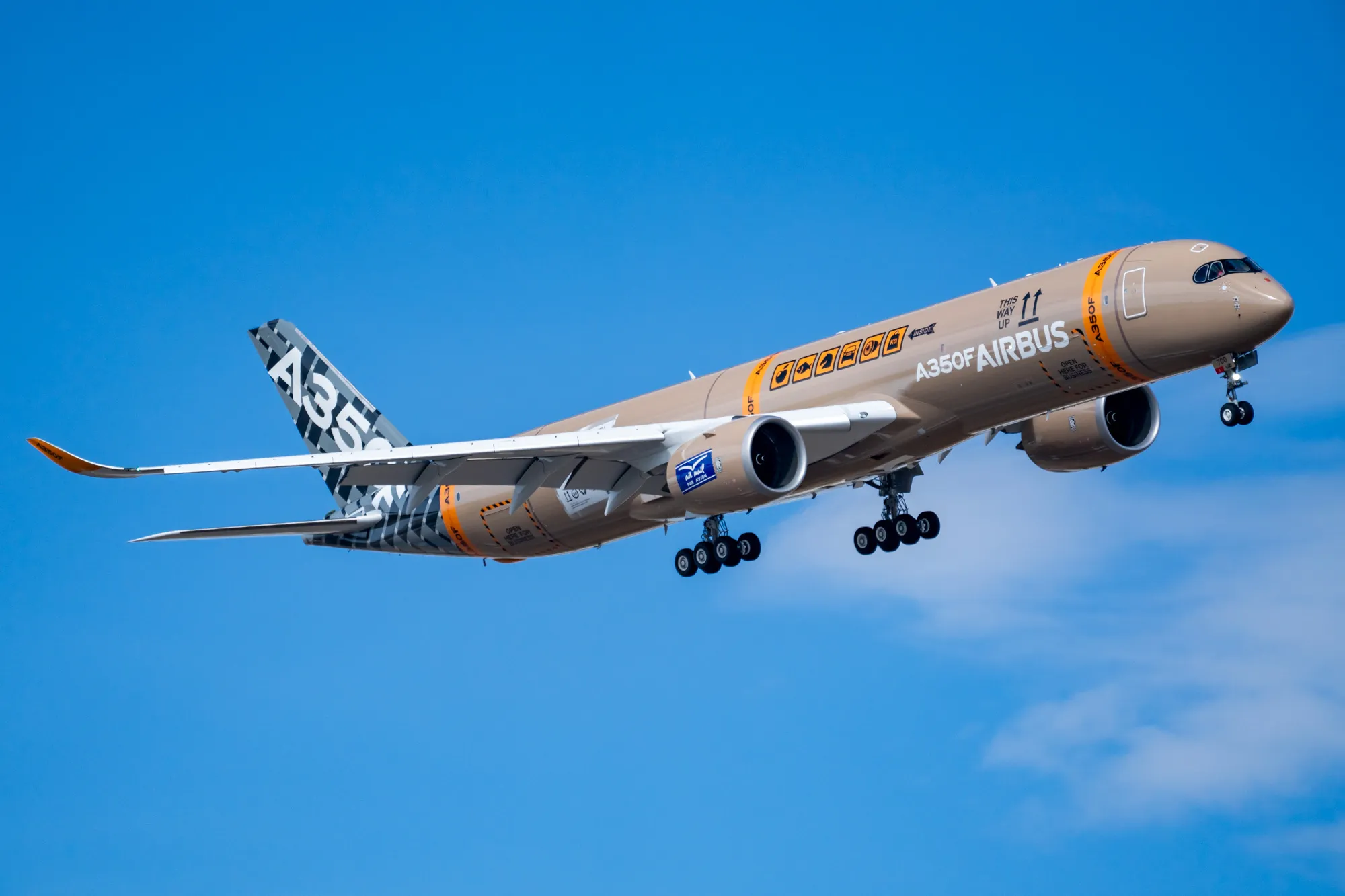
Looking ahead, the carrier says phase two begins in 2028, calling for four Airbus A350 Freighters and four Boeing 777-8 Freighters, with the broader modernization and growth plan targeting a 20-widebody fleet by 2030.
Aircraft, Market Context
Boeing markets the 777F as its longest-range twin-engine freighter, listing a 4,970 nmi range and 102 tonnes net payload. While over 270–300+ units have been delivered since its inception (with 312+ listed in some recent tallies), the vast majority remain active, with data around mid-2025 confirming over 200 actively flying.
The largest operator of the type is, FedEx Express (FX), which holds the largest fleet of 777Fs, with 51 aircraft.
Silk Way West’s steady 777F intake follows a wider cargo trend: twin-engine efficiency replacing aging quad-jets—but with a strategic hedge.
The airline is building near-term reliability with in-production 777Fs while lining up next-gen A350Fs and 777-8Fs for the next decade, a bet that also depends on program timelines and regulatory headwinds shaping the freighter market.
Featured image: Silk Way West Airlines



.avif)