The Silent Sentinels Keeping Every Commercial Flight Safe from Fire Risks


.webp)

In This Article
- The 2025 American Airlines Fires
- The 2024 Frontier Airlines A321 Brake Fire
- The 2009 Piper PA-28 Engine Fire
- Safe in the Skies
- FAQ on Aircraft Fire Extinguisher Cartridges
- What type of fire extinguisher is used in aircraft?
- What is the function of a squib in an aircraft fire extinguishing system?
- Why don’t airplanes have an automatic fire extinguisher for fires?
DALLAS — Aircraft fire extinguisher cartridges are among the most understated components of commercial aircraft. Many times, they have been the sole reason emergencies did not become known as historical catastrophes.
Aviation experts are responsible for sourcing reliable commercial aircraft fire extinguisher replacement parts and reviewing their expiration dates to ensure they are deployable when needed most. These case studies exemplify how instrumental these tools are for delivering a flight experience that prioritizes public safety.
The 2025 American Airlines fires
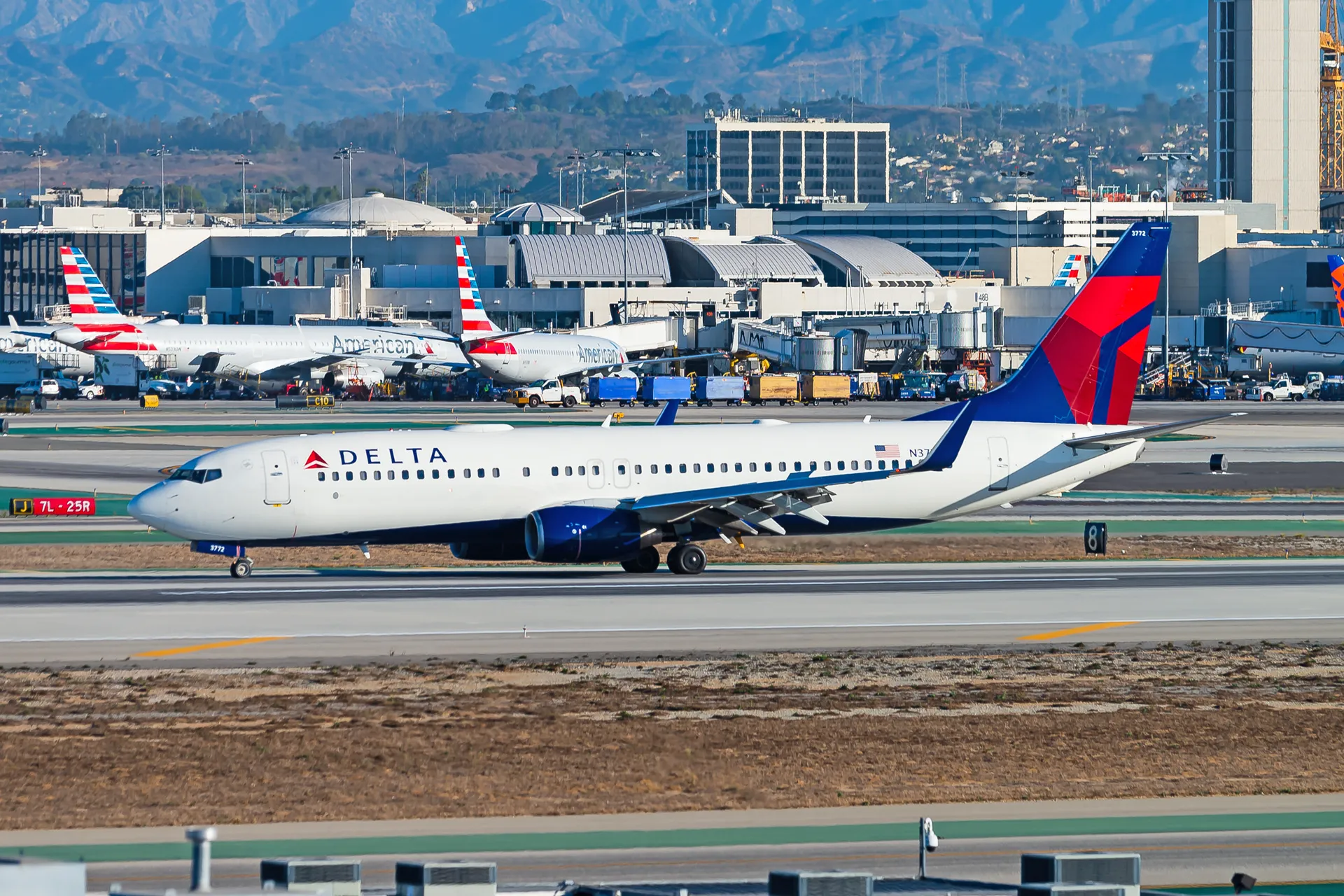
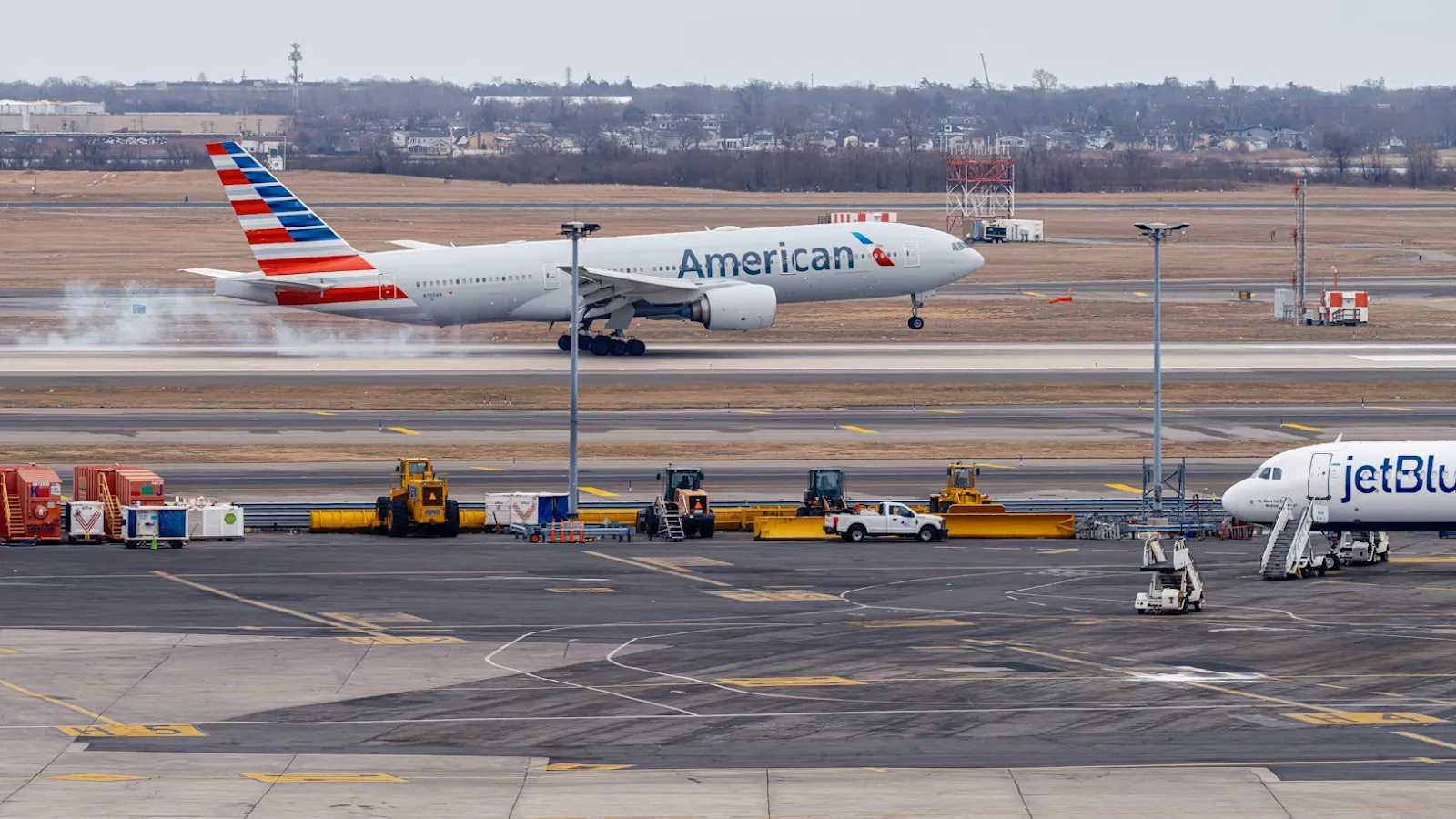
An unexpected landing shortly after takeoff in Denver from an American Airlines Boeing 737 was catalyzed by an assembly error. The crew landed the plane after noticing some vibrations coming from the engine. A fire erupted, and smoke spread through the aircraft, prompting the 172 passengers to alert the crew. The engine failed because a VSV actuator was installed and fastened backwards, causing fuel leaks.
The gate ramp staff extinguished the flames in less than 60 seconds, demonstrating the value of robust fire safety training. With the fire in such a vulnerable spot and exposed to fuel leaks, this could have turned into something much worse. Along with engine failures, the following issues are common causes of aircraft fires:
- Electrical malfunctions
- Maintenance oversights
- Chemicals
- Passenger devices
American Airlines experienced another fire-safety hazard in 2025, when a lithium-ion battery caught fire in the cabin. Attendants grabbed onboard fire extinguishers and a bottle of water to extinguish the object. Knowing how to quickly access and deploy extinguishers in the cabin is essential, especially with the rise of electromagnetic interference-related fires on aircraft. Despite security checks and regulations, airlines are still identifying which modern technologies pose hazards.
Without adequate aircraft fire extinguisher cartridges, the passengers could have been in more trouble. This is why aircraft undergo several checks before carrying passengers. Businesses like AETC provide airlines with guidance on the cartridge sizes they need for specific planes, which range from 0.08 to 0.6 inches in diameter. Connecting with experts who have crossover knowledge of fire and aircraft safety is essential for getting the most precise and reliable equipment, especially initiator-type cartridges or squibs.
The 2024 Frontier Airlines A321 brake fire
On October 5, 2024, an Airbus A321 operated by Frontier Airlines landed in Las Vegas, but a smoky smell permeated the cockpit. Radar contact signals failed temporarily, and an emergency landing was required. Once the plane was on the ground, a fire in the right main landing gear appeared, extinguished by emergency personnel. All passengers safely disembarked, and responders deployed specialized equipment to control the blaze around the gear and engines.
When a fire extinguisher is insufficient, more robust fire suppression equipment is necessary. These extinguishers and detection systems need to be durable enough to withstand the elements and be made of titanium or stainless steel, like Kidde Aerospace and Defense’s models. Material choice is essential to ensure adaptability and responsiveness, especially if crew-commanded controls are required.
Reports suggest a fan faulted, inciting the fire. The component is essential for cooling the avionic compartment, but as the situation worsened, critical systems were unable to operate due to insufficient power. Viable extinguishing systems are essential so the crew can execute checklists to restore system functionality to make a safe landing. However, the crew was unable to follow through with protocols. Fortunately, the fire was controlled despite this.
The 2009 Piper PA-28 engine fire
Before pilots and crew ready themselves to handle an aircraft full of passengers, they spend hours training. One student and a flight instructor had some early experience in fire prevention in 2009 when the plane would not start on the runway. The engine compartment was smoking after several attempts to start it. The engine caught fire, and the firewall was damaged.
The cause of the fire was never fully identified, though repeated restarts could have exacerbated damage to the air box and, likely, led to a fuel-air explosion. The methods by which, and whether, they responded to the flames, apart from contacting tower personnel, are unknown.
This scenario proves why a variety of manual and automatic fire safety equipment is essential on aircraft, including:
- Handheld fire extinguishers
- Toilet waste bin, bottle, and extinguishing systems
- Engine fire bottle extinguishers
- Cargo hold fire systems
Safe in the skies
Commercial aircraft must pay attention to the fine print of their fire safety equipment. Extinguishers do expire, and they need replacement parts, including cartridges, to remain useful in an emergency. Many case studies demonstrate their value and the need for teams to schedule regular maintenance.
FAQs on aircraft fire extinguisher cartridges
These examples demonstrate why compliant, up-to-date fire extinguishers could make or break a flight’s safety protocols. However, there are several questions the public may still have, even after understanding why these technologies operate as they do.
What type of fire extinguisher is used in aircraft?
The aviation industry needs a specific type of fire extinguisher. Conventional models could unintentionally do more damage. Common chemical agents, like monoammonium phosphate, are effective, but they corrode aluminum — permanently damaging expensive plane components. This is why commercial aircraft have halon-based extinguishers. Halon 1211 is the most common, while carbon dioxide-based models are also acceptable in larger spaces.
However, the substance is known for its ozone-depleting properties, and case studies prove companies are moving in a different direction. Organizations like JetSupport have supported initiatives such as the Montreal Protocol for the Dassault Falcon 7X by designing commercial aircraft fire-extinguisher replacement parts to make them more sustainable. The project enabled the airline to remain compliant with these strict regulations because of its innovations.
What is the function of fire extinguisher squibs for aircraft?
When responding to a fire on an aircraft, an extinguisher releases the suppressing agent via a cartridge or squib. This can be triggered mechanically or electrically, and they connect to the discharge valve to release the agents.
Why don’t airplanes have an automatic fire extinguisher for fires?
Fire-suppression systems are available in some parts of the plane, but manual activation is typically required, including in the cabin, where the flight crew will use onboard extinguishers. Aircraft Spruce suggests that manually operated extinguishers be recharged after each use, as some equipment has a shelf life of around 12 years.
The equipment required to handle an automated response to a fuel-based fire is too heavy and cumbersome for planes to carry. Manual oversight also allows humans to ensure that computers are not malfunctioning and to execute proper ENG FIRE protocols as needed.
Featured image: Kyle Hinkson/Unsplash


.webp)