Riyadh Airport Reopens With Restrictions as Airline Suspensions Continue




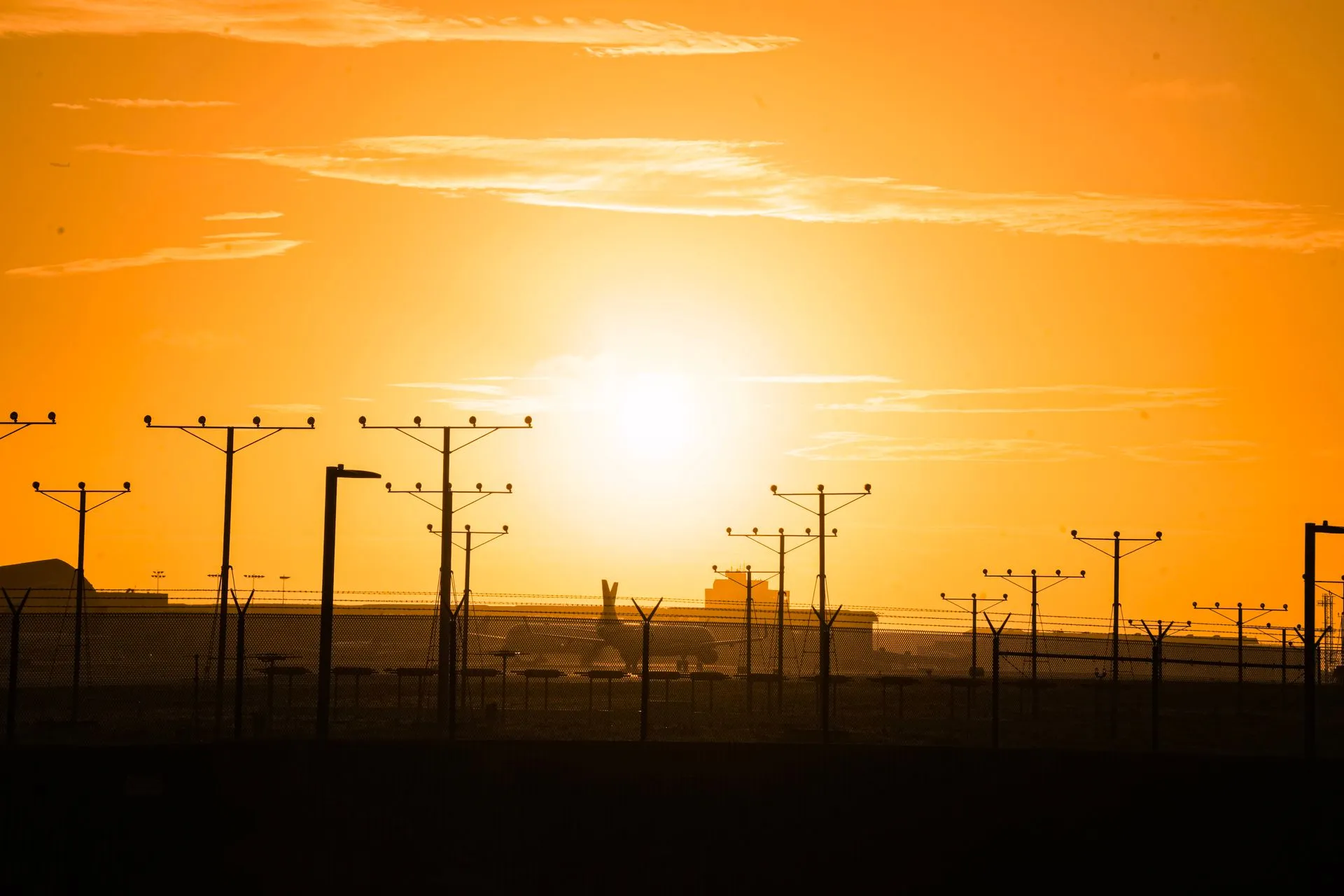
RIYADH — King Khalid International Airport (RUH) reopened on Sunday, October 18, following attacks that closed the airport, The National reported. Arriving and departing flights remain subject to prior permission, while several international airlines retain suspensions lasting weeks or months.
Airport notice A3650/26, reproduced by Notamify, requires prior permission for arrivals and departures, with requests submitted to Saudi Arabia's General Authority of Civil Aviation. The notice took effect at 18:45 UTC on October 17 and lists no expiry date.
That requirement qualifies the reopening: the airport's availability does not give every airline unrestricted access or establish that its scheduled flights have resumed. Airways previously covered the closure and authorities' checks of airport facilities.
Airline Suspensions Continue Into 2027
Published suspension windows differ by carrier and destination:
Several decisions predate Sunday's reopening. KLM published its October 31 extension on October 10, Philippine Airlines' advisory is dated October 12, and Lufthansa Group's page was updated October 14. Cathay's notice is dated September 28, so its January suspension should not be read as a response to the latest Riyadh attacks.
Etihad's statement, reported by Aletihad on October 19, also lists Jeddah (JED) flights EY601, EY602, EY603 and EY604 as canceled through October 24. Qatar News Agency reported that Qatar Airways reduced its Jeddah schedule from seven daily flights to four.
Airport Permission and Airspace Guidance Remain Separate
The European Union Aviation Safety Agency (EASA) still lists its Saudi airspace bulletin as active, with an October 9 revision and validity through November 16, unless reviewed earlier. It recommends avoiding two defined portions of the Jeddah flight information region at all altitudes and exercising caution elsewhere in that region.
The bulletin calls for current risk assessments and contingency planning. It applies to EASA operators and, within the scope of their European authorization, third-country operators. It does not describe a nationwide airspace closure.
The Federal Aviation Administration's Saudi airspace advisory, issued October 11 and valid until 05:00 UTC on December 10, advises covered U.S. operators to exercise caution because of military activity and satellite-navigation interference. It addresses risks at all altitudes, including arrivals and departures; it is a caution advisory rather than a flight prohibition.
Those notices concern the operating environment beyond airport facilities. They provide relevant context for airline assessments, but do not establish the reason for each carrier's suspension or a common threshold for restarting flights.
Airline plans also differ by Saudi destination. Malaysia Airlines (MH) announced a resumption of Jeddah and Madinah (MED) services effective October 18 following a safety review and operational risk assessment. The statement gives a restart date but does not identify completed flights. The airline advises passengers to verify their flight schedules through its website or app.
Featured image: King Khalid International Airport