Op-Ed: Airport Staff Facilities Deserve More Attention in Aviation's Passenger Experience Plans





Aviation invests heavily in the passenger experience, from premium lounges and digital check-in to smoother boarding. However, the working conditions of the people behind it often get less attention.
Passengers rarely see the ground handlers, security officers or the operational teams who keep the airport running, yet their journey is shaped by those teams long before they reach the boarding gate. The passenger experience depends on those people, not just the services passengers see.
Aviation’s Workforce Operates on a Different Clock
The aviation sector presents challenges for employee well-being and access to workplace facilities because of the wide range of shift patterns. Ground handlers and security staff are on site before the first departure, while maintenance technicians often work overnight when aircraft are on the ground. Workloads can be unpredictable, and breaks are often short or disrupted, especially for staff working away from the main passenger facilities.
Retail outlets tend to open around passenger peaks, which makes commercial sense, but staff working hours don’t follow the same pattern. The UK Health and Safety Executive’s guidance on managing shift work notes that “working at night may limit access to training, development and workplace facilities such as staff restaurants.”
There is a difference between having staff facilities available and ensuring they remain practical and accessible throughout the operating day. Facilities designed around conventional working hours, or peak passenger times may not adequately support a workforce operating around the clock.
Why Employee Experience Is an Operational Issue
Employee experience deserves the same operational planning as passenger experience, rather than being treated solely as a workplace benefit. Operational decisions shape most of it: where teams are based, how shifts are scheduled and when breaks can be taken.
Limited access to basic amenities can add friction to already demanding shifts. Staff may spend most of a short break traveling to and from refreshment areas. Airside staff may face screening on the way back, and some roles can’t leave their operational area at all. When many employees break at the same time, facilities can also become congested.
Night-shift employees often have fewer options than day-shift workers, as canteens and retail units tend to close early.
In an August 2026 Unite poll of security, catering, cleaning and ground handling staff at Heathrow, 82% reported problems with workplace facilities and 59% said there were not enough rest break facilities. One worker described “one microwave and one kettle for over 30 people.” The results are self-reported and not broken down by shift, and Heathrow has said it doesn’t “recognise the extent of the claims.”
Together, these friction points can affect the quality of employees’ breaks, their morale and how they feel about the job; Unite says workers are left “crowded together or unable to take proper breaks.” A support study for the UK Department for Transport’s review of ground handling found that staff “work in physically demanding operating environments at unsocial hours.” Better facilities may help retention, productivity, and service, but that is an expectation to test, not a proven outcome. Reducing friction won’t solve staffing challenges alone, but it helps create better conditions for people to do their jobs well.
What Aviation Can Learn from Other 24/7 Workplaces
Industrial workplaces, such as logistics hubs and manufacturing facilities, face many similar challenges due to round-the-clock shifts. The same DfT study found ground handling working conditions “more challenging compared to competing sectors such as logistics and retail.”
Demand for refreshments changes across shifts. In Connect Vending’s experience, night-shift workers are more likely to reach for a hot coffee or meal to keep them going through the night, while daytime demand leans toward cold drinks and water.
Break times also create concentrated demand, particularly around shift changeovers, when there may be limited access to alternative food or drink options.
The lesson is that access and convenience often matter as much as the range on offer and that real schedules are a better guide than a standard working day. An airport faces the same challenges across a far larger and more restricted site.
Employee Facilities Should Be Part of Operational Planning
Airports already plan around flight schedules and passenger flows; staff facilities can be planned the same way, but responsibility is shared. Airport operators usually control terminal space, shared facilities, and airside access. Employers, often ground handling, security, cleaning and catering contractors, set rosters and breaks. Airlines shape the terms through handling contracts and turnaround times. Progress usually needs all three involved.
Practical recommendations include:
- Understand working patterns: Assess facilities against actual shift schedules, including overnight coverage and peak break periods. Check what is open at 3 am and at shift changeovers.
- Consider the location: Examine whether facilities are accessible to staff working across maintenance areas and other locations away from passenger terminals. Provision near crew rooms and staff entrances often works better.
- Plan for different shifts: Ensure overnight and early-morning employees have reasonable access to essential amenities rather than relying on daytime arrangements.
- Use workforce feedback: Ask employees where existing facilities create difficulties and review whether changes address them.
- Include facilities in operational decisions: Consider employee requirements when planning buildings, expanding operations or changing workforce schedules, and agree which organization provides and maintains each facility.
There are real constraints. Overnight demand can be harder to predict, particularly when passenger activity is limited but operational teams remain on site. At Heathrow, for example, there are no scheduled departures between 22:40 and 06:00, yet staff facilities still need to account for those working through the night. Airside provision must work within security rules on supplies and access, and space, equipment and overnight running costs must be funded. Sometimes the answer is a new facility that needs real investment, but in other cases it is moving what’s already there or changing what’s offered and when.
Passenger Experience Starts with Employee Experience
The aviation industry rightly focuses on passengers, but its ability to deliver a consistent service depends on a large workforce operating behind the scenes. Supporting those employees means considering their working environment alongside staffing, technology, and other operational requirements.
The industry is already good at planning around complex, round-the-clock demand, and it should apply that discipline to its own workforce. Airport operators, airlines and their contractors should stop treating employee experience as separate from operational performance and recognize it as part of delivering a better passenger experience.
Elyas Coutts is CEO of Connect Vending, a UK-based provider of workplace food and drink solutions.
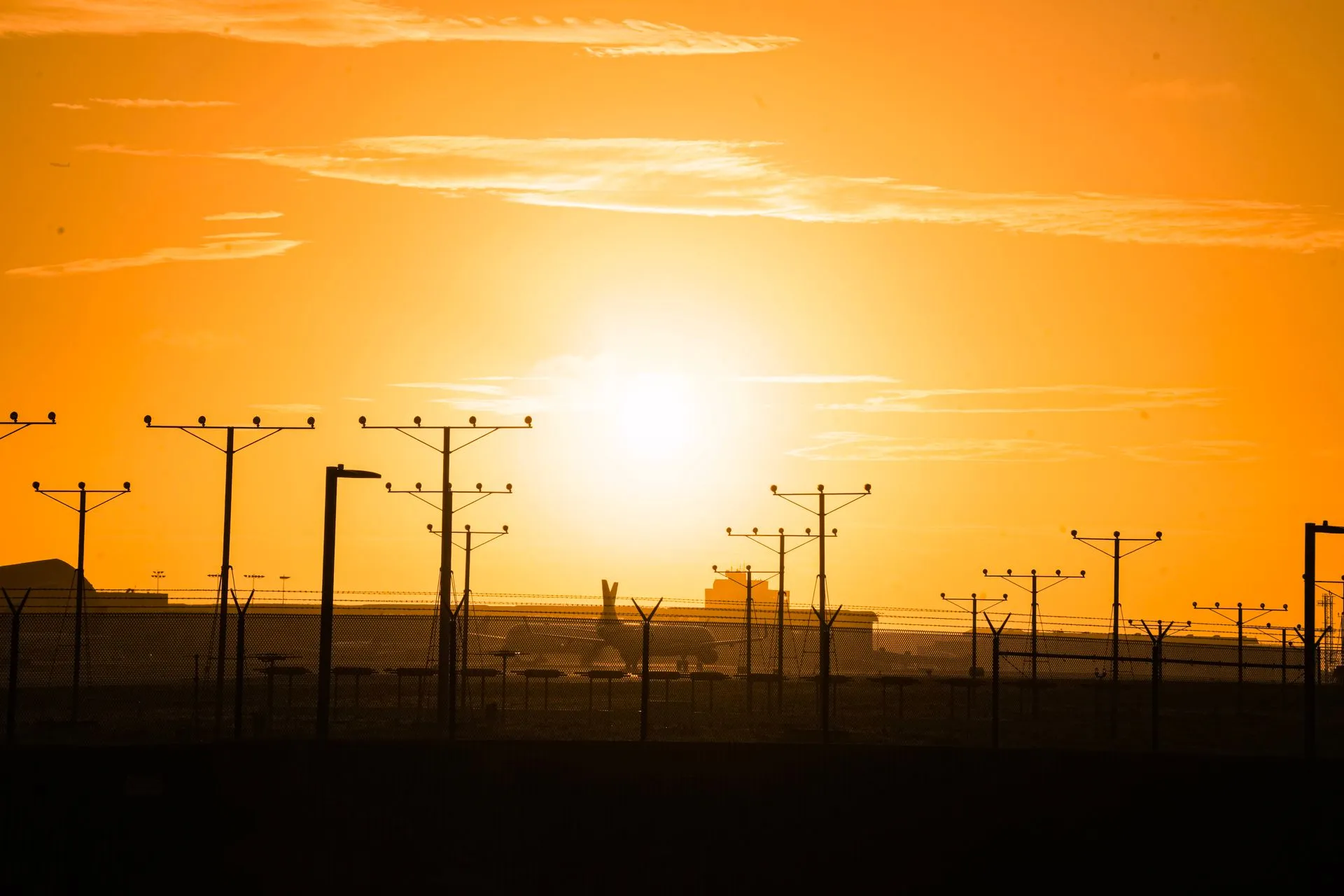
Featured image: Nihar Reddy Jangam/Unsplash