

.webp)


MUSCAT — Oman Air (WY) has announced the launch of nonstop flights between Muscat and Taif, marking its first new route of 2026 and further expanding its footprint in Saudi Arabia. The new service is scheduled to begin on January 31, 2026, and will operate three times weekly on Tuesdays, Thursdays, and Saturdays.
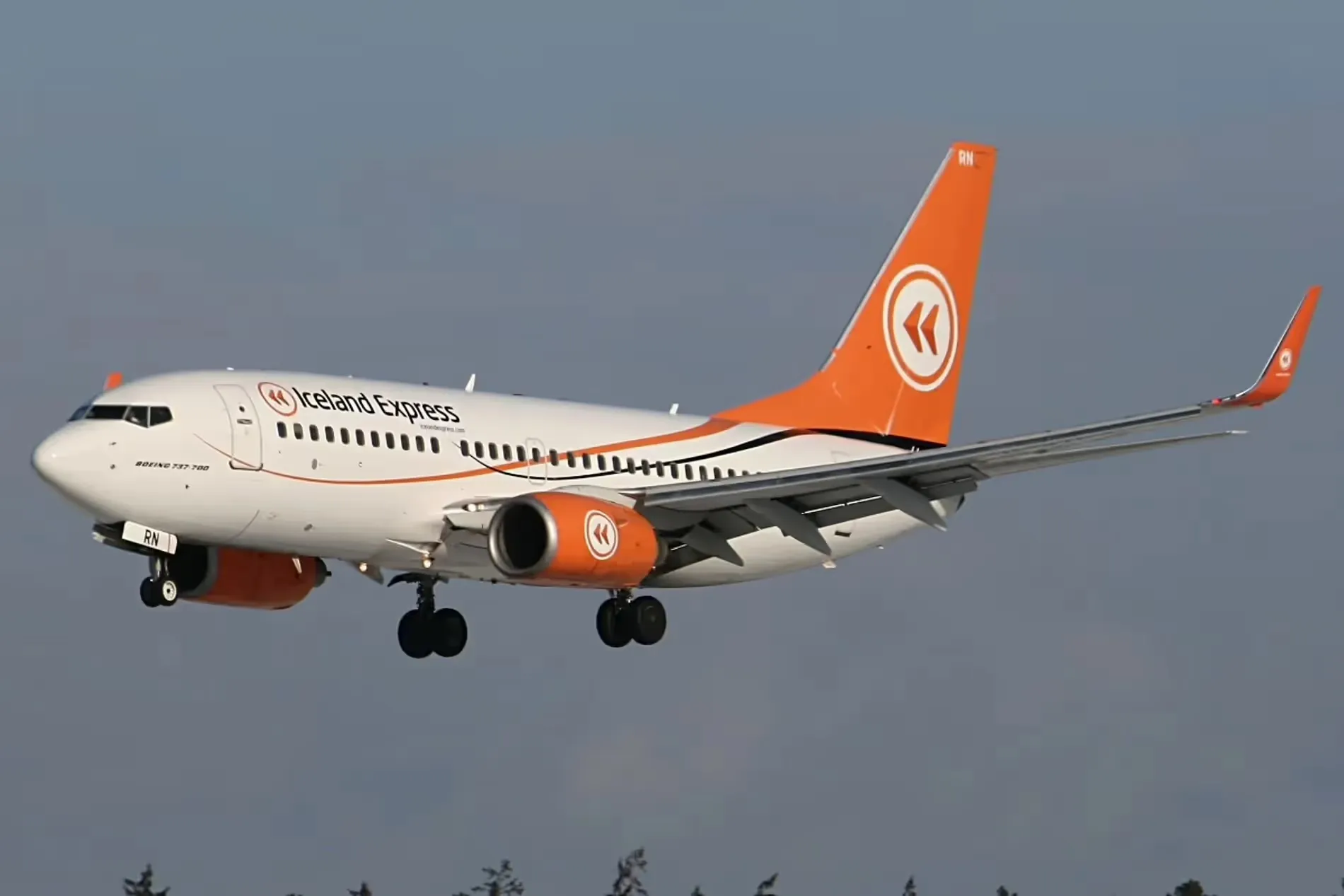
Taif becomes Oman Air’s fifth Saudi destination, joining Jeddah, Riyadh, Dammam, and Madinah, as the carrier continues to strengthen regional connectivity across the Gulf and the broader Middle East. Flights will be operated using Boeing 737 aircraft, offering passengers Oman Air’s award-winning onboard product and signature Omani hospitality.
Strategic Expansion
Oman Air described the Taif launch as a strategic move aligned with its broader regional growth plans. The new route improves point-to-point connectivity between Oman and western Saudi Arabia while tapping into growing demand for religious, leisure, and domestic tourism travel within the Kingdom.
“Expanding into Taif represents a strategic step in our regional network growth and reinforces the strong economic and cultural ties between Oman and Saudi Arabia,” said Con Korfiatis, Chief Executive Officer of Oman Air. “It likewise enables us to better serve our guests by providing them with more choice and convenience.”
Saudi tourism officials also welcomed the new route, noting its role in supporting cross-border travel. Abdulkarim Al-Darwish, President of the Middle East and Africa Markets at the Saudi Tourism Authority, said the service enhances access for Omani travelers while supporting Saudi Arabia’s broader tourism growth strategy.
Taif, located in the Sarawat Mountains near Mecca, is a popular summer destination known for its cooler climate, cultural sites, and proximity to major religious centers, making it a complementary addition to Oman Air’s existing Saudi network.
With the addition of Taif, Oman Air continues a measured expansion focused on intra-regional connectivity, leveraging narrowbody aircraft to serve high-demand markets efficiently. The airline said customers will benefit from convenient schedules and competitive fares available through its website and mobile app.
What This Means for the Industry
Saudi secondary cities are in play. Oman Air’s move into Taif underscores growing interest among airlines in secondary Saudi markets as Vision 2030-driven tourism demand expands beyond primary hubs.
Narrowbody regional flying is key. The use of Boeing 737 aircraft reflects a broader trend toward right-sizing capacity on short- to medium-haul routes in the Middle East, balancing frequency with cost efficiency.
Gulf carriers are doubling down regionally. While long-haul growth continues, airlines like Oman Air are sharpening regional networks to capture point-to-point demand and strengthen feeder traffic through Muscat.
Tourism policy is shaping route maps. Close coordination with Saudi tourism authorities highlights the increasing role of national tourism strategies in driving new air service across the region.
Featured image: Alberto Cucini/Airways




.webp)