LATAM Reports Record First-Quarter Margin as Demand Remains Strong


.webp)


SANTIAGO — LATAM Airlines Group (LA) reported a strong first quarter of 2026, with revenue rising 21.7% to US$4.151 billion, adjusted EBITDA up 36.7% to US$1.315 billion, and net income climbing 62.1% to $576 million. The airline said its adjusted operating margin reached 19.8%, the best quarterly result in its history.
Record margins reflect revenue quality
The key highlight of LATAM’s quarter was the quality of revenue growth. Passenger revenue increased 24.4% year over year to US$3.661 billion, with passenger RASK up 12.7% and premium revenue rising 28%, outpacing main-cabin growth. According to page 3, premium revenues grew 28% compared to 1Q25, 14% faster than main cabin revenues, demonstrating that LATAM’s yield improvement is driven by a stronger revenue mix rather than increased capacity alone.
Disciplined growth maintained
LATAM expanded while maintaining efficiency. Capacity increased by 10.4%, nearly 23 million passengers were carried, and load factor improved to 85.3%. As shown on page 5, consolidated ASK rose from 41.3 billion to 45.5 billion, passengers increased from 21.0 million to 22.9 million, and load factor rose by 2.0 points. This combination of higher capacity, increased traffic, and fuller aircraft is a positive indicator for airlines.
The regional breakdown highlights broad-based growth. Page 5 shows Domestic Brazil PRASK increased from 7.3 to 8.6 U.S. cents, Domestic SSC rose from 7.9 to 9.8 cents, and International improved from 6.8 to 7.2 cents. This indicates that performance was not reliant on a single market, despite strong domestic and premium trends.
Premium strategy drives results
LATAM continues to focus on premium and loyalty segments. As noted on page 6, premium revenue now accounts for 27% of passenger revenues. Premium unique travelers have increased more than threefold since 2019, LATAM PASS membership has reached 55 million, and approximately 60% of passenger revenues are generated by LATAM PASS members.
This shift demonstrates that LATAM is moving beyond recovery. The group aims to show that a more premium and loyalty-driven model can deliver stronger margins, even in a volatile macroeconomic environment.
Balance sheet remains strong
LATAM’s balance sheet remains a key strength. The company ended the quarter with US$4.1 billion in liquidity, adjusted net leverage of 1.3x, and generated US$391 million in cash during the period. According to the cash-flow chart on page 7, initial cash was US$2.150 billion, adjusted operating cash flow was US$858 million, and ending cash was US$2.541 billion after capital expenditures, financial expenses, and an interim dividend payment.
Page 8 further highlights LATAM’s BB/Ba2 ratings with a positive outlook, a weighted average cost of debt of 6.6%, and over US$1.5 billion in unencumbered assets.
Guidance remains cautious
LATAM updated its 2026 guidance, including specific assumptions on fuel and currency. As detailed on page 9, the group projects adjusted EBITDA of $3.8 billion to US$4.2 billion, adjusted passenger CASK ex-fuel of 4.50 to 4.70 U.S. cents, adjusted net leverage of 1.8x or less, and liquidity of at least US$4.5 billion.
These targets are based on jet fuel prices of $170 in the second and third quarters of 2026, declining to $150 in the fourth quarter, and an exchange rate of BRL 5.15 per U.S. dollar.
Key takeaway
LATAM entered 2026 with significant momentum. The company achieved double-digit capacity growth, improved load factor, increased yields, and expanded premium revenue faster than main-cabin revenue, resulting in its best-ever quarterly adjusted operating margin.
While many airlines remain cautious about fuel and macroeconomic volatility, LATAM demonstrates that its network, premium positioning, and strong balance sheet can support high-quality earnings in a challenging environment.
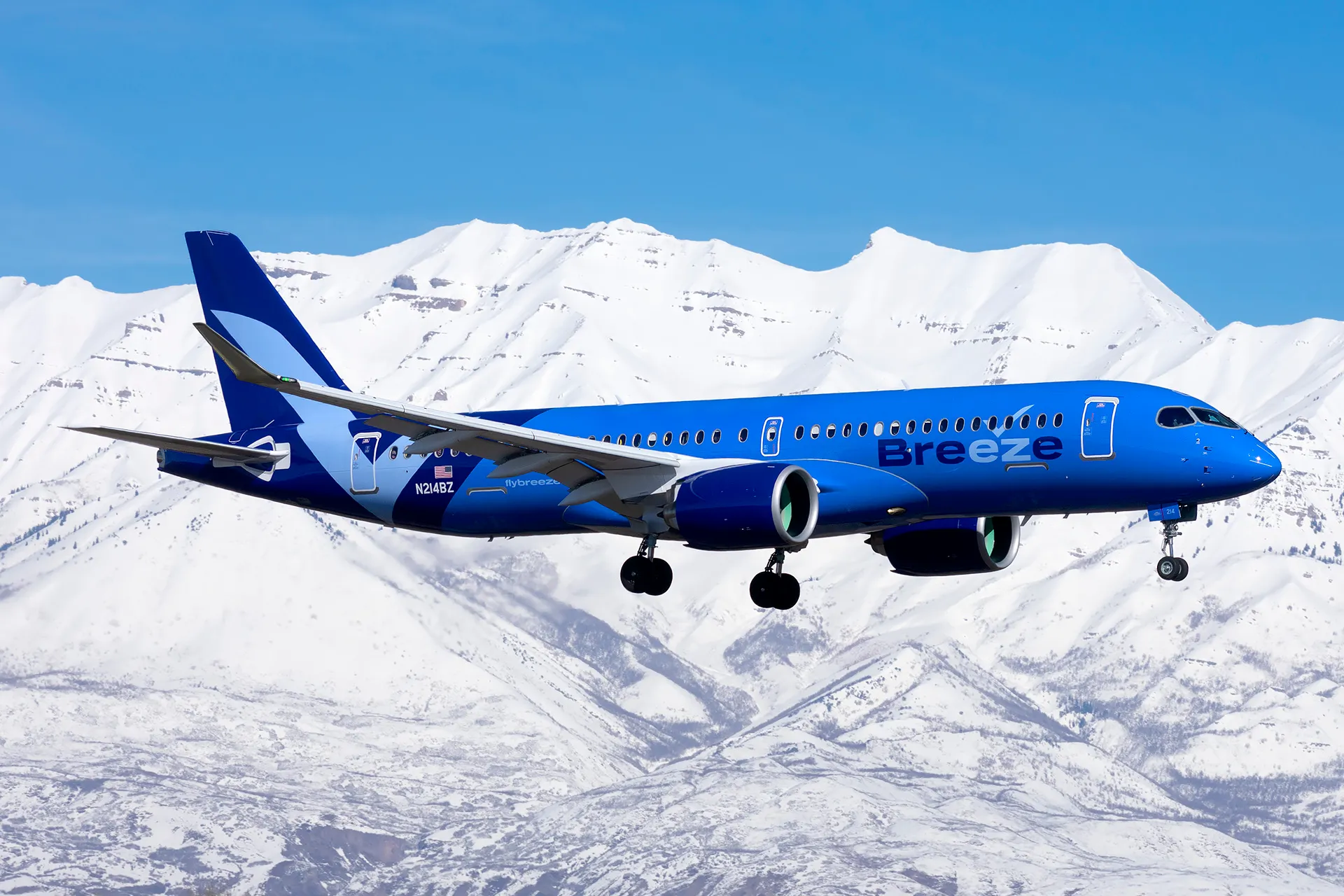
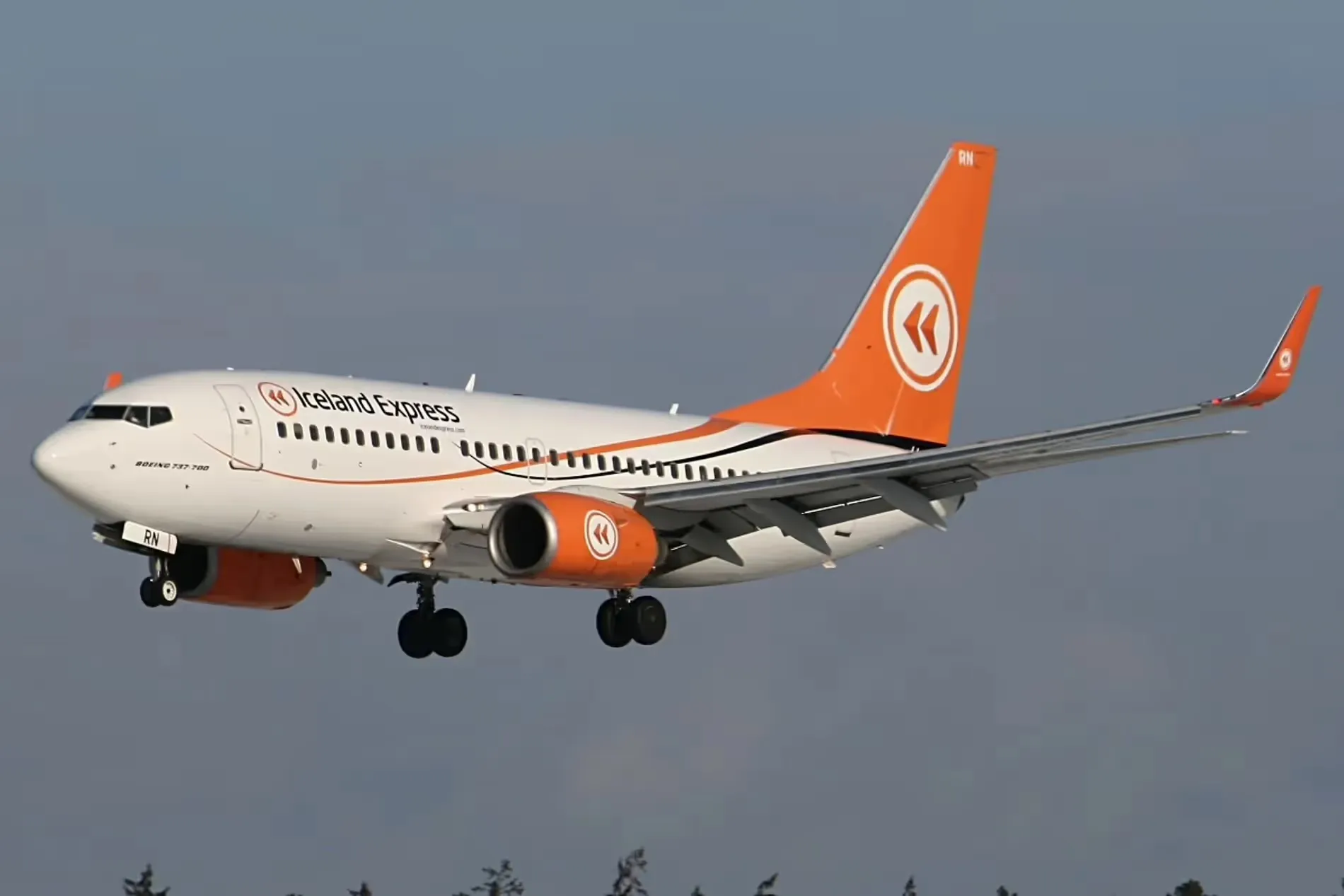
Featured image: Brandon Farris/Airways




.webp)