

.webp)
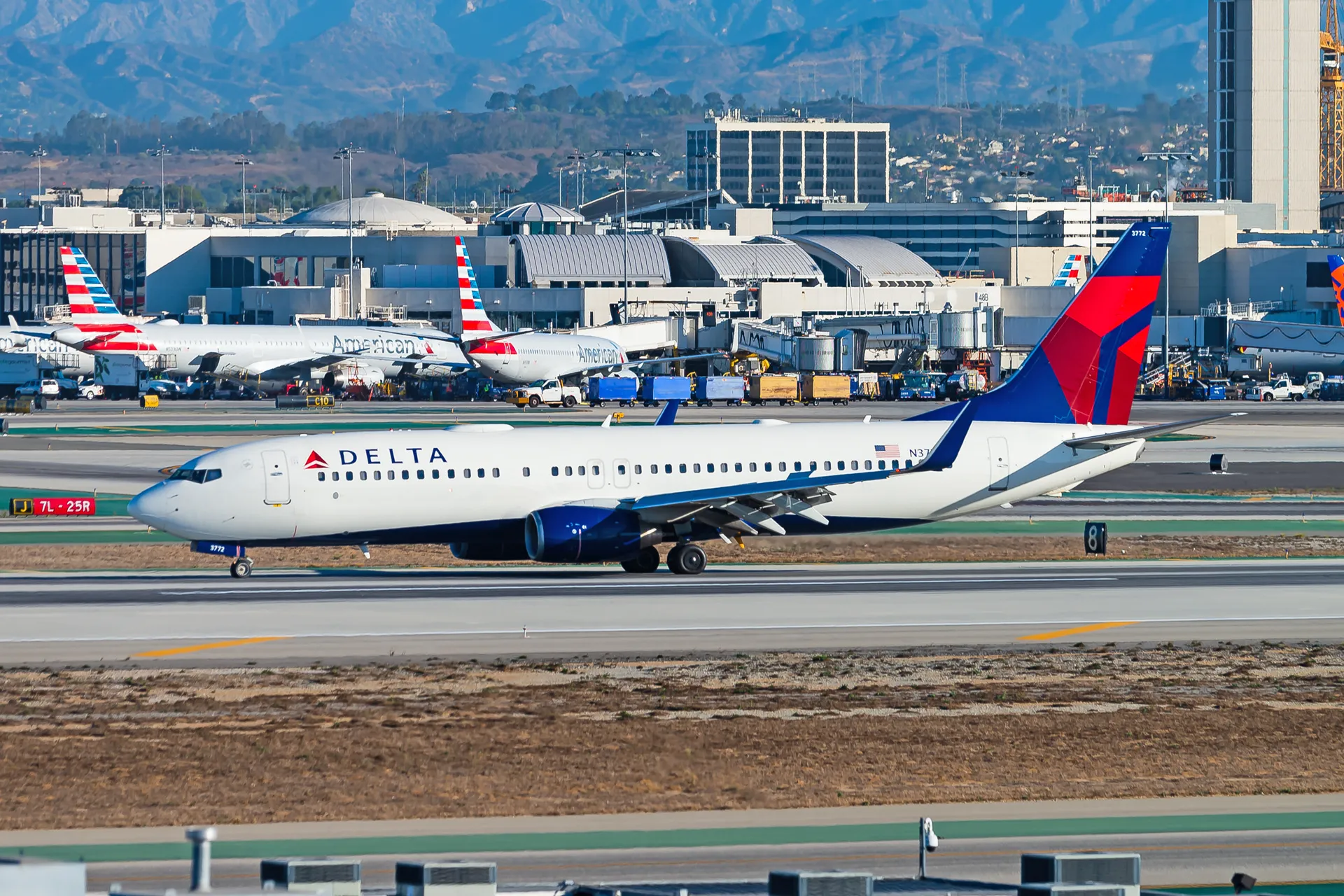




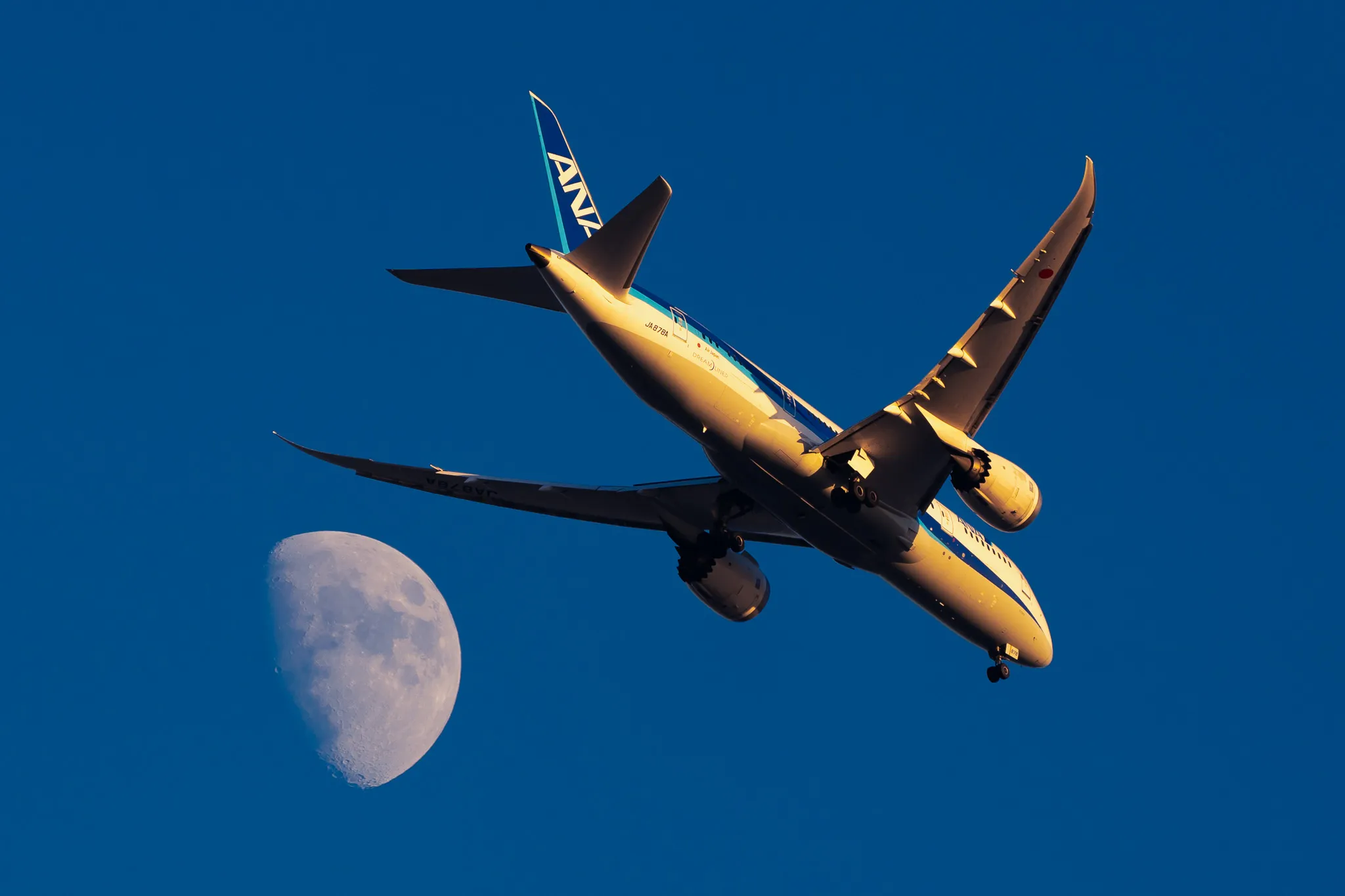
DALLAS — Japan Airlines (JAL, JL) and All Nippon Airways (ANA, NH) plan to coordinate departure times on the Tokyo Haneda–Okayama route from late October, Jiji Press reported on August 17, citing people familiar with the matter.
The news agency described the move as the first timetable coordination between the two carriers on a domestic route. It said they want to prevent flights from departing at the same or nearly the same time as they respond to higher fuel and maintenance costs and a decline in business travel.
Neither airline had published the revised times in a source reviewed by Airways. The reporting describes a timetable adjustment, not a codeshare, joint venture, fare agreement, or confirmed reduction in service.
Where the Current Timetable Overlaps
Japan Airlines and ANA each schedule five daily flights in both directions between Tokyo Haneda Airport (HND) and Okayama Momotaro Airport (OKJ), giving the route 10 departures from each airport per day during the current schedule period.
The July–August timetable published by Okayama Momotaro Airport shows two especially tight pairs from Okayama. ANA 652 and JAL 232 both depart at 7:05 a.m. ANA 658 leaves at 5:20 p.m., followed five minutes later by JAL 240.
From Haneda, ANA 653 is scheduled at 10:15 a.m. and JAL 233 at 10:20 a.m. The final JAL and ANA flights leave 20 minutes apart, at 7:40 p.m. and 8 p.m.
Those clusters illustrate the passenger issue behind the policy change. Ten departures offer less time-of-day choice when two flights occupy effectively the same window. Moving one flight could add a usable option without adding a frequency, although the benefit cannot be assessed until the new times are available.
What the Competition Framework Allows
Japan's Ministry of Land, Infrastructure, Transport and Tourism (MLIT) published a domestic aviation policy report on May 29 that kept airline competition as the general rule but supported limited coordination where overlapping schedules reduce practical choice.
The report said timetable discussions had been difficult because competing airlines had to consider Japan's Antimonopoly Act. It concluded that coordination could proceed when defined conditions are met and said carriers should consult the Japan Fair Trade Commission (JFTC) if they need a decision on a specific arrangement.
A JFTC presentation used during the policy review sets out four conditions for a timetable-only agreement to be generally unproblematic: it must not restrict fares or flight counts, must not unreasonably harm customers by limiting competition, must not unfairly discriminate against an operator, and cannot compel an airline to comply.
The same presentation says the final legal assessment remains case-specific. Agreements that limit fares, frequencies, or routes are generally problematic, and coordinating a frequency cut is treated differently from moving departure times. That distinction means the Haneda–Okayama report does not establish that either carrier will reduce capacity.
MLIT's broader review explains why the issue has surfaced now. It found that domestic passenger numbers had recovered to pre-pandemic levels, but higher-yield business demand had declined while fuel, maintenance, labor, and other costs increased. The report tied selective cooperation to passenger convenience while retaining competition as the rule.
Winter Schedules Will Show the Effect
The airlines' winter timetables will provide the first measurable result. JAL's official timetable page says schedules for October 25 through November 30 will be available in late August, while Jiji reported only that the coordination would begin in late October.
The published schedules should identify which flights move and whether each airline retains its current five daily flights in each direction. Until then, there is no verified basis to assign an exact start date, quantify the passenger benefit, or describe the plan as a capacity change.
Featured image: Nuno Seletti/Airways



.webp)