Report: Iraqi Ground Handlers Stop Servicing Iranian Aircraft in Baghdad


.webp)



BAGHDAD — Private ground-handling companies stopped servicing Iranian aircraft at Baghdad International Airport (BGW) because they feared U.S. sanctions, an Iraqi official told state media on Wednesday. The official said Iraq's Transport Ministry and Civil Aviation Authority had not ordered the stoppage, according to a separate report of the state-media account.
That account conflicts with a Reuters report published Tuesday. Two unnamed sources told the news agency that Iraq had ordered its civil aviation authority to suspend Iranian flights to Baghdad beginning September 23. Iraq's Transport Ministry spokesperson Hussein Ahmed separately said Tuesday that flights were operating normally and that no official suspension directive had reached the country's airports.
Iranian aviation authorities said discussions were underway to redirect Baghdad-bound flights to Najaf. The available reports did not identify a confirmed rerouting plan.
Flights between Iran and Najaf were still operating as scheduled on Wednesday. Najaf International Airport spokesperson Muthanna Al-Talqani told Shafaq News that the airport had received no suspension order from the Iraqi government, Najaf authorities or Iraq's Civil Aviation Authority.
Iranian Authority Says Muscat Will Also Stop Accepting Flights
Iran's Civil Aviation Organization said Muscat International Airport (MCT) would stop accepting Iranian flights, Al Jazeera reported. The Iranian authority said talks with Oman were continuing. Omani authorities had not immediately commented.
Other Iranian international services, including flights to Istanbul, were scheduled to continue, according to the same report.
Sanctions Target Aviation Support
The U.S. Treasury sanctioned 27 Iranian airlines on September 8 under an aviation-sector determination issued in August. Treasury warned that foreign firms and individuals supporting sanctioned Iranian airlines could face consequences, while certain transactions could expose foreign financial institutions to secondary sanctions.
U.S. Treasury Secretary Scott Bessent later said service providers could be cut off from the dollar system if they supplied Iranian carriers with fuel, landing services or ticket sales, according to Reuters and Al Jazeera. Such sanctions exposure can disrupt a carrier's overseas operations when local companies decline to provide essential services.
Iran's Civil Aviation Organization did not provide an end date for either restriction, according to Al Jazeera.
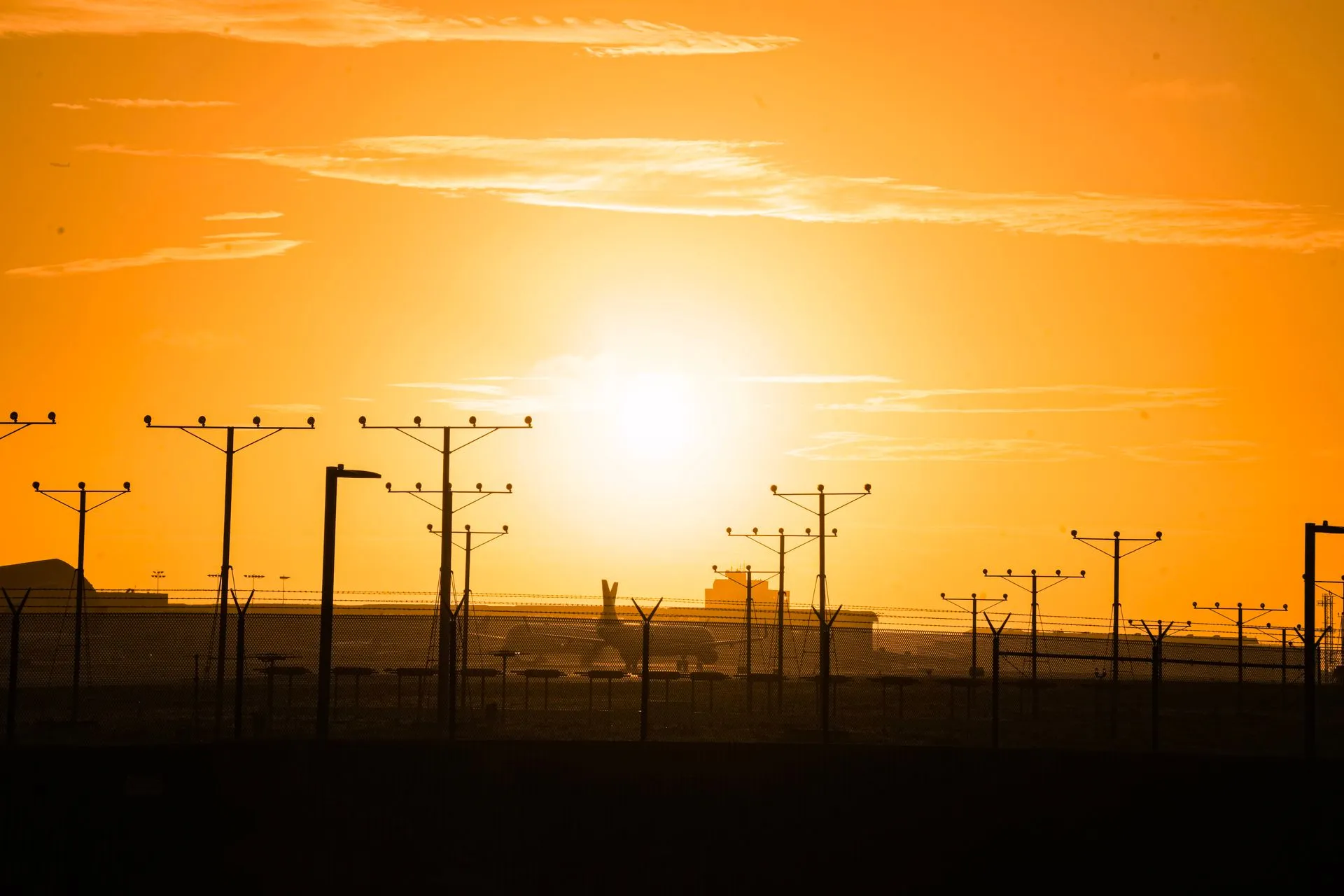
Featred image: Thomas Hartwell/Public domain, via Wikimedia Commons



.webp)