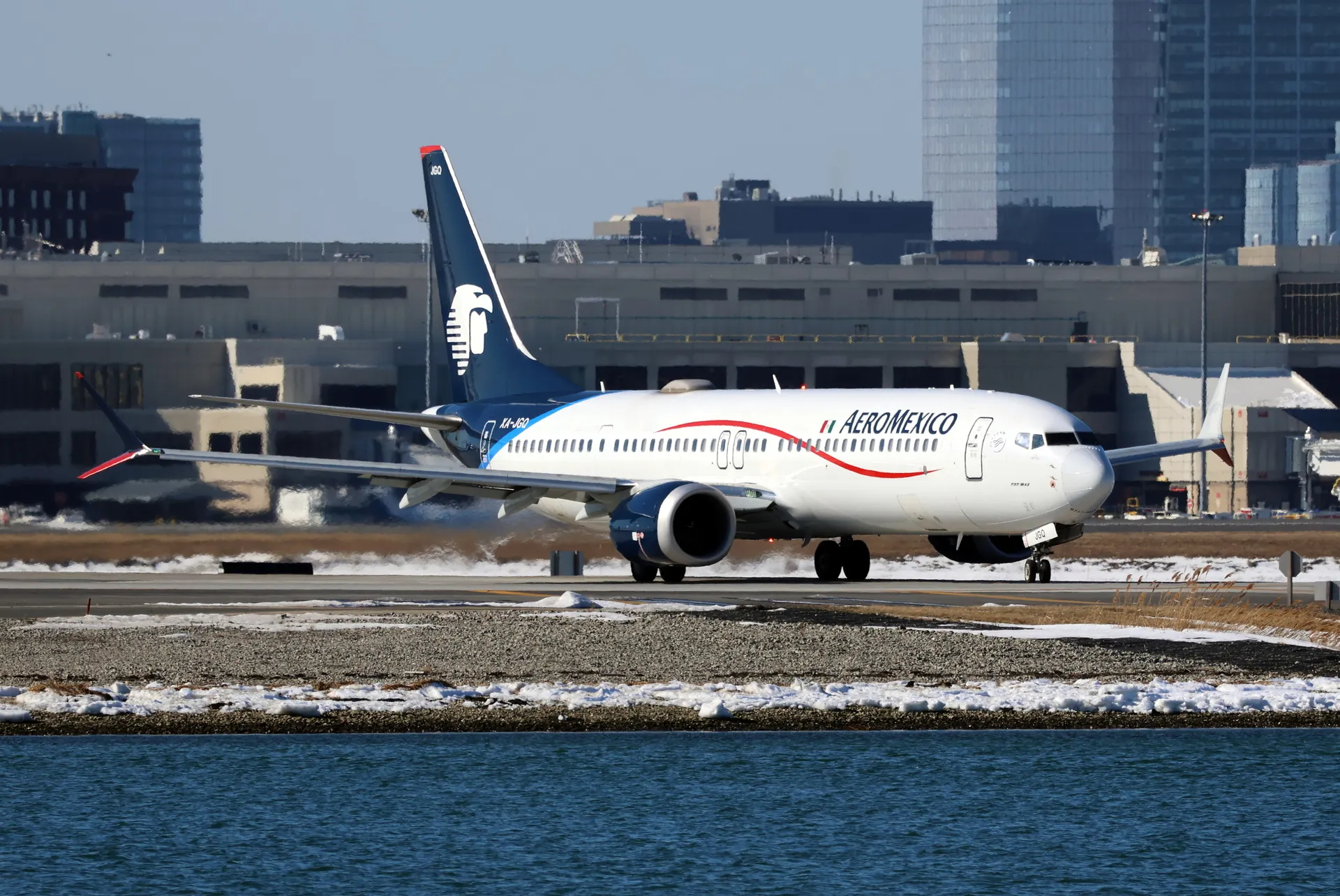

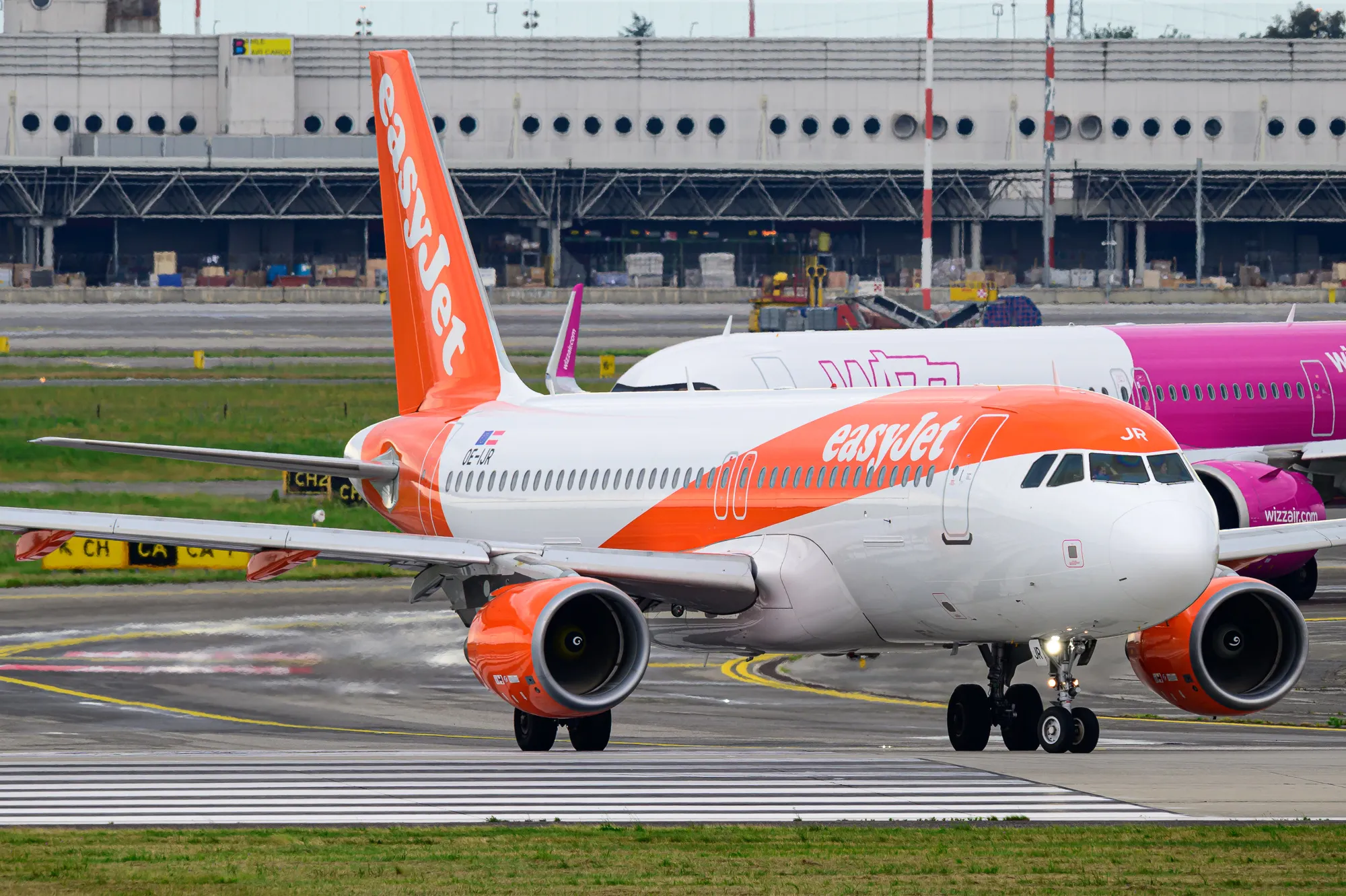


By October 3, 2004, Iraqi Airways (IA) was again carrying passengers between Baghdad International Airport (BGW) and Amman's Queen Alia International Airport (AMM). The commercial return had begun two weeks earlier: Agence France-Presse reported that the airline's first international commercial flight in 14 years took place on September 18, linking Amman, Baghdad and Damascus. The first leg from Amman carried no passengers because tickets had gone on sale too late, the airline told AFP.
The date matters. This October 3 History post previously described the Baghdad–Amman flight as the start of service on that day. Contemporaneous reporting published October 3 instead described an airline already flying the route, including a September 18 first flight. October 3 marks a view of its early return, not the inaugural flight.

A Return With One Aircraft
The UN Joint Logistics Centre's September 2004 bulletin had expected Iraqi Airways to resume Baghdad services to Amman and Damascus using a Boeing 737. The airline's return added an Iraqi carrier to a route that Royal Jordanian was already serving, according to the bulletin.
The October 3 Washington Post report described Iraqi Airways' operating aircraft and two qualified pilots as supplied by Jordan-based Teebah Airlines. The arrangement let Iraqi Airways restart international flying while it rebuilt its own capacity. AFP reported that the carrier had been effectively grounded internationally after Iraq's 1990 invasion of Kuwait and subsequent UN sanctions, although limited domestic and other flights had occurred during the intervening years.

An Older Airline Rebuilds
Iraqi Airways dates its founding to 1945. Its historical account says the airline first used de Havilland Dragon Rapides, later adding Vickers Viscounts and then jet aircraft. The Viscount pictured above belongs to that earlier era; neither in-body image shows the Boeing 737 used for the 2004 return.
Featured image: Lorenzo Giacobbo/Airways