






DALLAS — Bird strikes pose a significant operational challenge in aviation, causing engine damage, delays, and high costs. Over 90% occur at low altitudes during takeoff, landing, or initial climb, making airports critical areas for wildlife risk management.
As air traffic increases and birds adapt to urban environments, airports must consider environmental factors, species behaviors, and operational needs. Lessons from incidents like Jeju Air 2216 and control efforts such as the 2025 Lahore Airport campaign demonstrate how mitigation strategies have advanced. Presently, airport safety depends on data-driven, layered systems.
Understanding Wildlife Behaviour around Airports
Wildlife risk varies by species, season, habitat, and local geography. Raptors, waterfowl, gulls, and flocking birds pose the highest risk, while small passerines become hazardous when flock density increases. Among the key elements of the wildlife hazard assessment an airport will develop before designing mitigation plans, besides species identification and migratory pathways, are attractants on and beyond the airfield and daily/seasonal activity mapping.
Airfield Habitat Management
Reducing attractants within the airport perimeter is key to long-term wildlife control. It includes maintaining grass at controlled heights, eliminating standing water, pruning vegetation, promptly clearing carcasses, and limiting food sources through rodent control. The above measures help stabilize wildlife activity gradually and reduce reliance on active deterrence tools, especially during migration seasons.
Managing Off-Airport Risks (Within 13 km)
Since many attractants sit outside the fence line, such as landfills, meat markets, fisheries, rooftop pigeon traps, and water bodies, airports must coordinate with municipal and environmental authorities. ICAO's 13-km advisory radius remains the global benchmark against which external hazards are reviewed.
One recent example occurred in Lahore, Pakistan, in 2025, when authorities declared an 8-km No-Bird Zone around the airport. Wildlife teams dismantled nests from high structures, waste management crews cracked down on illegal meat vendors, and environmental agencies removed rooftop pigeon cages. This operation illustrated that government-led enforcement is needed in densely populated urban regions to address attractants that extend well beyond the airport's boundaries.
Active Deterrence Systems
When habitat management is inadequate, airports utilize focused, real-time deterrence methods. These methods include pyrotechnics, distress-call systems, propane cannons, canine patrols, lasers, falconry, and remote-controlled aerial “bird robots.” Employing multiple tools avoids habituation to any single tool, since birds may learn to adapt to repeated stimuli. How well these methods work will depend upon variation, operator training, and environmental factors such as wind and visibility.
Radar-Based Bird Detection and Real-Time Alerting
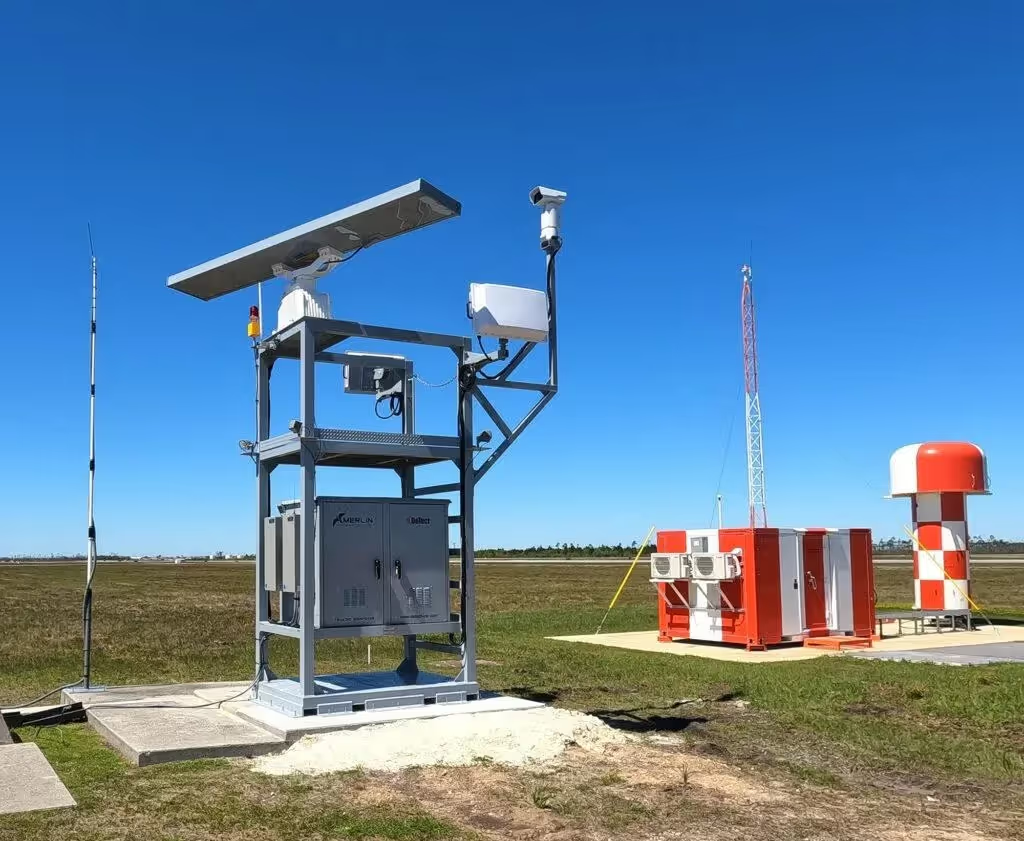
Modern avian radar systems have changed the way major airports detect and respond to wildlife hazards. S-band radars can track birds day or night, in all weather conditions, by classifying targets based on size, flock density, altitude, and behavior. Automated risk scoring enables ATC to delay departures or adjust runway use during high-risk periods, especially during mass movements of migratory species.
Systems like the MERLIN Bird Radar, installed at various civil and military airports, show that the risk can be reduced by over 90% after implementation. The radar data enables long-term trend analysis, thereby supporting decisions on deterrence timing, resource allocation, and seasonal planning.
Data, Reporting, and SMS Integration
Effective hazard management requires precise data capture. Airports record species involved in each strike, environmental conditions, event location, operational impact, and mitigation actions taken. This information feeds into ongoing risk assessments and helps airports maintain compliance with ICAO reporting requirements. When integrated into an SMS, wildlife data enables airports to proactively adjust their strategies rather than reactively when specific migratory periods or seasonal population surges occur.
Key Wildlife Management Categories Clarified
Wildlife hazard tools are organized into five operational groups:
- Management in Lahore employs grass control, water removal, vegetation management, and carcass removal to reduce attractants. It can take time to reach its full potential and generally requires coordination with external land-use authorities.
- Active Deterrence provides quick dispersal using pyrotechnics, lasers, dog teams, falconry, acoustic devices, and specialized drones. Although effective, birds may become habituated, necessitating method rotation.
- Radar and monitoring systems provide real-time tracking and predictive analysis that allow ATC and wildlife teams to make necessary adjustments during high-risk periods, but they require specialized training and investment.
- Off-Airport Controls include landfill netting, enforcing laws against waste dumping, and regulation of vendors, with substantial input from municipal and environmental authorities.
- Accountability and standardization are maintained through administrative measures like WHMPs, SMS documentation, audits, and inter-agency cooperation. Their success relies on regular oversight and cross-departmental collaboration.
Two Major Bird Strike Incidents That Changed Policies
1. Jeju Air Flight 2216 (2024)
A fatal crash with dual engine failure occurred when a 737-800 ingested migratory Baikal teals during landing in South Korea. This incident prompted the expansion of habitat-control zones near wetlands and underscored the severe threat posed by large migratory flocks.
2. US Airways Flight 1549 “Hudson Miracle” (2009)
After striking a Canada goose departing LaGuardia, the Airbus A320 ditched in the Hudson River. This event spurred increased federal funding for avian radar systems and improved wildlife management strategies across U.S. airports.
Multi-Agency Wildlife Control, Lahore 2025
The No-Bird Zone initiative in Lahore demonstrated the extent of the intervention that is sometimes necessary. Coordinated actions included removing nests from mobile towers, eliminating roadside waste that attracted scavengers, enforcing against unlicensed meat vendors, and dismantling rooftop pigeon traps. The scoping study illustrates well how management extends far beyond aviation specialists to include municipal authorities, emergency services, and environmental regulators.
Future Trends in Airport Wildlife Control
Emerging technologies are pointing to a more automated future: AI-powered radar analytics, predictive migration modeling, automated drone dispersal, geofenced deterrence networks, and thermal imaging for nighttime detection shape the next generation of airport wildlife systems. Besides, sustainability standards influence how airports modify habitats, ensuring biodiversity considerations align with operational safety goals.
Conclusion
Mitigation of wildlife hazards requires a layered approach using environmental management, data-driven detection, regulatory coordination, and continuous evaluation. Airports that invest in habitat modification, modern radar systems, and SMS-based decision-making are more likely to achieve the most significant reductions in risk.
Though complete elimination is impossible, integrated management programs have demonstrated the capacity to reduce hazards by up to 90%. As the aviation sector continues to grow and wildlife adapts to expanding urban environments, robust airport wildlife management will maintain operational safety and resilience.
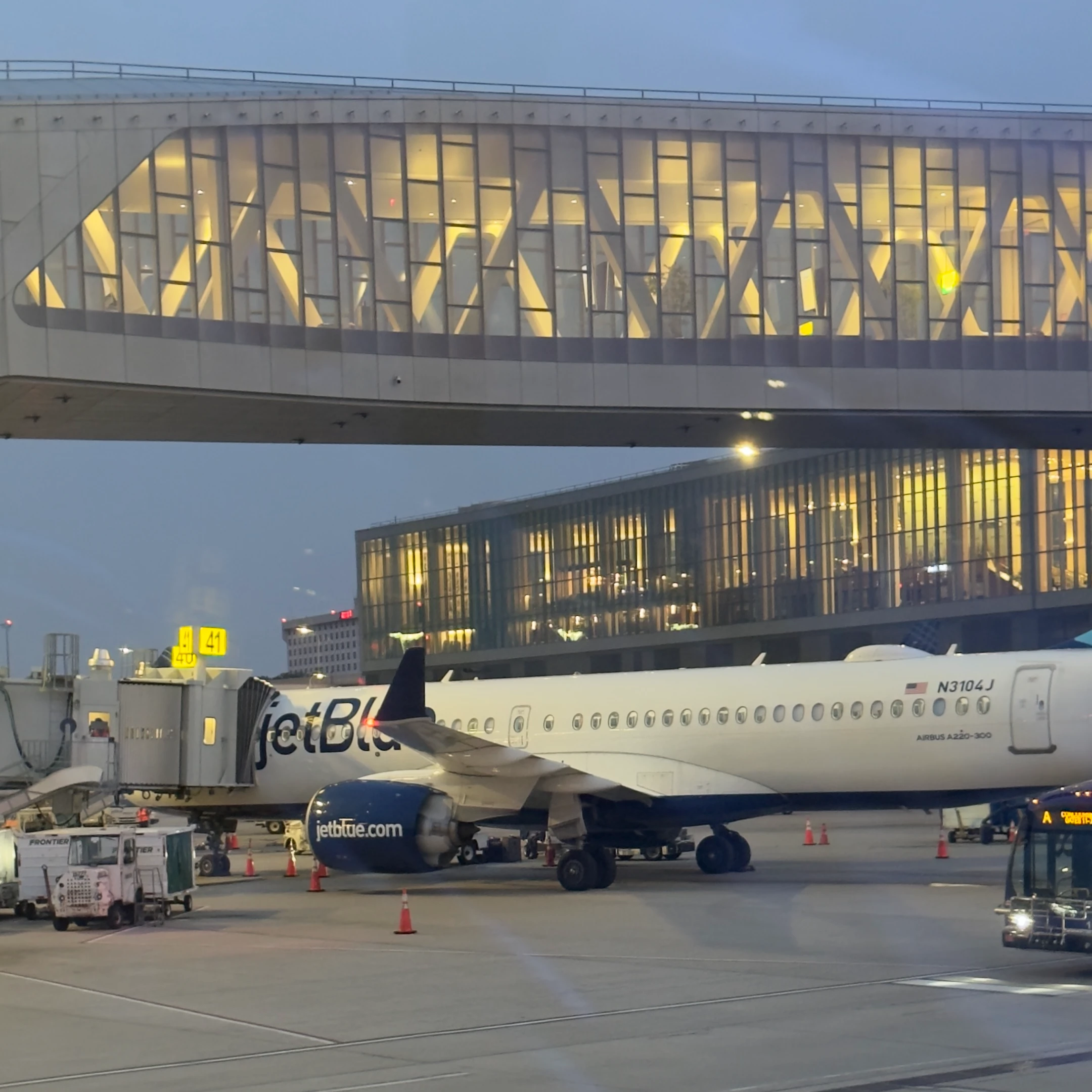
Featured image: Brandon Farris/Airways





.avif)