Frontier’s Q1 2026 Revenue Jumps, but Fuel and Charges Deepen Loss


.webp)

DENVER — Frontier Group Holdings, parent of Frontier Airlines (F9), reported first-quarter 2026 GAAP operating revenue of US$992 million and adjusted revenue of US$1.065 billion, which the company described as an all-time record.
Frontier still posted a GAAP net loss of US$272 million, or US$1.18 per diluted share, while the adjusted net loss was US$68 million, or US$0.30 per share, better than its prior guidance range.
Revenue performance highlights
The primary positive this quarter was the quality of revenue. Adjusted revenue increased by 17% despite approximately 1% lower capacity compared to the first quarter of 2025. Adjusted RASM rose to 10.86 cents from 9.17 cents, and stage-length adjusted RASM increased to 10.29 cents from 8.81 cents, indicating the improvement was not solely due to network length changes.
Drivers of the GAAP net loss
The gap between stronger revenue and a significant net loss is due to increased costs and adjustments. GAAP operating expenses rose to US$1.275 billion from US$958 million a year ago, and GAAP CASM increased to 13.00 cents from 9.63 cents. A $139 million Early Return Agreement adjustment significantly raised non-adjusted cost metrics. Adjusted CASM excluding fuel was 8.85 cents, compared to 7.24 cents last year.
Fuel costs remain a challenge
Fuel remained a significant cost pressure. First-quarter fuel expenses totaled US$268 million, or 2.73 cents per ASM, compared to US$238 million and 2.39 cents per ASM a year earlier. The company maintains that fuel efficiency is a structural advantage, reporting 106 ASMs per gallon for the quarter. However, despite this efficiency, Frontier projects second-quarter fuel costs at US$4.25 per gallon.
Second-quarter outlook remains challenging
This is significant as the second-quarter outlook remains weak. Frontier projects an adjusted diluted loss per share of US$0.45 to $0.60 for Q2, despite anticipated capacity growth of 6% to 8% and RASM growth exceeding 20%. Total liquidity was $974 million at the end of Q1 and is expected to range from US$900 million to US$950 million at the end of Q2, supported by internal liquidity initiatives, fleet-related actions, and ongoing discussions regarding its co-brand credit card agreement.
Fleet restructuring efforts
Frontier continues to restructure its fleet. The company received five A320neos and two A321neos in the first quarter, expects delivery of seven additional A320-family aircraft in the second quarter, and plans to return 24 leased A320neos under the Early Return Agreement. These actions reflect a broader reset in fleet management and capital allocation.
Key takeaways
Frontier’s commercial performance is improving more rapidly than the headline net loss indicates. Revenue and unit revenue were strong, and the adjusted loss exceeded expectations.
However, the airline continues to face high fuel costs and significant fleet-related charges, prompting a focus on adjusted results while still projecting another quarterly loss. Operationally, Frontier is performing better than GAAP results suggest, but ongoing sector-wide cost pressures remain a challenge.
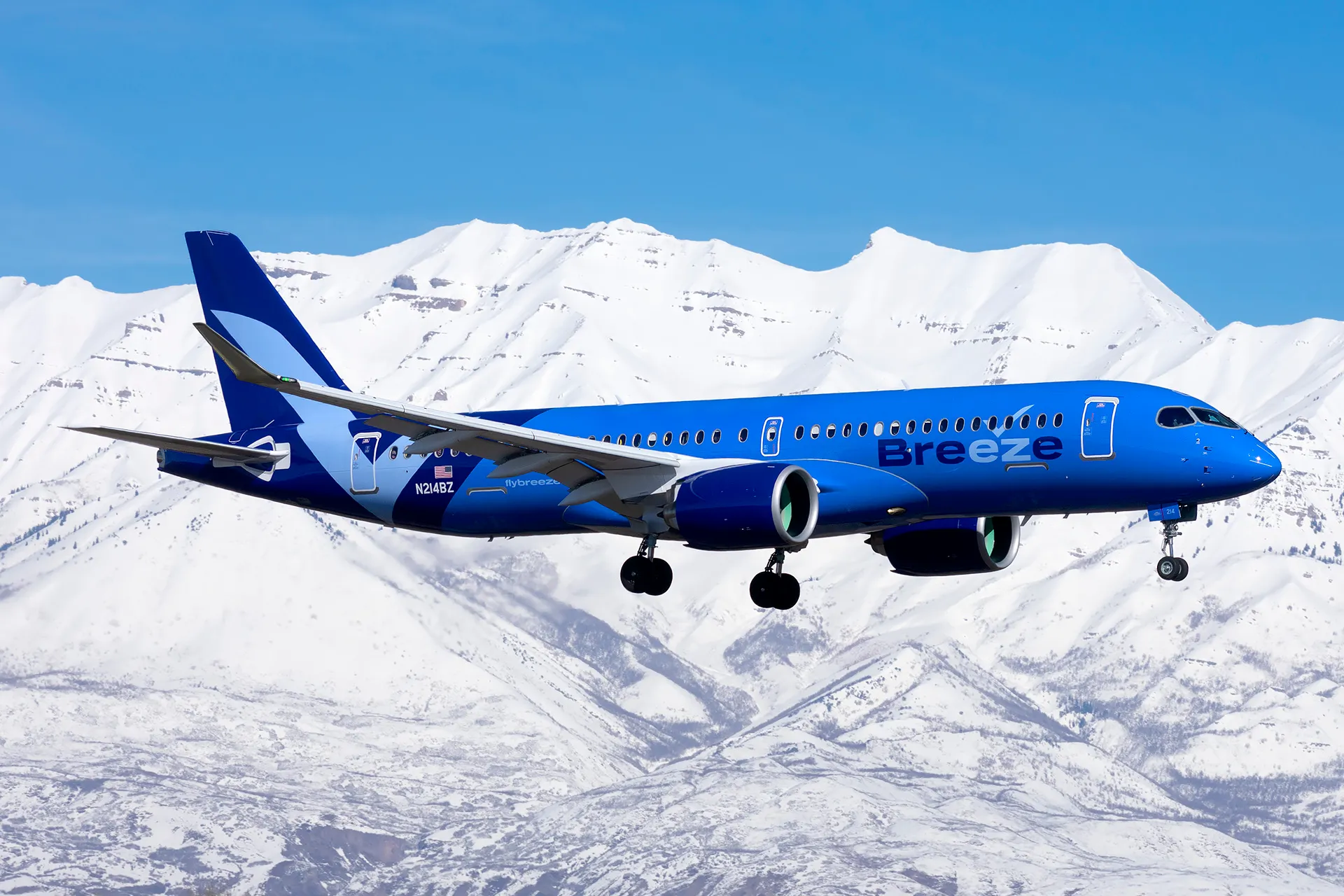
Featured image: Michael Rodeback/airways



.webp)