

.webp)
.webp)
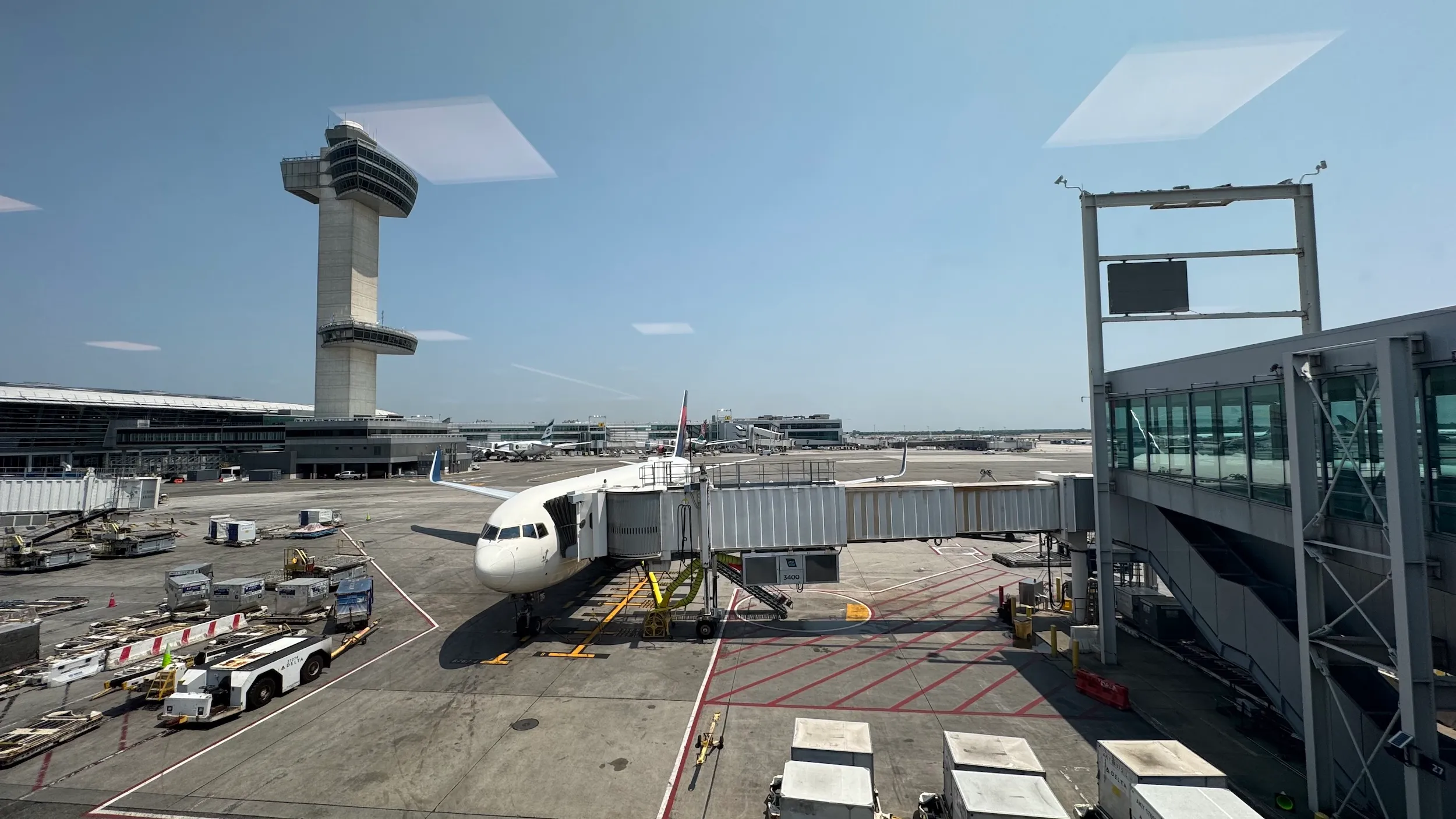
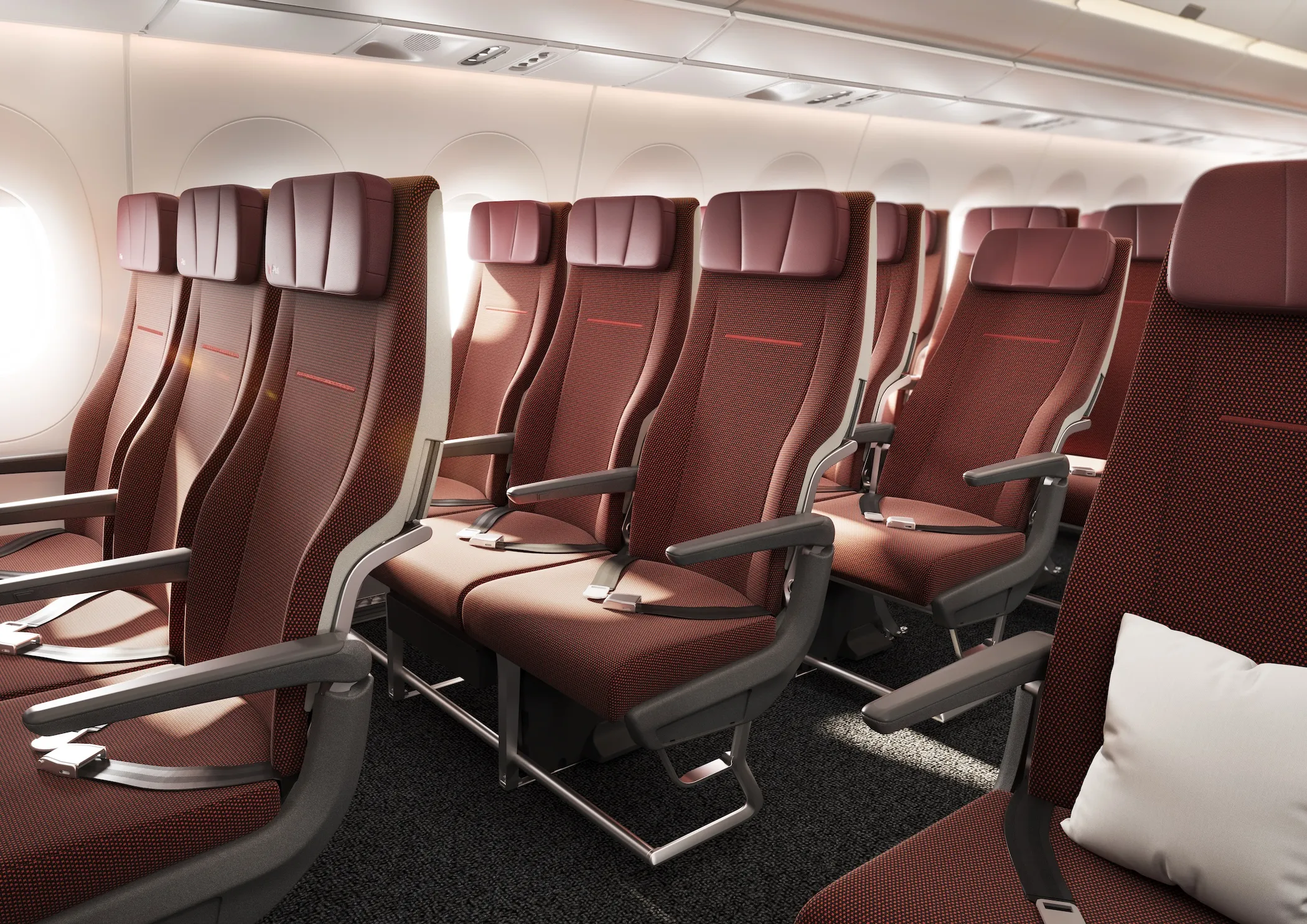
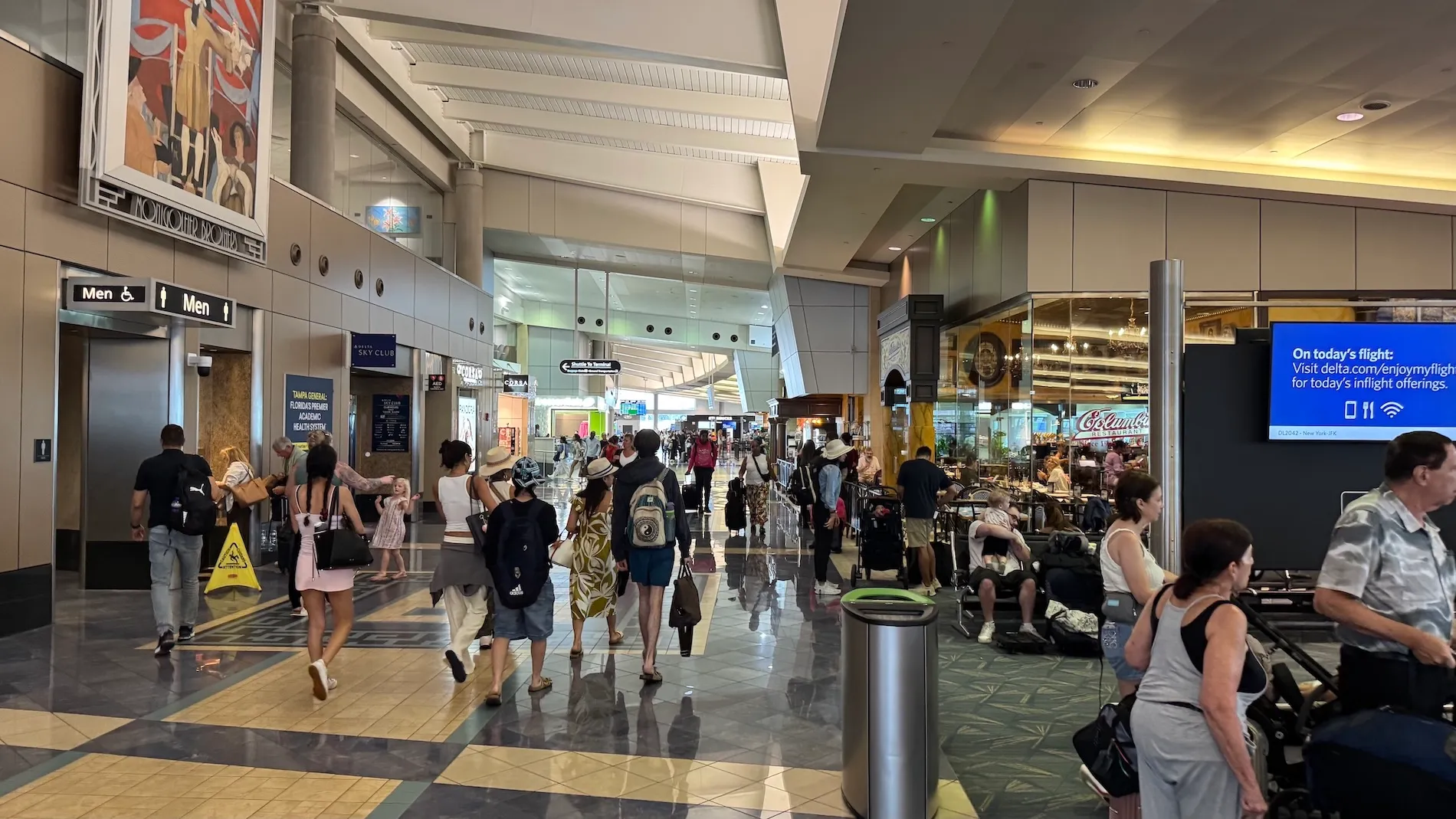
NEW YORK — Somewhere above the East Coast, on Delta Air Lines (DL) flight DL2042 from Tampa International Airport (TPA) to New York John F. Kennedy International Airport (JFK), I am writing this from the free Wi-Fi aboard a Boeing 737-900ER.
It is the Fourth of July, and not just any Fourth of July. Today marks 250 years since the United States declared its independence. At TPA, TSA agents pulled double duty at the main security checkpoint and again at boarding, while Ed Bastian greeted us from the seat-back screen.
From the gate to the Boeing 737-900ER, travelers seemed to share a distinctly joyous mood. I find myself thinking of the young couple seated beside me on our flight, bound for New York City to begin a new chapter in what many still regard as the capital of the world. That was us two years ago.
There are many ways to measure a country’s ambitions. Its art, its cities, its institutions, its capacity to invent, recover, and begin again. For those of us who work in aviation, there may be no clearer expression of that ambition than the simple fact that millions of people can wake up in one American city, visit family in another, and return home before the day is over.
That remains extraordinary.
A brief on American-borne Aviation
American aviation began with the Wright brothers, whose first powered flight at Kitty Hawk in 1903 changed not only transportation but humanity’s sense of distance itself. In the decades that followed, the United States helped turn a fragile experiment into an industry: through Boeing and Douglas, through Pratt & Whitney and GE, through airports, air traffic control, engineering schools, maintenance hangars, and generations of pilots, mechanics, dispatchers, cabin crew, and ground workers.
By the Jet Age, American airlines had become symbols of a world opening up. Pan Am connected continents. TWA and Eastern gave glamour to the idea of flying. United (UA), American (AA), Delta, Northwest, Continental, and others built networks that made air travel part of ordinary American life. The Boeing 707 helped make the world smaller; the 747 made it feel accessible on a scale that had once seemed impossible.

Then came deregulation in 1978, and with it a more competitive, often turbulent aviation industry. Fares fell. New airlines emerged. The low-cost model changed expectations and made flying attainable for people who had once viewed it as an occasional luxury.
Southwest proved that a different kind of airline could reshape an entire market. JetBlue (B6), the recently gone Spirit, Frontier (F9), Allegiant (G4), and others continued that argument in their own ways.
American aviation has not been defined only by its triumphs. It has also been tested, repeatedly.

After September 11, 2001, the country watched commercial aviation stop almost completely. The recovery was painful, emotional, and operationally immense. Two decades later, the pandemic brought another near-unimaginable collapse, emptying terminals and grounding fleets around the world.
Yet the system returned: altered, imperfect, sometimes strained, but alive. That resilience is part of the story.
Celebrating American Aviation at 250
Today, the United States remains the world’s largest air travel market, sustained by a network so vast that it can be easy to take for granted. Airports such as Atlanta, Dallas/Fort Worth, Denver, Chicago O’Hare, Los Angeles, Charlotte, Miami, Seattle, and New York connect a continental country and, through them, the rest of the world.
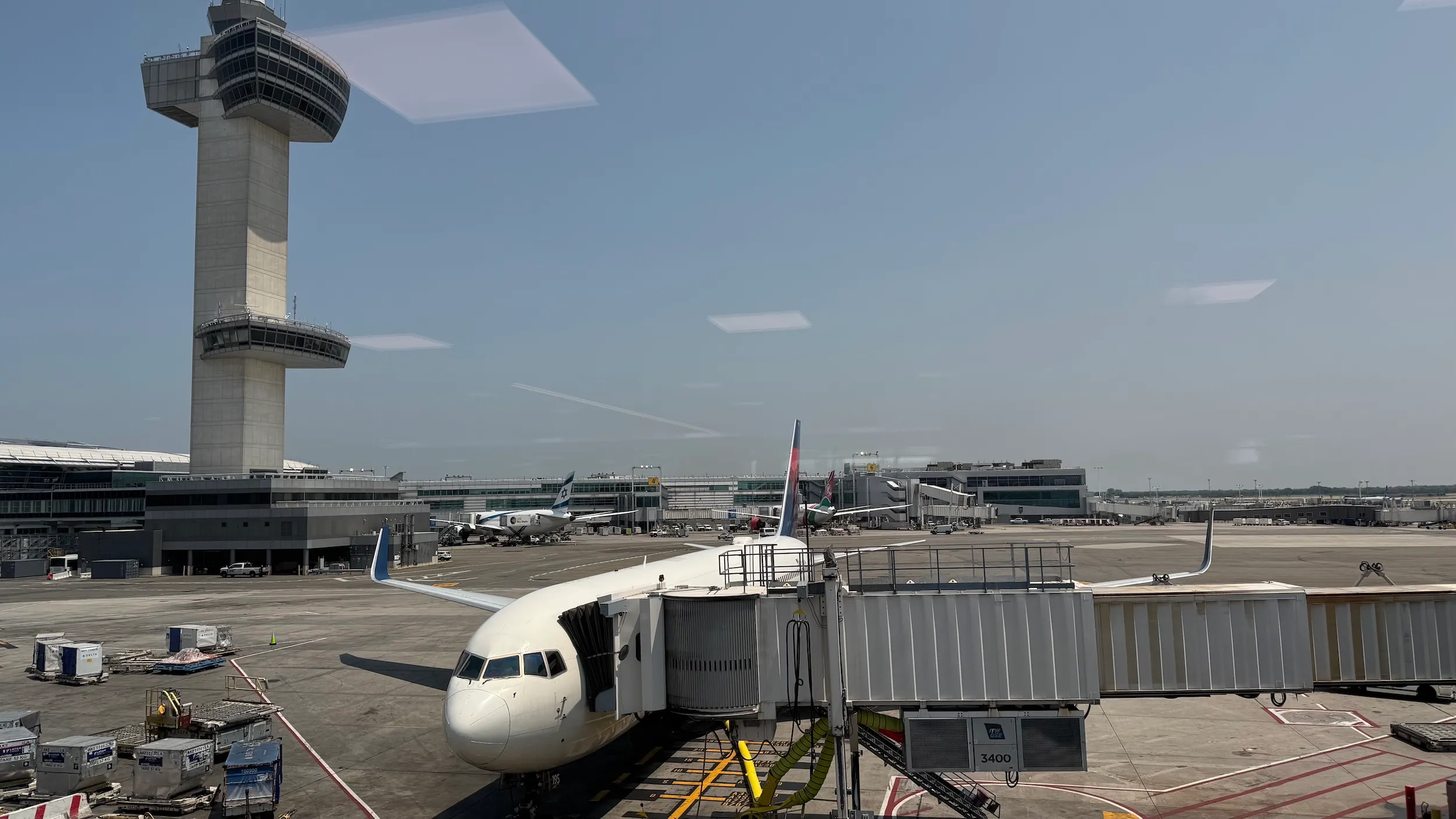
And sometimes the meaning of that system is not found in a record-breaking aircraft order or a new international route. It is found in a more personal moment: leaving Tampa after visiting family, settling into a seat on a Boeing 737—operated by the de facto flagship of U.S. aviation today, opening my laptop at 35,000 feet to write, edit and publish this story, and knowing that New York is only a few hours away.
This is not a small thing. It is the accumulated result of 123 years of aviation innovation, commercial competition, public infrastructure, and human effort.
On America’s 250th birthday, flying home feels like a reminder of what this country can still do at its best: imagine something improbable, build it at scale, survive its failures, and keep moving forward.
"Now, please sit back, relax, and enjoy your flight."
Featured/All images: Helwing Villamizar/Airways


.avif)