

.webp)





DALLAS — The Federal Aviation Administration (FAA) has signed a final rule requiring radio altimeters on aircraft operating in the contiguous United States and Washington, D.C., to meet new interference-tolerance standards, with separate deadlines for airlines and the rest of the affected fleet.
Aircraft operating under Part 121 and larger foreign aircraft operating under Part 129 must comply by Dec. 30, 2030. Most other aircraft already equipped with a radio altimeter, including Part 135 and some general aviation (GA) aircraft, have until Oct. 31, 2034.
The FAA made the signed rule available on July 24, but said the Office of the Federal Register could still make edits before publication. The rule will take effect 60 days after that publication date, which was not available when this draft was prepared.
Which Aircraft Face Each Deadline?
The compliance date depends on the rules governing a flight, not simply whether an aircraft is described as commercial or general aviation.
The later deadline therefore reaches charter and commuter operators, business aviation, rotorcraft external-load operations, air tours, agricultural operations, powered-lift operations, public aircraft, and a minority of GA aircraft. It does not create a universal radio altimeter equipage mandate: the FAA's signed regulatory text says aircraft without a radio altimeter are not affected.
The geographic limit is also important. The performance requirement does not apply to operations conducted only in Alaska, Hawaii, Puerto Rico, other U.S. territories and possessions, or territorial waters. An aircraft based in one of those locations would still need compliant equipment if it operates in the covered airspace.
What the New Standard Addresses
A radio altimeter, also known as a radar altimeter, measures an aircraft's height above terrain and obstacles. That direct height information is distinct from the altitude derived from atmospheric pressure by a barometric altimeter.
Radio altimeters operate in the 4.2–4.4 gigahertz band and feed multiple aircraft safety systems. Those applications include autoland, terrain awareness and warning systems, traffic collision avoidance systems, windshear detection, and rotorcraft automation. Incorrect or missing data is particularly consequential close to the ground and in low visibility.
The Federal Communications Commission's (FCC) July 2026 action makes 160 megahertz of the neighboring 3.98–4.2 gigahertz Upper C-band available for terrestrial wireless use. The FAA said current radio altimeters could receive interference from stronger signals in adjacent spectrum, so compliant systems must reject that interference while continuing to provide accurate height data to pilots and connected safety systems.
This is a new stage of the aviation industry's C-band transition. The FAA says the U.S. airline fleet completed earlier upgrades addressing Lower C-band deployment by September 2023, following operational restrictions and voluntary wireless-company mitigations. However, the agency's current 5G safety history and final rule distinguish those interim measures from the broader performance needed for the Upper C-band.
Airways previously examined how nearby 5G signals can affect radio altimeters and dependent aircraft systems as the first U.S. C-band deployment was unfolding in 2022.
Part 135 and GA Carry a Large Share of the Work
The FAA's civil-fleet analysis counts 58,514 radio altimeter units across 40,730 aircraft. Its underlying table includes 8,119 Part 135 airplanes and rotorcraft carrying 8,926 units across an estimated 1,120 operators.
Part 91 accounts for another 19,451 aircraft and 21,246 units in the FAA estimate. That figure includes domestic and some foreign-registered aircraft, but only a minority of the broader GA fleet carries a radio altimeter. The rule's effect is therefore concentrated among equipped business aircraft, helicopters, and other aircraft whose missions or installed safety systems use radio-altitude data.
The FAA estimates an undiscounted civil-fleet retrofit cost of $4.82 billion to $7.13 billion. Its analysis assumes $80,000 to $120,000 per radio altimeter for airplanes, including installation labor, and $40,000 per unit for rotorcraft. For Part 135 alone, the agency projects $675 million to $970 million in undiscounted costs.
The FCC has established a retrofit rebate program funded by Upper C-band licensees. The FAA's cost analysis treats eligible domestic-operator costs as transfers from wireless bidders, while foreign operators are not covered and could bear the full cost. Owners and operators will still need to check the final FCC eligibility and claims guidance before treating any retrofit expense as reimbursable.
What Happens Between 2030 and 2034?
The longer second window is a significant change from the FAA's January proposal, which contemplated giving the remaining fleet two additional years. After industry comments, the agency extended that interval to nearly four years so manufacturers and installers can prioritize Part 121 and larger Part 129 aircraft first.
That extension does not guarantee unrestricted use of every legacy radio altimeter through 2034. The FAA said it may supersede existing airworthiness directives after Dec. 30, 2030, imposing limitations on aircraft that have not yet reached the later deadline. Those restrictions could affect low-visibility procedures or other operations dependent on reliable radio-altitude data.
After an aircraft's applicable deadline, the new rules prohibit covered operations with a noncompliant radio altimeter unless the FAA administrator authorizes continued operation subject to appropriate limitations. The FAA said it expects that mechanism to address limited, unusual cases rather than become a routine extension.
The immediate next step is publication of the official rule in the Federal Register. From there, operators will need to identify installed units, determine approved modification or replacement paths, secure equipment and maintenance capacity, and document compliance before the deadline governing their operations.
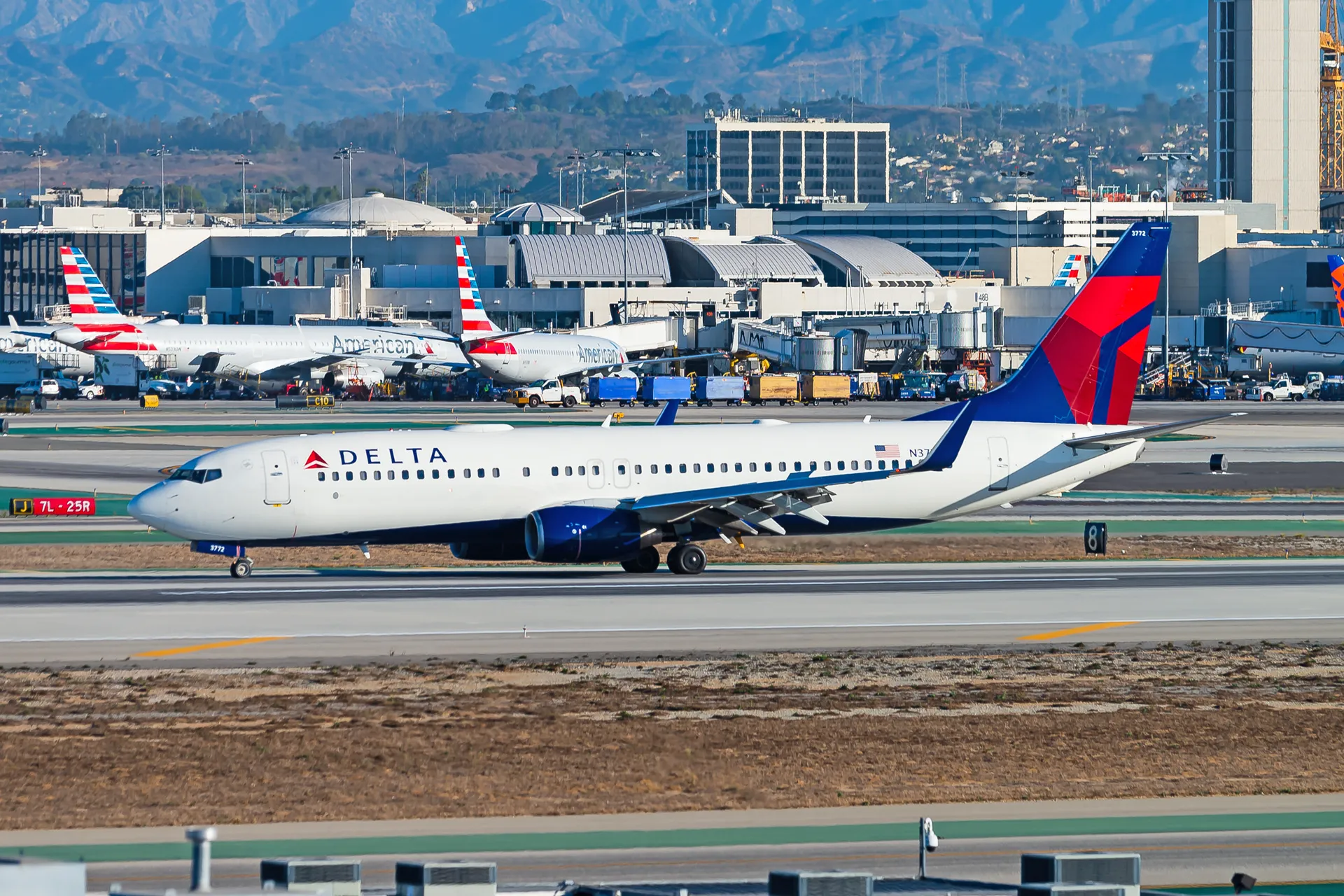
Featured image: Michael Rodeback/Airways




.webp)