





ADDIS ABABA — Ethiopian Airlines (ET) is investigating a cybersecurity incident affecting its ShebaMiles frequent-flyer program after warning members that some customer information may have been affected.
Chief Executive Mesfin Tasew confirmed the investigation to Reuters late on November 18. The airline notified ShebaMiles customers that day, describing the incident as limited in scope and saying it currently had no evidence that financial information had been accessed. Reuters reported that flights were not disrupted.
The financial-data statement does not establish which other records may have been accessed. The reviewed reports do not establish which categories of customer information were accessed or a precise count of affected accounts.
Airline Executive Says Intrusion Is Contained
In a separate report by Addis Fortune, Chief Commercial Officer Lemma Yadecha said the intrusion had been contained and that customer data and miles had not been taken or altered. Those are the airline executive’s assessments while the investigation continues.
Fortune reported that suspicious activity was detected on November 17, after intruders had been in the system for several days, citing Lemma. Its article carries an editor’s note clarifying that an earlier account-count estimate had not been officially confirmed by Ethiopian.
Reuters reported that ShebaMiles had more than 5.38 million members in 2025, citing the airline’s website. That is the size of the program, not the number of accounts affected by this incident.
Loyalty Accounts Hold More Than Payment Details
The program’s published privacy terms say Ethiopian holds member names, addresses, contact numbers, dates of birth, and transaction details covering miles earned and awards redeemed. That inventory describes information held for the program; it does not establish which fields were accessed in the breach.
This makes the inquiry relevant to members even without evidence of access to financial information. Account and identity records are distinct from payment details, and the airline’s financial-data assurance leaves their exposure unresolved.
Fortune also reported that the customer notice urged members to be alert to suspicious or unsolicited communications and promised further updates. Neither the Reuters report nor the notice passages reproduced by Fortune specify whether login credentials were involved or whether members must reset passwords.
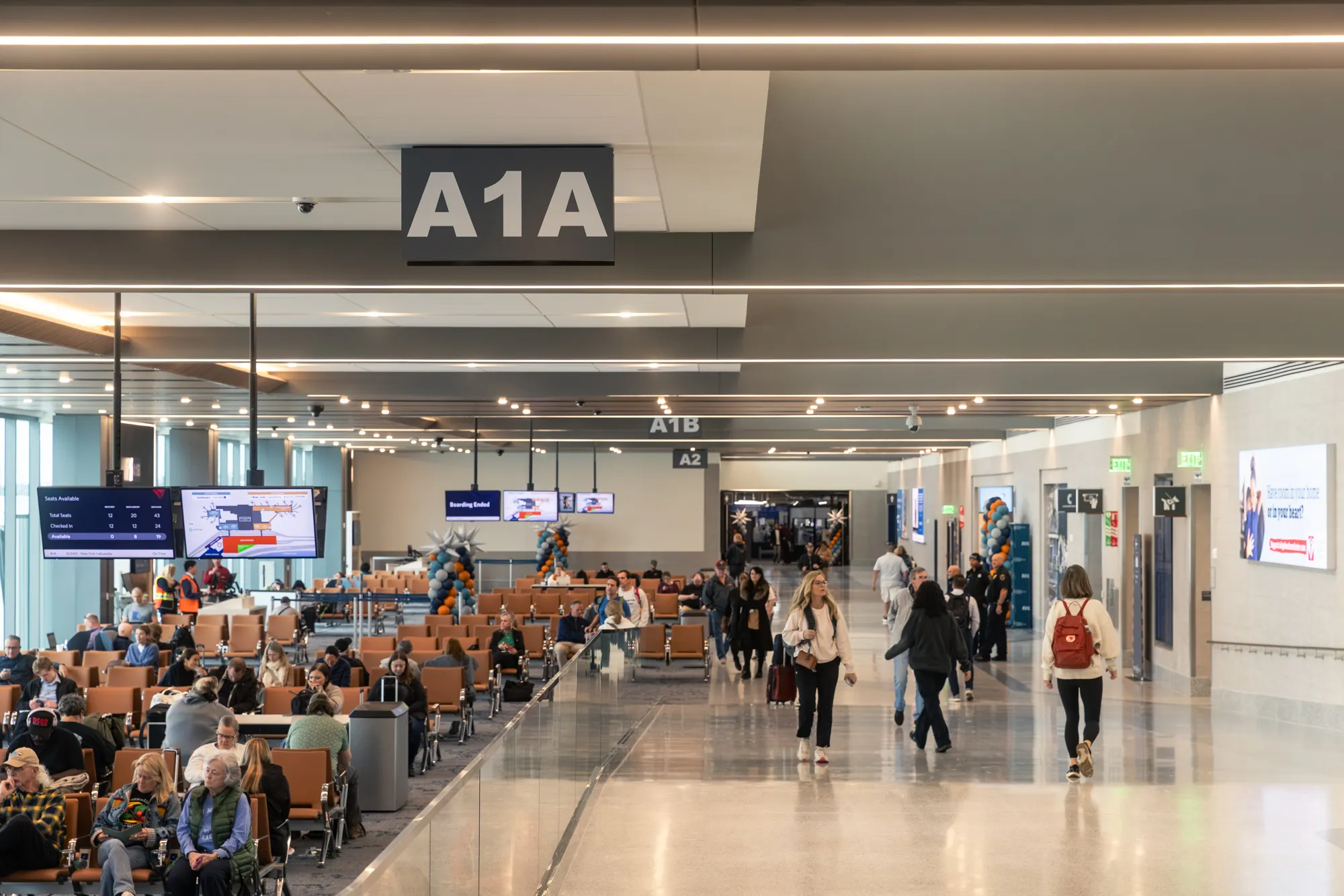
Featured image: Shyam VimalKumar/Airways


