


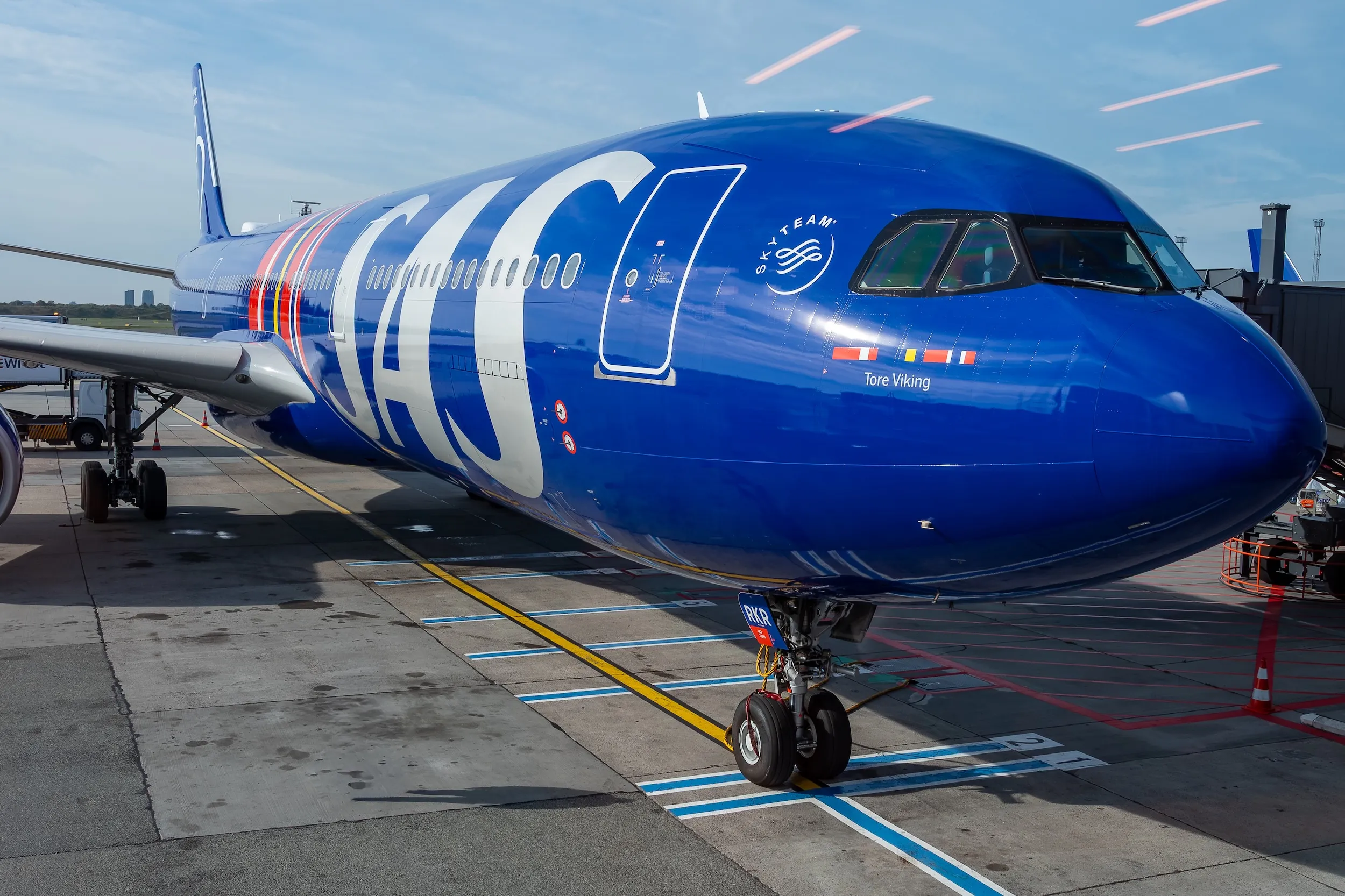
.webp)


DALLAS — As tensions between Israel and Iran surge this June, global aviation is feeling the tremors, directly affecting Dubai, one of the busiest air travel hubs.
Rising regional instability has pushed airlines to cancel flights or reroute services through Dubai, with carriers across North America and Europe adjusting or halting operations. Below, we explore the human angle, airline decisions, and what this means for you.
The catalyst behind these cancellations is clear: escalating military activity involving Israel, Iran, and even U.S. facilities in the Gulf. In recent weeks, Iran responded to U.S. strikes by launching missiles toward Al Udeid Air Base in Qatar. Hearing of explosions in Doha’s lounges, even before media reports confirmed them, has left passengers rattled.
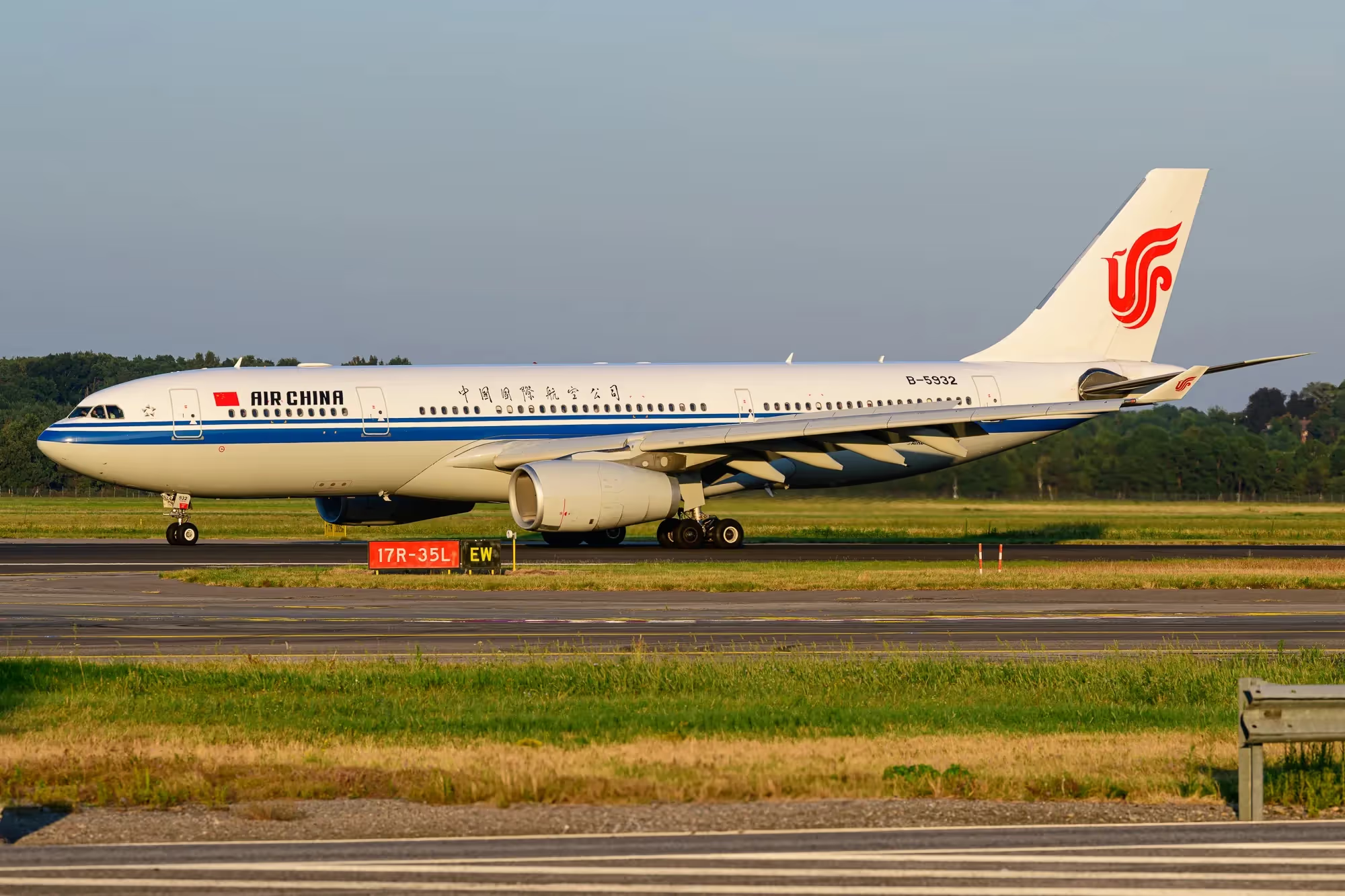
With Qatar, Bahrain, Kuwait, and, for brief periods, the UAE closing airspace, commercial aviation routes through the Gulf have become excessively convoluted. Flights that once flew directly into Dubai now route through Turkey, Saudi Arabia, or Egypt, adding hours to trips, inflating costs, and pushing flight crews to the limit.
US Carriers Step Back
- United Airlines (UA) has suspended its flagship Newark–Dubai nonstop service, citing both safety and evolving insurance constraints. No resumption date has been confirmed yet.
- American Airlines (AA), which relies on links through Doha via Qatar Airways, paused select flights to avoid transit complications and risk.
- Air Canada (AC) halted its daily Toronto–Dubai route, tentatively until early July, advising passengers to monitor updated schedules.
Although Delta (DL) doesn't fly directly to Dubai, its partnerships in Europe, notably with Air France (AF) and KLM (KL), as well as Virgin Atlantic (VS), are indirectly affected, prompting retimed or rerouted services.
European Airline Disruptions
European carriers have also taken significant action:
- British Airways (BA) suspended flights to Dubai and Doha over the weekend of June 22–23, offering flexible rebooking options through July 6.
- Air France (AF)–KLM (KL) cancelled flights to Dubai and Riyadh June 22–23 but continues to reroute via longer paths.
- KLM (KL) grounded Amsterdam–Dubai flights from June 19 to 29.
- Finnair (AY) paused Doha operations amid persistent uncertainty.
- Budget carriers like Wizz Air (W6) and Pegasus (PC), as well as regional airlines such as Air Baltic (BT), have also withdrawn services from conflict zones.
Dubai’s Homegrown Carriers Respond
Even flag carriers from the UAE are reevaluating their networks:
- Emirates (EK) has extended the suspension of flights to Tehran, Baghdad, and Basra until June 30. Meanwhile, services to Amman and Beirut are slowly resuming during daylight hours. Connecting passengers to restricted destinations are being turned away at DXB.
- flydubai (FZ) is keeping flights to Iran, Iraq, Israel, and Syria suspended until at least June 30 while selectively reopening routes to Jordan and Lebanon
- Etihad Airways (EY) (Abu Dhabi) has halted flights to Tel Aviv through mid-July, citing rising volatility.
Insurance, Costs, and Route Chaos
At the heart of these decisions lies war-risk insurance. Premiums for flights passing near military activity have skyrocketed, or coverage has been refused outright. Without insurance, airlines are legally prohibited from flying, regardless of the route's profitability.
On top of everything else, rerouting flights has become a real headache. Trips that once took seven hours are now stretching to nine or more. That’s more fuel burnt, longer shifts for the crew, and, in some cases, planes being pushed close to their limits. When you factor in the cost of compensating frustrated passengers, it’s no surprise that airlines are struggling to keep things running smoothly without incurring significant losses.
What About Passengers?
For travelers, this means unpredictability:
- Stay updated: check airline apps or websites often. Schedules are changing daily at some hubs.
- Expect flexibility: most carriers are offering free changes or full refunds when flights are officially cancelled.
- Travel insurance matters, but read policies carefully; “acts of war” exclusions are increasingly common.
- Be prepared for delays: even unaffected flights may suffer due to congestion, alternate routing, and crew shortages.
This isn't a story in charts and flight numbers; it’s unfolding in real time with worried parents, business travelers stuck abroad, and relief flights transporting evacuees. Reuters reports that one traveler, sitting in Doha’s airport lounge, recalled hearing news of the missile strikes:
“I heard missiles were being sent this way before they even appeared in the news.”
Their confusion and fear are emblematic of a moment when geopolitical fault lines intrude on everyday journeys.
Bottom Line
Flights getting canceled in and out of Dubai might not have surprised some, but for a place that’s usually rock-solid when it comes to air travel, it’s a wake-up call. What’s happening out there isn’t just about politics; airlines are pulling out of routes they’ve flown for years, and UAE carriers and the flying public are paying for it day by day.
If you’re flying anytime soon, this isn’t one of those “book it and forget it” situations. You’ve got to stay on your toes, be flexible, and be ready for things to shift overnight!
Stay tuned and keep following Airways. Follow us on LinkedIn and Instagram for the latest updates as well!
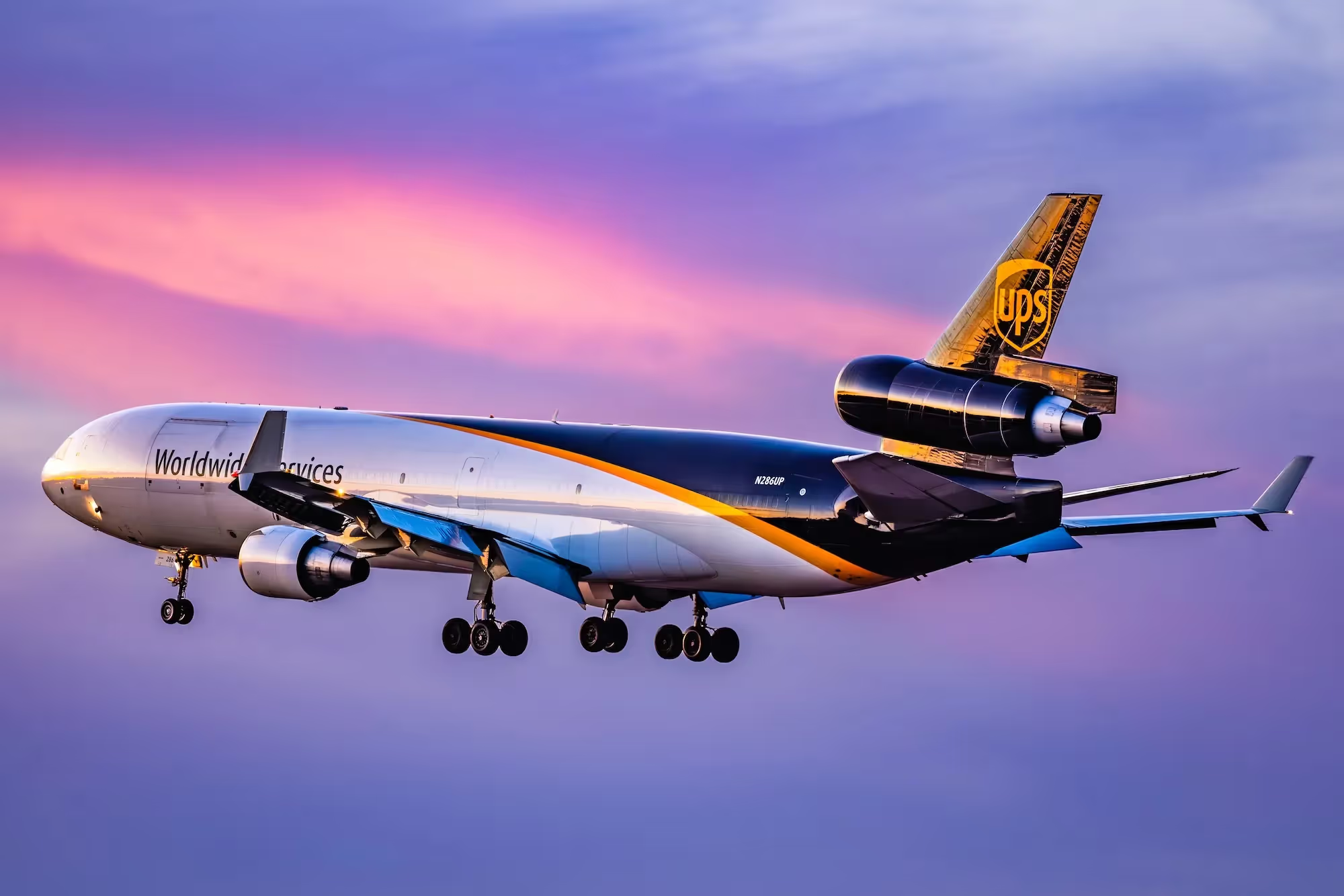
Featured image: Rohan Ramalingam/Airways



.avif)