Cirium Expects Airbus, Boeing Single-Aisle Successors From 2040


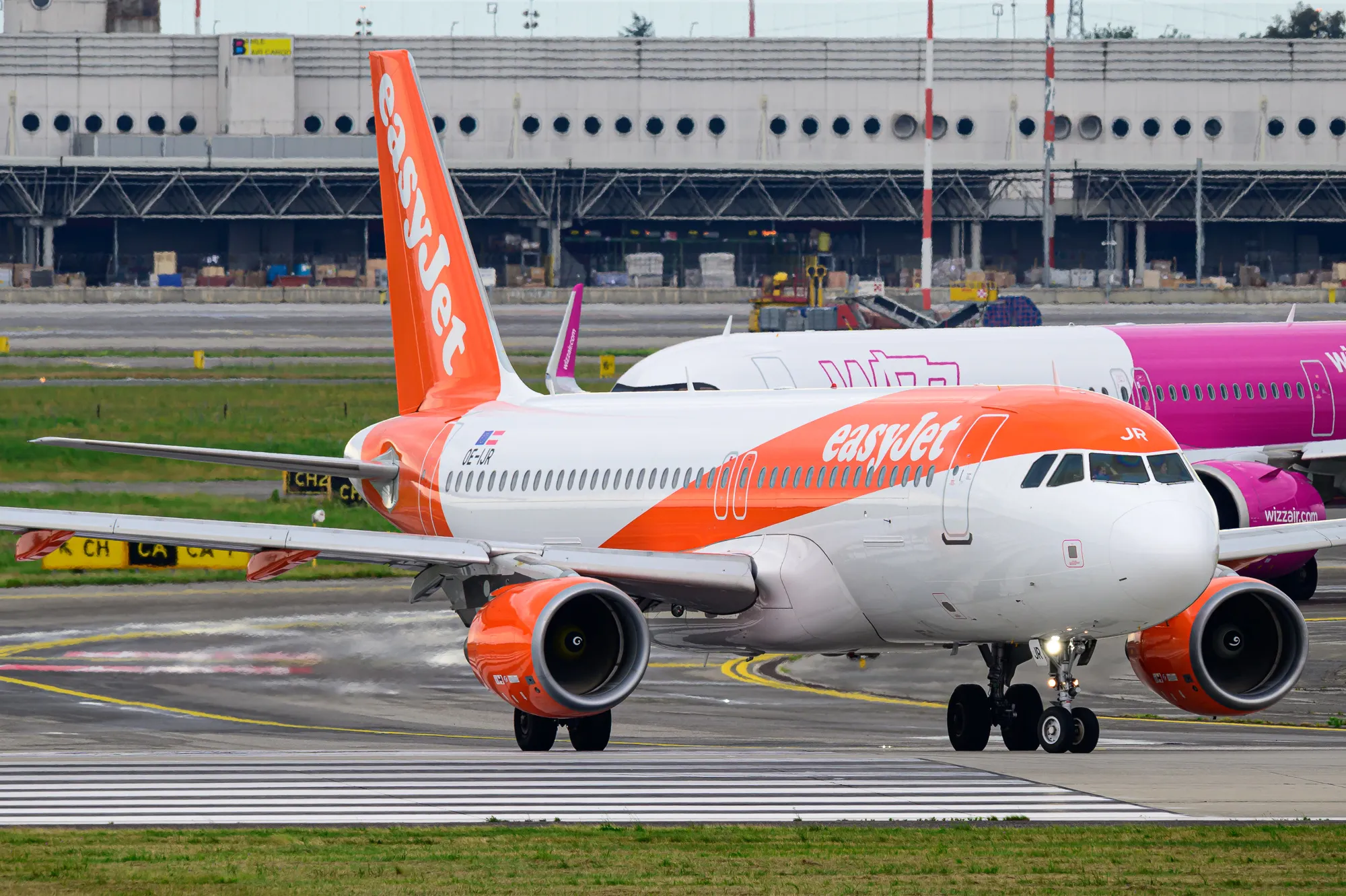
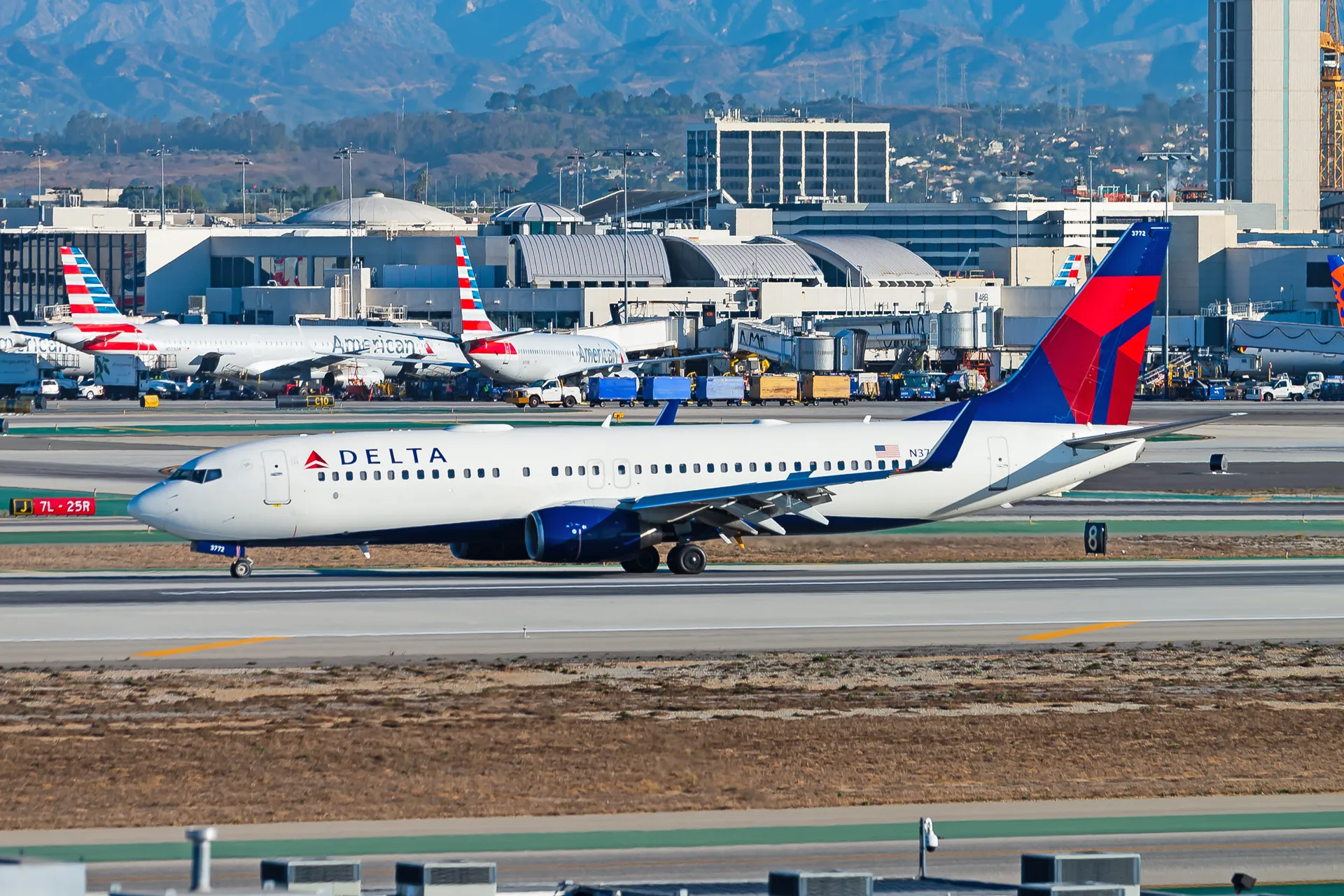
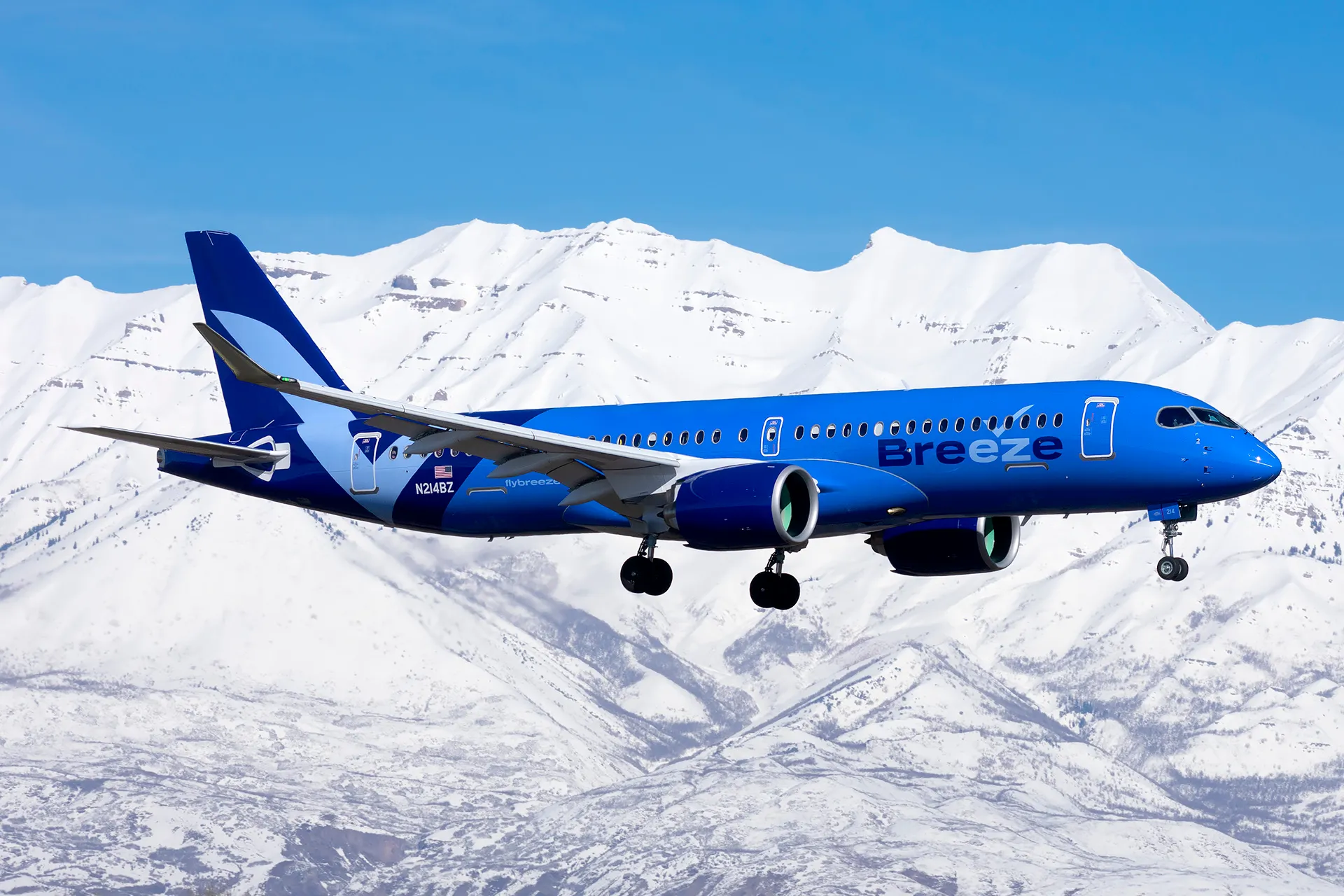

LONDON — Cirium expects the next generation of Airbus and Boeing single-aisle aircraft to start arriving from 2040, leaving the A320neo family and 737 MAX central to airline fleets for most of its 20-year outlook.
The date is a modeling assumption in Cirium's 2026–2045 Fleet Forecast. Presenting the outlook to journalists, Guillermo Ochovo, Cirium's head of market analysis, said delivery delays and engine availability were extending the transition between aircraft generations and keeping older aircraft in service.
Cirium's presentation projects the combined A320neo-family and 737 MAX passenger fleet overtaking the combined A320ceo-family and 737 Next Generation fleet in 2028. The current-generation fleet would continue expanding into the following decade, reaching a peak of about 25,000 aircraft in 2041 as successor types begin to enter the fleet.
The briefing adds detail to the 43,000 new commercial aircraft deliveries through 2045 covered in Airways' earlier report. Cirium's October 13 forecast release values those passenger and factory-built freighter deliveries at US$3.2 trillion in 2026 dollars and expects the supply-demand mismatch to persist through the rest of the 2020s.
Aircraft Retirements Move Later
Ochovo said Cirium expects average retirement ages of around 24 years for narrowbodies and almost 23 years for widebodies during the period of constrained deliveries. He compared those with historical averages of about 22 years and 20.5 years, respectively.
Cirium described the increase as temporary. Retirement ages should eventually move back toward their historical averages as the imbalance between aircraft demand and supply eases, the consultancy said.
Keeping an aircraft flying for longer also keeps its maintenance requirements in the market. Ochovo said the forecast supports continued demand for spare parts and maintenance, alongside values for midlife and older aircraft. Engine repair capacity affects how much of an airline's fleet can actually operate, a constraint examined in Airways' coverage of Pratt & Whitney's geared turbofan recovery.
Asked about relatively young aircraft being dismantled for engines and usable parts, Cirium consultant Thomas Sweeney said the forecast treats that activity as a response to the current shortage rather than a retirement pattern that will persist throughout the next 20 years. He said the financial returns from dismantling a new aircraft type tend to diminish as more examples are broken up.
The distinction matters for fleet planning: profitable early dismantling of a few aircraft does not, in Cirium's model, imply shorter economic lives for the wider fleet.
Growth Still Requires Replacement Aircraft
Cirium expects the passenger fleet to expand from about 26,700 aircraft to around 50,200 in 2045, an increase of 88%. Ochovo put the passenger delivery requirement at 42,375 aircraft, with approximately 55% supporting growth and 45% replacing aircraft leaving passenger service.
About 7,800 aircraft from the starting passenger fleet would still carry passengers in 2045. Longer service lives therefore reduce the immediate replacement requirement without removing the need for new aircraft over the forecast period.
The briefing also disclosed that Cirium's model includes a stretched A220 as an assumption about how Airbus's product range could evolve.
Conversions Supply Most Freighter Additions
Aircraft leaving passenger service also supply the cargo market. Cirium's presentation forecasts the dedicated freighter fleet growing 64%, from 2,369 aircraft in 2025 to 3,879 in 2045.
Reaching that total requires 3,029 freighter additions: 2,282 passenger-to-freighter conversions and 747 factory-built aircraft. Conversions account for about three-quarters of additions during the period, while 850 aircraft from the starting freighter fleet remain in service at its end.
Those additions cover both replacement and expansion. Cirium allocates 1,519 to replacing departing freighters and 1,510 to fleet growth. The conversion forecast gives passenger aircraft a second commercial life even after they stop carrying travelers.
Featured image: Simone Chellini/Airways