




On this day in 2003, British Airways (BA) Concorde G-BOAD made its final flight from London Heathrow Airport (LHR) to John F. Kennedy International Airport (JFK) in New York. The aircraft was heading for preservation at the Intrepid Museum.
After arriving at JFK, G-BOAD was transferred by barge to the museum, according to Heritage Concorde's aircraft history. The Intrepid Museum identifies the aircraft as Alpha Delta and says it is on loan from British Airways.
By then, BA's scheduled Concorde service had ended. The airline's retirement account identifies BA002, operated by G-BOAG from New York to Heathrow on October 24, 2003, as its final scheduled commercial Concorde flight.
The last flight by any Concorde came later: G-BOAF flew to Filton on November 26, 2003, where the aircraft is preserved at Aerospace Bristol. November 10 marks G-BOAD's own farewell to the air.
Supersonic Passenger Service
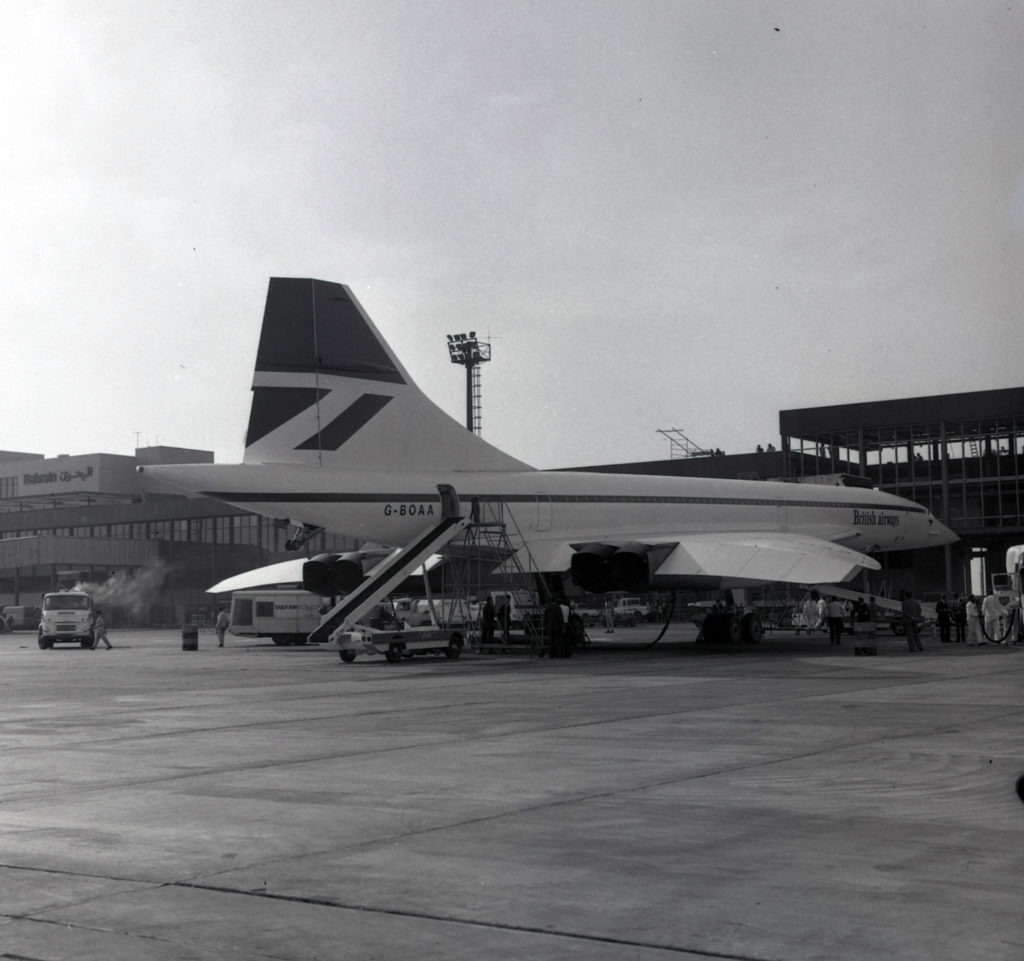
British Airways began commercial Concorde operations on January 21, 1976, with flight BA300 from Heathrow to Bahrain. Its aircraft seated 100 passengers, with 40 seats in the forward cabin and 60 in the rear.
The airline says its Concordes made just under 50,000 flights and carried more than 2.5 million passengers supersonically. A typical London–New York crossing took a little less than three and a half hours.
G-BOAD also held a place in Concorde's speed records. The Intrepid Museum's collections policy records its New York–London flight on February 7, 1996, in 2 hours, 52 minutes and 59 seconds, a speed record for passenger airliners.
Engineering for Mach 2
Concorde was an Anglo-French project, with assembly lines at Filton and Toulouse. Aerospace Bristol's history of the program records ten aircraft built at each location and identifies the four Rolls-Royce/SNECMA Olympus 593 engines that powered the type.
Those engines used reheat, adding fuel downstream to provide extra thrust for takeoff and acceleration through the sound barrier. British Airways lists a cruising speed of 1,350mph (2,160kph), or Mach 2, at altitudes up to 60,000 feet (18,288m).
At nearly 204 feet (62m) long, Concorde expanded as its airframe heated during supersonic flight. British Airways says the aircraft stretched by six to ten inches (15–25cm) in flight and used specially developed white paint to help dissipate heat.
Featured image: British Airways Concorde G-BOAD.

Featured image: British Airways Concorde G-BOAD at London Heathrow, May 15, 2003. Photo: Aero Icarus/CC BY-SA 2.0 (https://creativecommons.org/licenses/by-sa/2.0/). Restored version via Wikimedia Commons.


