

.webp)
ARLINGTON, VIRGINIA — Boeing has named Doug Ackerman to lead a review of its aircraft certification processes, with preparations for its next airliner in view, according to an October 1 report by FlightGlobal.
The publication identifies Ackerman as Boeing's vice president of quality and reports that Chief Executive Kelly Ortberg wants him to help “shape a future-state certification model.”
Ackerman's background includes engineering and certification work. A Boeing biography filed with the National Transportation Safety Board says he joined the company in 1990 and previously served as the 777 airplane-level integration chief engineer, overseeing organizations responsible for aircraft safety, certification, and performance.
Approval Work Continues on the 737-10 and 777-9
The review comes as the 737-10 faces another delay. Federal Aviation Administration (FAA) Administrator Bryan Bedford said September 28 that the agency would hold off certification until a software issue is resolved, Reuters reported. He did not give a revised approval date.
In its September 29 coverage of the certification delay, Airways reported Boeing's explanation that a missed approach followed by a flight-path change can cause automated vertical navigation to revert to a simpler pitch mode. Boeing said crews then need additional steps to use vertical navigation on a subsequent approach.
That development followed Boeing's completion of the 737-10's final planned certification flight in July. The company recorded 976 test flights and more than 2,060 flight hours, then turned to completing development assurance reviews, system safety assessments, and final submissions to the FAA.
For the 777-9, Ortberg described a separate obstacle at the September 16 Morgan Stanley Laguna conference. He said Boeing still needed authorization to begin extended-operations flight testing because an engine mid-seal certification plan remained incomplete. GE Aerospace was doing additional testing, he said, and some aircraft testing could extend into 2027. Boeing was still planning deliveries that year.
Certification Starts Before Flight Testing
The FAA's certification process begins with the Aircraft Certification Service (AIR) defining the project and the standards its design must meet. The manufacturer then proposes how it will show compliance through tests, analyses, inspections, or simulations. Before design approval, the agency verifies that the certification requirements have been met
Thus, flight-test completion leaves other work to close. Boeing's account of the 737-10's system safety assessments describes engineers analyzing potential failures, interactions between systems, and how pilots would respond to erroneous data. Those assessments can run alongside the flight campaign.
Preparing for a Future Airliner
Boeing has previously distinguished technology preparation from a decision to launch a new aircraft. At the March 17 Bank of America Global Industrials conference, Chief Financial Officer Jay Malave said the company was discussing propulsion, materials, and systems technology with suppliers.
Malave said a launch depended on the readiness of the market, the technology, and Boeing itself. He also identified completion of existing certification programs as part of the company's recovery work. FlightGlobal's public preview of Ackerman's assignment gives no launch date for a new airliner or timetable for the review.
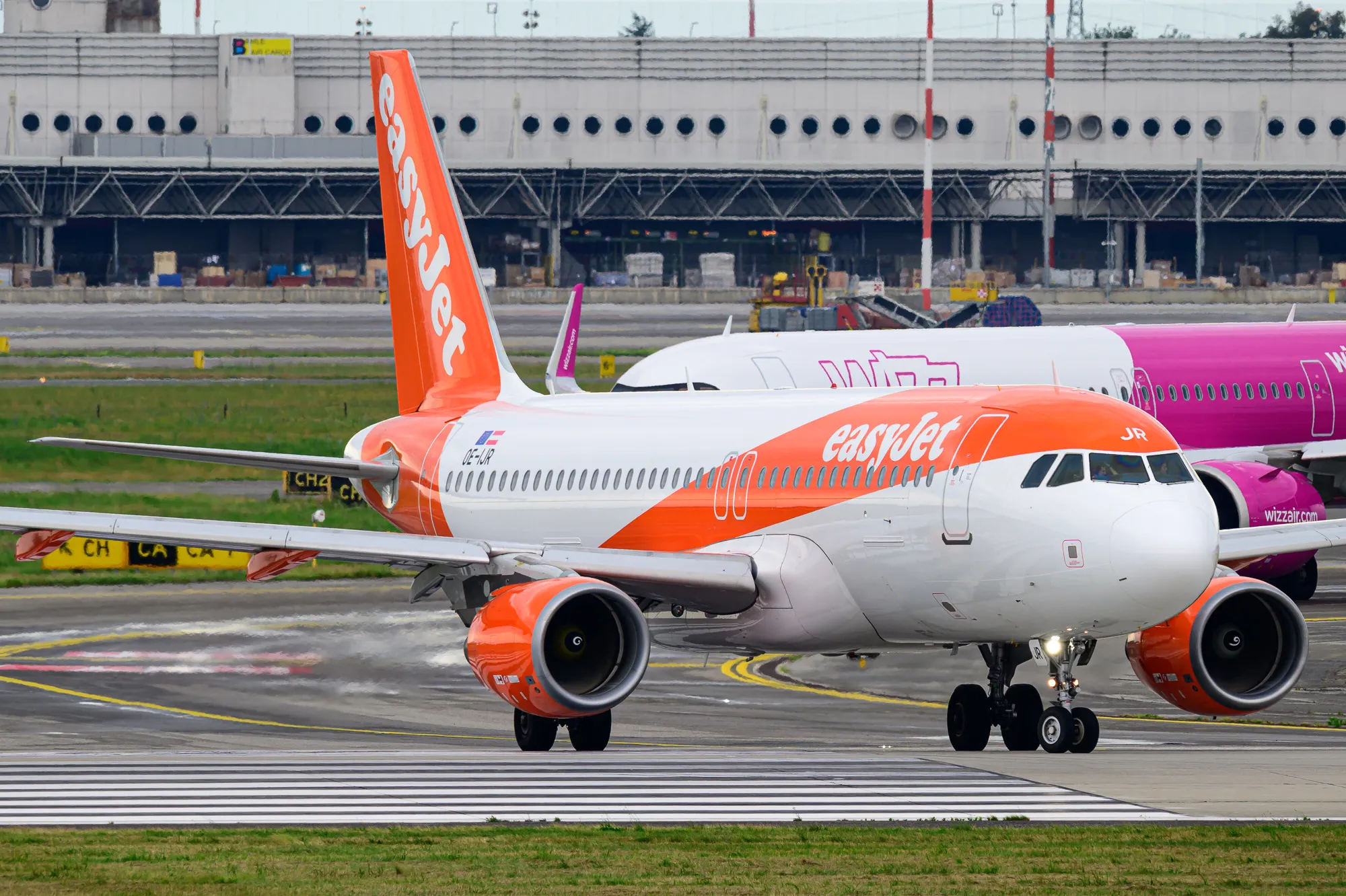
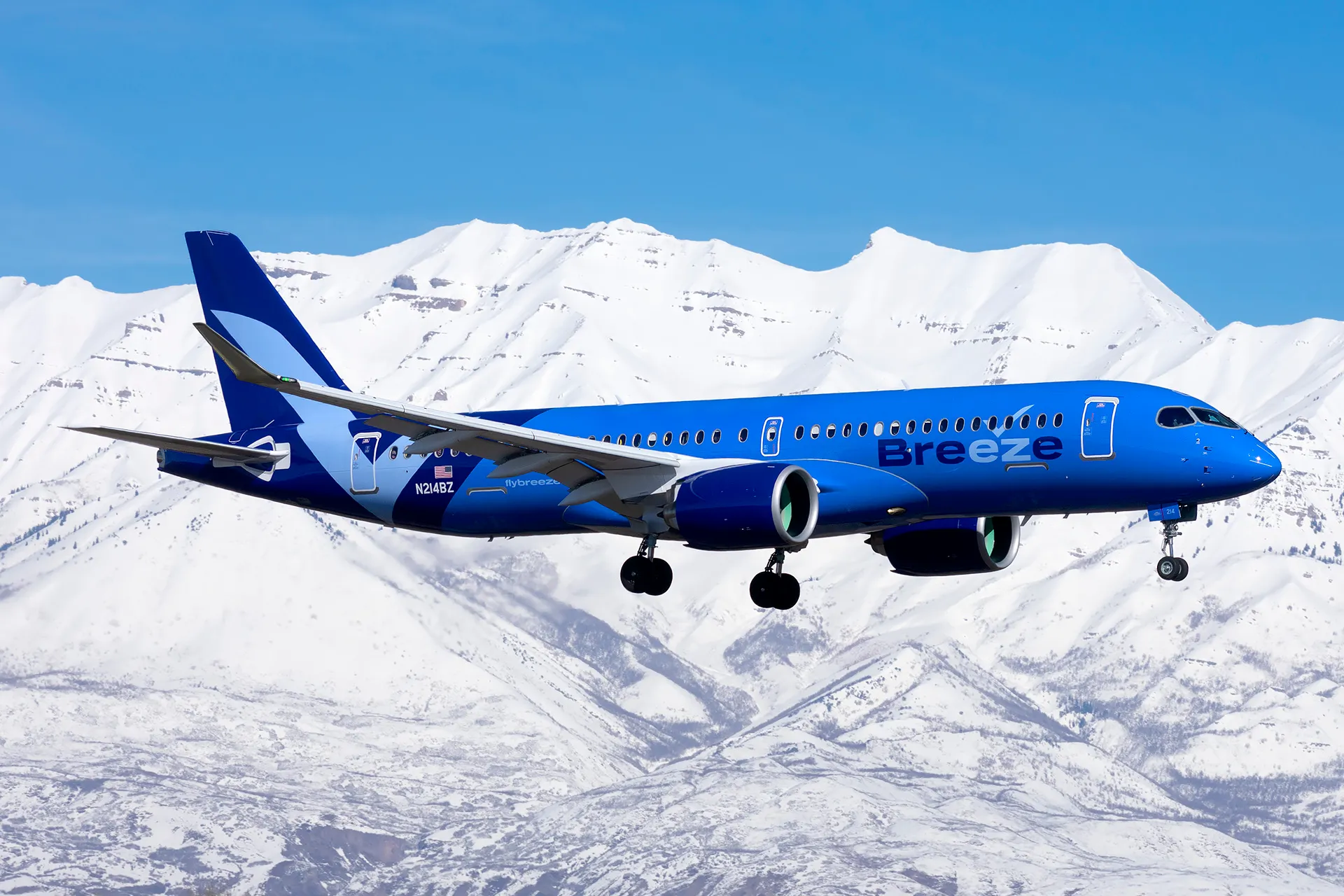
Featured image: Simone Chellini/Airways



.webp)