A Counter-Drone Exercise Put a Bundeswehr Drone 28 Meters Above a Landing Ryanair 737




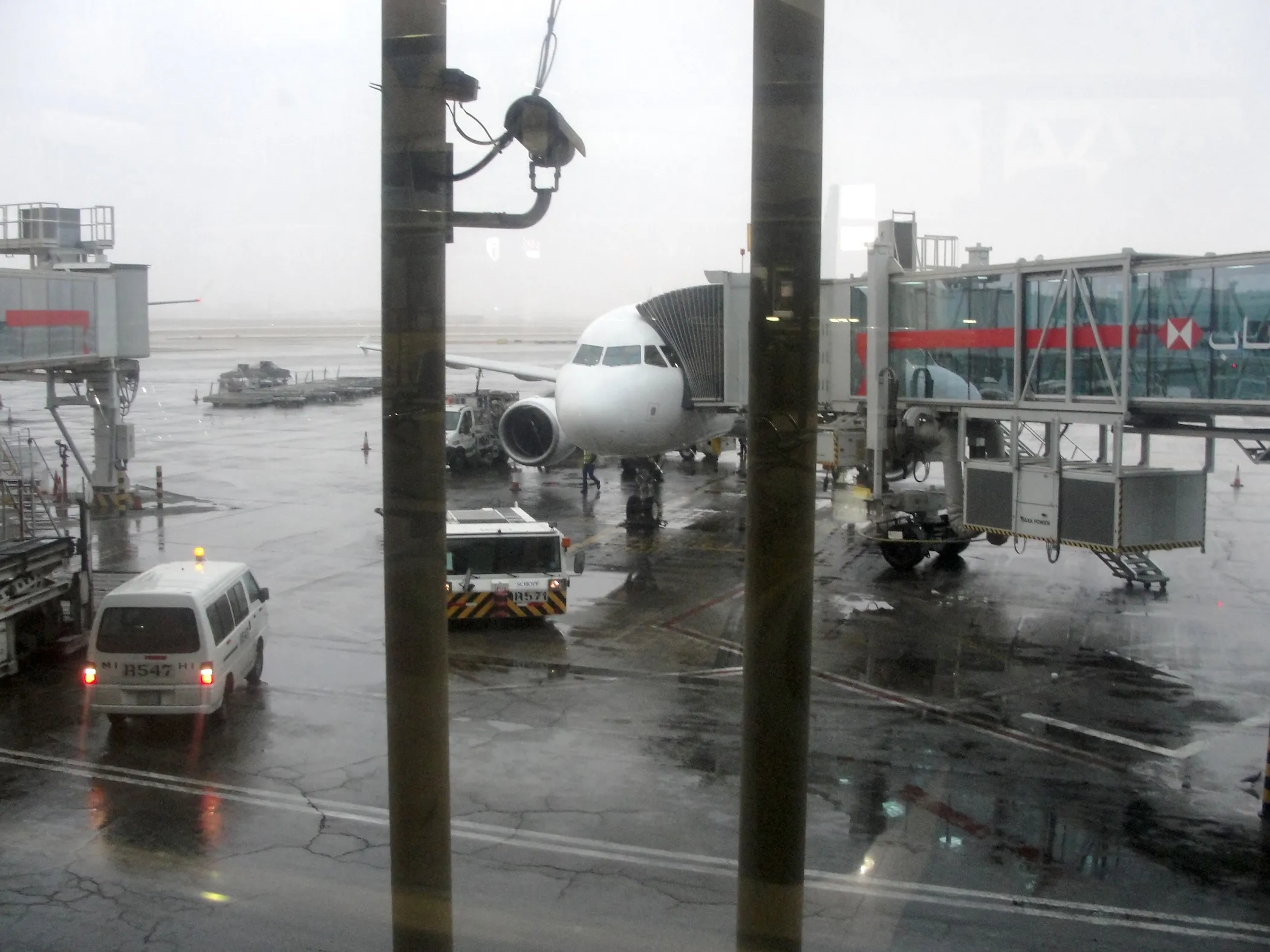
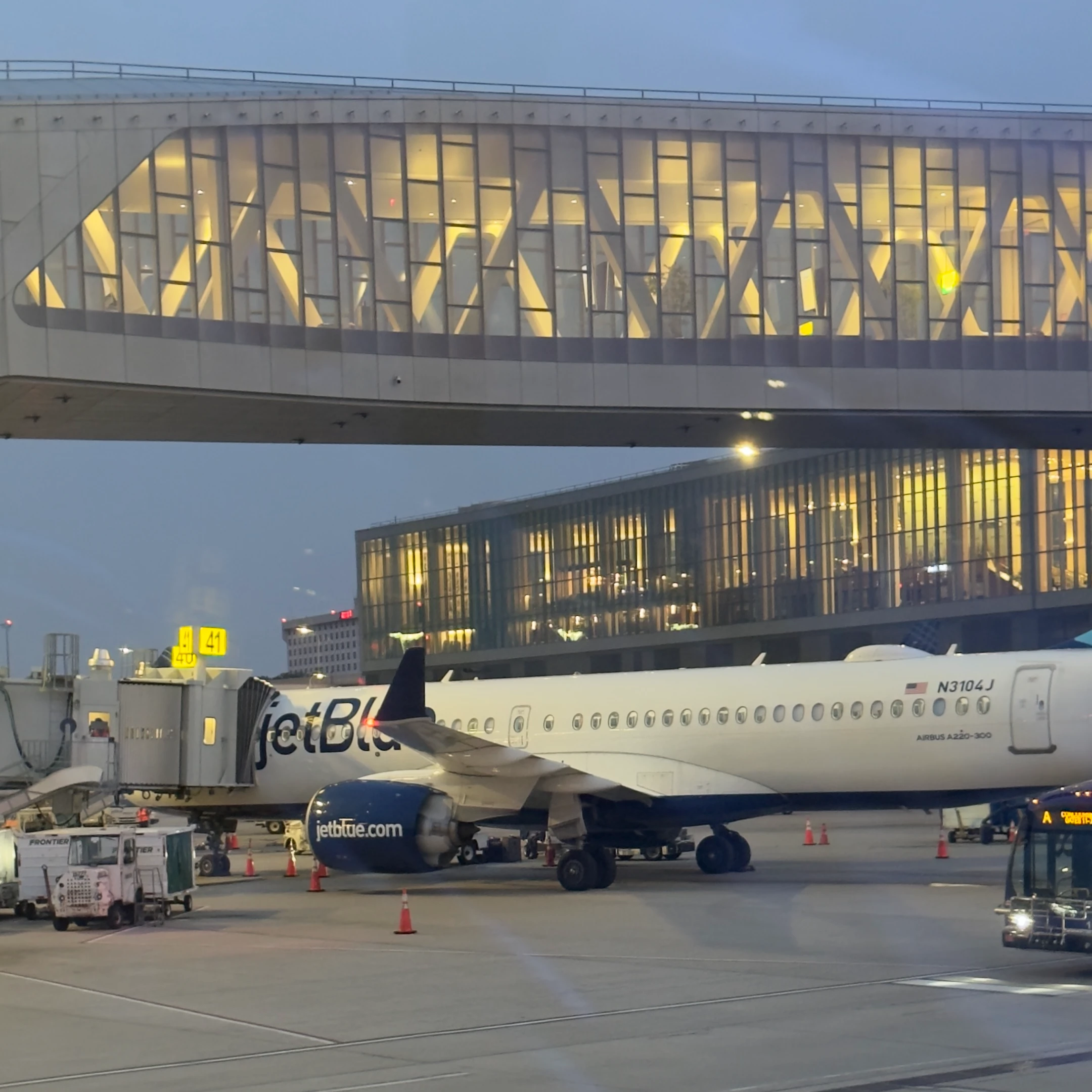
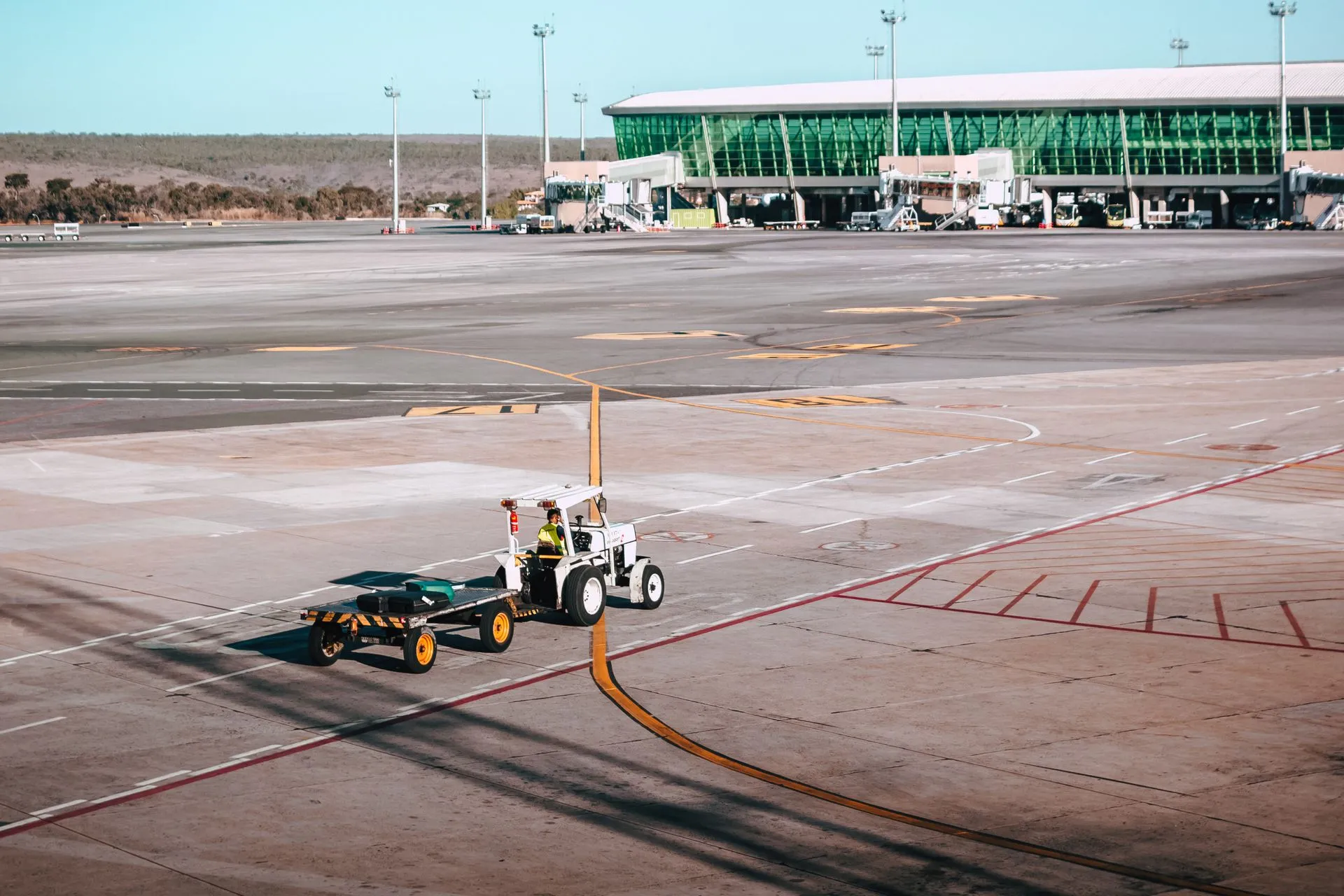
COLOGNE — The Bundeswehr had permission to fly. It had told the tower. It had posted lookouts with radios around the exercise ground, and the exercise leader had asked air traffic control to warn him about rescue helicopters. The one category of traffic nobody had arranged anything about was airline traffic.
At 13:33:13 on February 18, 2026, GPS data recorded a 1.89 kg quadcopter 9 meters (30 ft) horizontally and 28 meters (92 ft) vertically above a Boeing 737-800 landing on runway 06 at Cologne/Bonn Airport (CGN), near the threshold, according to the interim report Germany's Federal Bureau of Aircraft Accident Investigation has published into the occurrence.
The drone was in the air so that soldiers could be trained to detect and defeat drones.
Nine Meters Horizontally, 28 Meters Vertically
The BFU classifies the occurrence as a serious incident, file BFU26-0136-EX. Nobody was hurt, neither aircraft was damaged, and the 737 landed on runway 06.
The separation figures come from analysis of the recorded GPS flight paths of both aircraft, and the report gives them to the second: 13:33:13 local time, 12:33:13 UTC. The unmanned aircraft was the higher of the two.
Conditions were good. The 13:20 METAR gave visibility over 10km, wind from 110° at 6 knots, few clouds above 2,800 ft AGL and a temperature of 5°C (41°F). It was daylight.
The 737 was where it was supposed to be. Recorded ADS-B data show its vertical profile followed the published minimum altitudes down to the landing, and the operator told investigators the aircraft was under radar vectors with heading and altitude instructions, flying published waypoints, on an IFR clearance.
A Counter-Drone Exercise Inside the Control Zone
The Bundeswehr was flying that day to train operators of RaDIS, a Radio Detektion und Intervention System. Germany has been building this capability quickly. The Chief of Defence, General Carsten Breuer, ordered the armed forces to raise dedicated counter-drone units, and the Luftwaffe commissioned a rapid reaction element for the task in April 2025, and the Bundeswehr reported it operational five months later. RaDIS is one of the systems that element uses.
The flights took place inside the Köln-Wahn air force barracks, which sits within the Cologne/Bonn control zone. DFS Deutsche Flugsicherung, the air navigation service provider, approved them on January 19, 2026. The report anonymizes the provider throughout, but its footnotes cite DFS's website, the transport ministry MapTool it points to, and DFS's own online form for drone flights inside control zones as that provider's.
At 12:06 the exercise leader telephoned the aerodrome traffic coordinator in the tower to announce the training, and the coordinator confirmed it. In the same call the exercise leader asked to be warned about arriving and departing rescue helicopters. That was confirmed too.
The briefing followed at 12:30. The exercise leader had positioned several lookouts with radios on the ground, whose job was to tell him when helicopters were coming or going so he could warn the remote pilot to land immediately. Every mitigation he built was pointed at helicopters.
Flying began at 13:00 with a different unmanned aircraft. At 13:29 the remote pilot launched the Autel Robotics EVO Max 4T involved in the serious incident and flew it into the exercise area at 40 meters (130 ft) above ground.
The Clearance Document Said Nothing About IFR Traffic
While the coordinator was on the phone to the Bundeswehr, the aerodrome controller then on duty opened the drone-ascent clearance in the BNL tool, the software DFS uses to display airspace-use approvals. She found no restriction on IFR traffic in it, and concluded that instrument procedures remained permissible while the UAS operation ran.
She handed over the position shortly afterwards and passed that reading to the controller relieving her. He was told to keep VFR flights away from the area, and that runway 06/24 was available for normal use without restriction.
The 737's approach was announced through the electronic flight data processing system a short time later. It was accepted and worked as standard.
After the landing, when the exercise leader called to report what had happened, the controller phoned his colleague back, confirmed the content of the handover, and opened the clearance document again. He reached the same conclusion she had. He told investigators that restrictions on IFR traffic would normally be mentioned in the clearance document. This one did not mention any.
That is the whole mechanism. Two qualified controllers read the same document and took the same meaning from it, one before the landing and one after it. Airline traffic sits inside neither side's account of what the exercise was to be kept apart from. The exercise leader had asked for warnings about helicopters. The tower's understanding, as the aerodrome controller put it in the phone call afterwards, was that during the training IFR traffic was fully possible and the area needed to be kept clear only of helicopters and VFR traffic.
The Remote Pilot Climbed Away and Watched It Pass
At about 13:31 the remote pilot noticed a passenger aircraft on approach to runway 06 and steered the drone upwards to prevent a collision. He swung its camera down at the same time, and watched the airliner pass beneath him on the screen of his controller.
He broke off the exercise, flew the drone back and landed it. At 13:34 the exercise leader was on the phone to the tower again, reporting the encounter.
The report records no account from the flight crew of the 737 and no crew statement about the event. Its account of avoiding action describes only the remote pilot's climb. The occurrence reached the BFU on March 11, 2026, three weeks after it happened, and it was the UAS operator who reported it.
The exercise did not stop. In the same 13:34 call the two sides agreed to continue, with the tower to say when the runway was needed for IFR traffic. The rest of the day's flying passed without further occurrences.
The Aircraft Was a 2008 Ryanair 737-800
The BFU does not name the airline, the flight or the registration. It records a Boeing 737-8AS, works number 4496 and serial 33626, built in 2008, powered by CFM56-7B26 engines, registered in Ireland and operated by an Irish carrier on commercial passenger service.
The Irish Aviation Authority's register of Irish-registered aircraft carries one match on that serial: EI-DWT, a Boeing 737-8AS registered on January 18, 2008 to Ryanair Designated Activity Company, with CFM56-7B26 engines. The build year, the serial and the engine model all agree with the report.
Aviacionline reported the flight as Ryanair (FR) FR2105, arriving from Alicante (ALC). That identification is not in the BFU document.
One detail is easy to get wrong. The drone was not a military UAV. The BFU calls it a civil unmanned aircraft, flown on a military training mission: an off-the-shelf Autel quadcopter with four folding propellers, a maximum takeoff mass of 1.89 kg (4.2 lb), a white flashing light on top and an ADS-B receiver capable of detecting manned aircraft and putting a warning on the remote controller. The report does not say whether that receiver detected the 737. Under German aviation law, as the BFU notes, an unmanned aircraft counts as an aircraft whenever it is not being flown for sport or recreation.
What Changed on June 1
DFS acted in two stages, neither of which is a regulatory change.
Immediately, it briefed aerodrome controllers on the problem and laid down that Bundeswehr applications for special use of airspace at Cologne/Bonn would carry a prohibition on approaches and departures on runway 06/24.
It then issued a temporary operating instruction, zBAO 02/26, covering UA ascents inside the Köln-Wahn barracks. It took effect on June 1, 2026. The conditions the report reproduces, in Airways' translation, are that there be no approaches or overflights of runway 06; no departures from runway 24; no approaches or overflights of runway 24; no arrivals, departures or overflights of runway 13R/31L; and that VFR and IFR traffic be kept clear of the area covered by the ATC clearance. Helicopters with priority handling may be cleared to enter or transit if all relevant information about the UAS has been passed to them and the remote pilots are told about the helicopter. Any UAS that goes out of control must be reported to the tower without delay. DFS may interrupt drone flights at any time. The tower must be informed when the exercise ends and when every UAS involved has landed.
The report elides the list at both ends, so the instruction may carry conditions the interim report does not reproduce.
The measures work by closing the runway. Runway 06/24 now goes unavailable for arrivals and departures whenever the Bundeswehr flies unmanned aircraft at Köln-Wahn, and the coordination that failed in February no longer rests on a phone call and a document field.
The Same Airport, a Different Drone Problem
Six months later Cologne/Bonn was on the other side of the problem.
Multiple sightings on August 12, 2026 disrupted operations and brought in the federal police, Erftkreis News reported. No landings were possible for about 30 minutes at midday, and flying stopped completely for 17 minutes in the evening. A drone pilot was identified and proceedings opened. The first sighting that day was passed to the federal police by the Bundeswehr, at about 10:53. dpa reported that up to five drones were seen, though police could not say whether it was several or the same one repeatedly, and that two aircraft were diverted.
A week before that, an airport employee at Leipzig/Halle had found a drone carrying an explosive device near the south runway, and counter-terrorism prosecutors in Dresden took over the case. The Bundeswehr's own stated reason for raising the counter-drone units is exactly that threat: drones used against infrastructure outside open conflict.
The February serious incident is the other side of that build-up, and it was nothing like an incursion. Everything about the flight was authorized, notified and flown by qualified people. The hazard came out of the gap between what one side had asked to be protected from and what the other side had written down.
What the Interim Report Does Not Say
An interim report is a factual account. This one contains no findings, no cause and no safety recommendations, and the BFU states that its investigation exists to prevent future occurrences and does not serve to establish blame, liability or claims. The case remains open, listed as in progress, with the entry last updated on August 19, 2026. Ekkehart Schubert is the investigator-in-charge.
Several things are recorded without being connected. The drone carried an ADS-B receiver that can put a warning about manned traffic on the remote controller, and the report does not say whether it did. The exercise resumed by agreement within minutes of the encounter. And the occurrence took three weeks to reach the investigators, reported by the operator whose drone was involved.
The mechanism that failed was not unique to Cologne. Wherever military flying shares an airport with airline traffic, the deconfliction rests on people at each end holding the same understanding of a written approval. At Reagan National in the United States, the NTSB has been examining a loss of separation in which the single input that should have stopped departures during a presidential movement was a phone call that never got through. At Cologne/Bonn the call went through, and the approval it produced left out the one restriction the tower needed to read.
Featured image: Julian Schöpfer/Airways



.avif)